
How to Start a Clothing Store (Step-by-Step Beginner Guide)
sharing is caring :)
Disclaimer: Je’Ana C. curates the Shades of Tatiana product selections. We only recommend products we genuinely love. If you buy something through our affiliate links, we may earn a small commission at no cost to you.
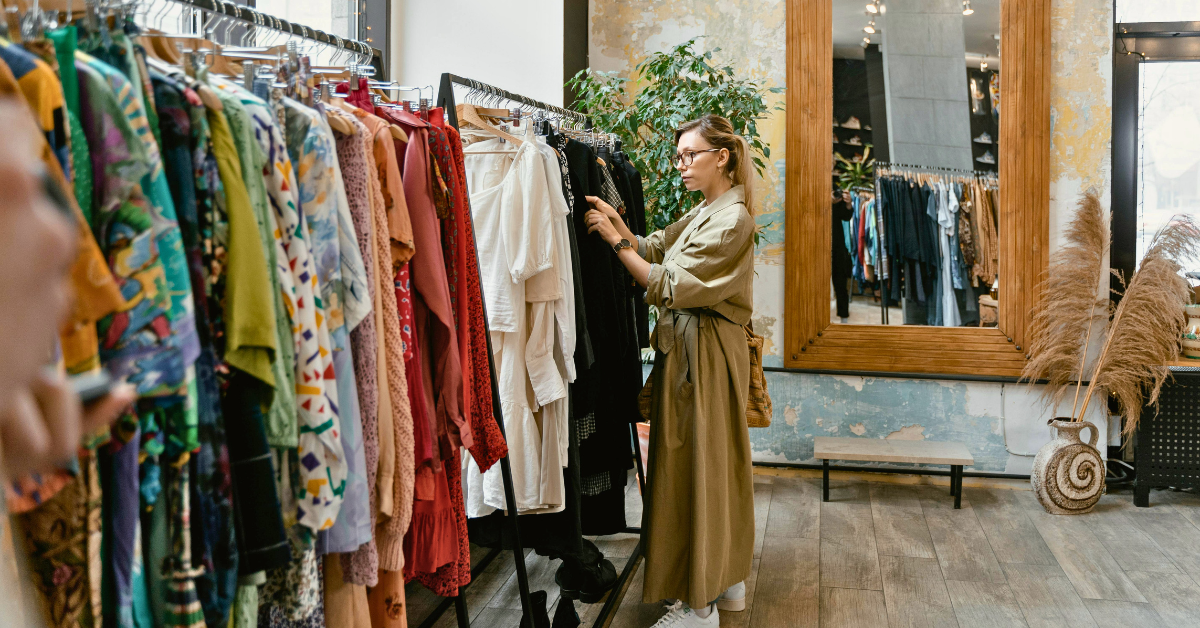
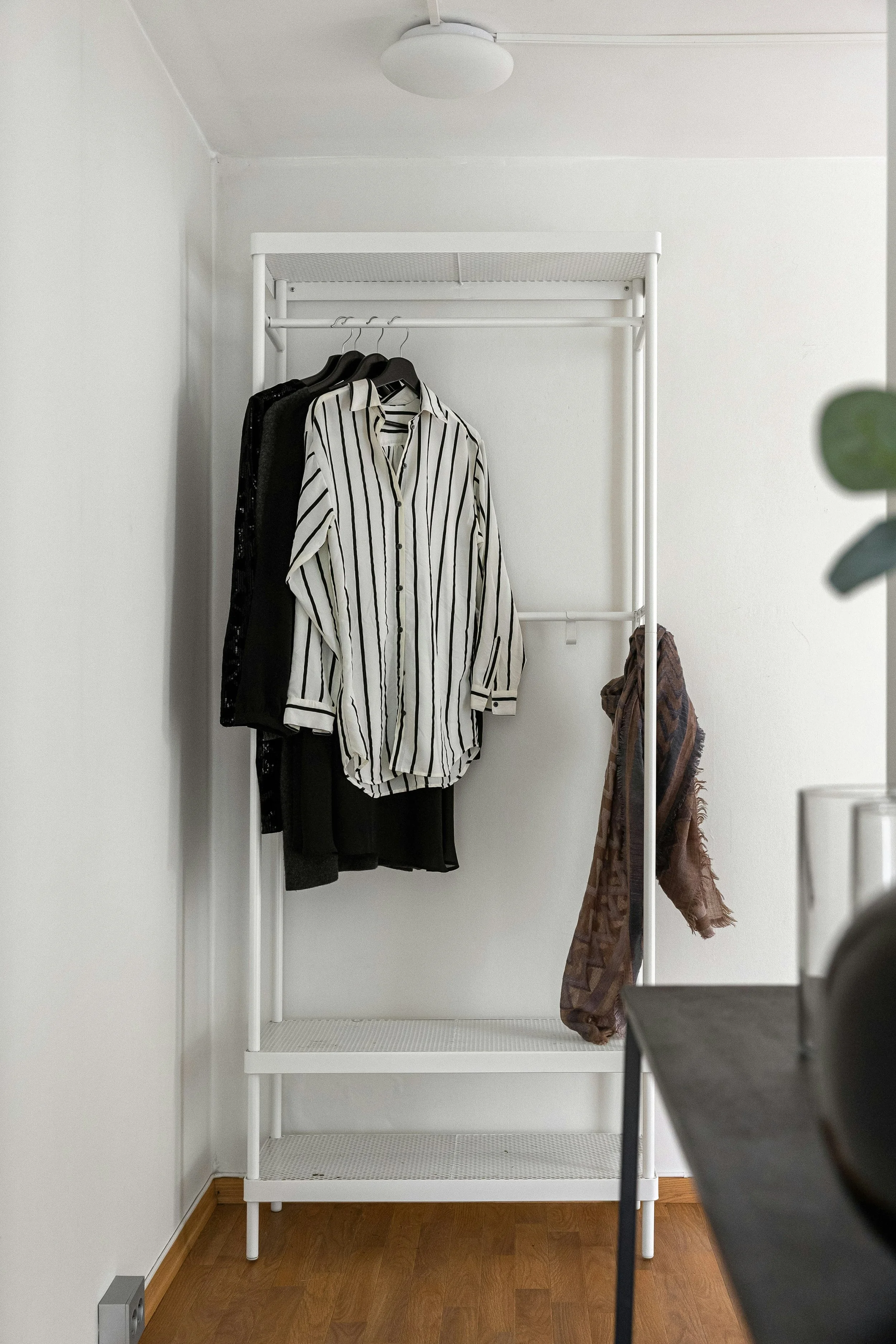
Photo by MART PRODUCTION
If you have an eye for fashion or you’ve spotted a gap in the market that isn’t being served, starting your own clothing store can feel like the perfect next step. Whether you’re dreaming of launching an online boutique, opening a curated storefront, or building a full-scale fashion brand, the opportunities in this industry are endless.
That said, turning your idea into a successful business takes more than just great style. From choosing the right business model to understanding legal requirements and building a strong brand, there are several key pieces you need to have in place before you launch.
Fashion can be incredibly rewarding and profitable when done right. So where do you begin? Let’s break down the essential steps you need to start building your clothing store from the ground up.
RELATED ARTICLE: 9 Effective Ways To Boost Your Business This Year
What Does It Take To Start Your Own Clothing Store?
01) A Business Model
First and foremost, you need to decide how your business will run and how you’ll reach your target audience. Fashion remains one of the most resilient industries, especially for brick-and-mortar stores, if you’re in the right location and market effectively.
However, many entrepreneurs are now choosing online-only ecommerce models or hybrid setups that combine physical and digital experiences. These options can lower startup costs and allow you to reach a wider audience.
That said, physical stores still offer something powerful: an immersive shopping experience paired with personalized customer service. Choosing the right model depends on your goals, budget, and audience preferences.
02) The Right Property
Depending on your business model, you may need a physical space. For retail stores, look for locations with high foot traffic, strong visibility, and an environment that aligns with your brand aesthetic.
Consider factors like:
Rental or ownership costs
Nearby competitors
Target audience accessibility
Overall vibe of the area
If you're running an online store, you might need a warehouse or storage space to manage inventory and shipping. Dropshipping businesses can start from home, but as you grow, you’ll likely need more space to keep operations running smoothly.
03) The Clothes
You can’t run a clothing store without clothes, but how you source them matters. You’ll need to decide whether to:
Create your own clothing line
Source products from suppliers
Manufacturing your own designs gives you full creative control but requires a larger investment, time, and expertise. On the other hand, working with suppliers—such as Italian fashion wholesale providers—can help you quickly stock your store with curated pieces that align with your brand.
Just remember: while sourcing is easier, you’ll need to be intentional about selecting items that align with your identity and stand out in a competitive market.
Many clothing brands start by working with suppliers before eventually transitioning to making their own items. Manufacturing at scale can be much more lucrative than selling someone else’s clothes, though it requires an understanding of how to select the right factory, the importance of marking and coding solutions for batch tracking and traceability, and IP protection. Most entrepreneurs learn those things over time, slowly transitioning from supplier-supplied items to manufacturing their own products.
04) Registering The Business
Before you open your doors, launch your website, and shout to the world that your business is ready to sell some clothes, you have to make sure it can operate legally. For one, think about the suitable structure for your business, whether you want to run a sole proprietorship, a partnership, or a limited liability company. Each has its own advantages in terms of taxes, liability, and administration, with many in the industry opting for an LLC because it offers personal liability protection. You may also need an EIN (Employer Identification Number) for tax purposes if you plan on hiring any workers to help you run the store.
More in Business:




05) Insurance
Just as important, but often overlooked, is your need for insurance. Clothing stores rely heavily on their inventory, meaning issues like theft or damage can threaten their profitability, while the legal costs of potential problems, such as customer injuries, can be an even greater risk. As such, you should make sure that you’re insured against such risks with common options like general liability insurance, product liability insurance, and property insurance. If you have employees, you may also need workers’ compensation coverage.
Insurance policies are complex legal agreements, and policyholders often assume insurers will handle claims in good faith. However, an insurer might act unfairly or improperly, such as unreasonably denying a valid claim or failing to investigate thoroughly. Such actions can lead to an insurer being accused of a bad faith insurance practice, which means they have violated their contractual obligations or state regulations governing fair claims handling. Understanding this concept is crucial for any business relying on its coverage to protect assets and operations. When an insurer fails to uphold its duties, policyholders may have grounds to seek recourse beyond the initial claim denial.
Even small or online-only businesses should consider insurance, since you never know when a product might get lost in shipping. Insurance options vary by business size and risk factors, so working with an insurance broker can help you find what best fits your needs.
06) State And Local Permits
Just as important as registering your business is obtaining the permits and licenses required by your state and local authorities. These may include a general business license, sales tax permit, and zoning approval if you operate a physical store. Requirements vary by location, so it’s important to research the local regulations. If you’re selling online, you might need to review what’s required to operate in specific regions and countries, whether it’s registering for sales tax in certain states or, if you’re selling to European customers, adhering to data laws like the GDPR. Compliance with legal requirements is vital if you don’t want to face fines, delays, or even a shutdown.
07) A Brand
In fashion, your brand is everything.
You’re not just selling clothes—you’re selling a lifestyle, a feeling, and an identity. With so much competition, having a strong, clear brand is what sets you apart.
Think beyond just your logo. Consider:
Your brand story
Target audience
Visual identity (colors, aesthetic, photography)
Messaging across platforms
Whether you’re building a sustainable brand, a trendy boutique, or a luxury label, consistency is key. Working with marketing professionals can also help you refine your voice and connect with your audience more effectively. You can also use high-quality tools to help with this, too. With options like Kling 3.0 (which is relatively easy to access through a cloud-based Kling 3.0 API), you can create videos that highlight your products while meeting your branding standards. They’re more than worth trying.
08) Online Visibility
Once established, or perhaps even as early as possible, it becomes necessary to think about your store’s online presence. Even for local SEO, an online presence can help people find you, especially if your store specializes in a specific niche. Today, digital marketing revolves around more than keywords, and you need to consider SEO, GEO, AEO, PPC, and content marketing. Of course, these are specialist subjects, so it helps to hire a professional web design agency with dedicated teams that can help get your business off the digital ground.
Takeaway
Starting a clothing store involves more than just a love for fashion. It requires thoughtful planning, legal setup, branding, and operational strategy. From choosing your business model to building a strong brand identity, each step plays a role in your long-term success.
While you’ll also need to consider funding, hiring, and creating a detailed business plan, these foundational steps will help you move forward with confidence.
💭 Question for you: If you were to start your own clothing store today, would you go online, open a boutique, or do a mix of both—and why?







Learn how to improve your financial wellness by setting realistic money goals, creating a spending plan, automating savings, evaluating funding options, and building habits for long-term financial security. Small, consistent changes can help you feel more organized, prepared, and confident about your money.