
10 Energy-Efficient Home Upgrades That Lower Your Bills
sharing is caring :)
Disclaimer: Je’Ana C. curates the Shades of Tatiana product selections. We only recommend products we genuinely love. If you buy something through our affiliate links, we may earn a small commission at no cost to you.
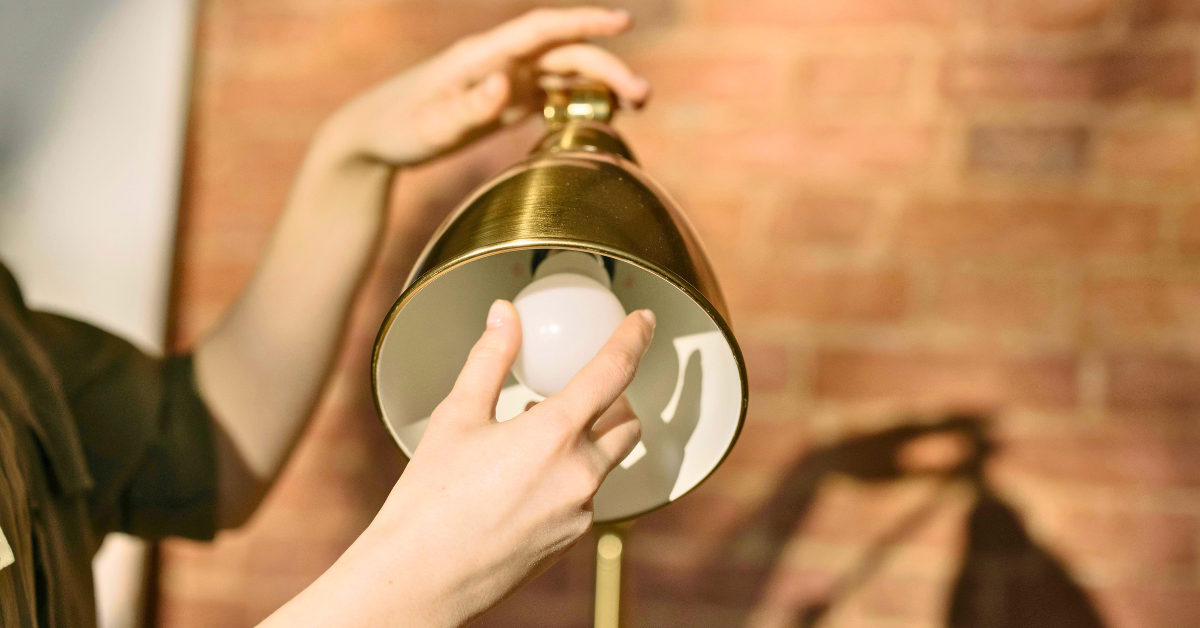
Photo by cottonbro studio
When people think about upgrading their house, they often picture spending more money, not saving it. New furniture, renovations, and decor upgrades can quickly add up, making it feel like improving your space always comes with a high price tag. But what if some of the smartest upgrades actually helped you save money instead?
The reality is, many home improvements are designed to pay you back over time. From lowering your energy bills to reducing maintenance costs and improving overall efficiency, these upgrades work quietly in the background to make your home more affordable to run. And the best part? Many of them also make your space more comfortable, functional, and enjoyable to live in.
If you’ve been looking for ways to cut costs without sacrificing your lifestyle, this list is for you. These 10 upgrades prove that saving money at home doesn’t have to be boring. It can actually be one of the smartest (and most satisfying) investments you make.
RELATED ARTICLE:

Turn your receipts into rewards with Fetch Rewards!
Just scan any receipt, and earn points towards awesome rewards. Use my referral code, 6QH4GK, during signup, and you'll get 2,000 Fetch Points ($2.00 in points!) just for starting.
Save Money at Home with These 10 Simple Upgrades
01) Upgrade your windows for better insulation
If your home feels drafty or your energy bills seem a bit too high, your windows might be the culprit. Older or poorly sealed ones let heat escape in winter and let it sneak in during the summer, which makes your heating and cooling systems work overtime than you'd planned. Upgrading to energy-efficient models helps to regulate indoor temperature, meaning you use less electricity or gas to stay comfortable. There's nothing wrong with upgrading the windows anyway, especially if it's been a while. In time, those monthly savings will add up, and your home will feel cozier.
02) Switch to LED lighting throughout your home
This is one of the easiest upgrades you can make. LED bulbs use a fraction of the energy of traditional bulbs and last significantly longer. That means fewer replacements and lower electricity costs. You don’t even have to switch everything at once—replace bulbs gradually as they burn out, and you’ll still see consistent savings.
03) Install a smart thermostat
A smart thermostat takes the guesswork out of managing your home’s temperature. It learns your habits, automatically adjusts, and lets you control everything from your phone. That means no more heating or cooling an empty home—just efficient energy use based on your routine. It’s a small upgrade that makes a surprisingly big difference on your utility bill.
04) Improve your home's insulation.
We already talked about how windows will help, but good insulation isn't glamorous. It's incredibly effective, though, so whether that's in your attic or your flaws, proper insulation will keep the house at a stable temperature. This will mean less reliance on heating in the winter and air conditioning in the summer. It also makes your house much quieter and more comfortable, which is a very nice bonus, especially if you plan to sell one day.
05) Choose energy-efficient appliances
Modern appliances are designed with efficiency in mind, and you can easily compare them using energy ratings. Older appliances tend to use far more electricity and water than necessary. Upgrading items like your washing machine, dishwasher, or refrigerator can significantly cut your utility bills. While the upfront cost may be higher, the long-term savings—and improved performance—make it worth it.
More in Living:





06) Fix leaks and upgrade plumbing fixtures
A dripping tap might seem harmless, but it wastes more water than you'd expect. Multiply that over weeks and months, and it adds up. Fixing leaks and installing water-efficient fixtures, such as low-flow showerheads and dual-flush toilets, can cut your water bill without changing your daily routine. It's a steady savings that comes with this upgrade.
07) Add solar panels.
If you're in a house and it makes sense, adding solar panels is a great idea. Sure, they are a bigger investment, but they can dramatically reduce or even eliminate your electricity bills over time. In some cases, you can even sell excess energy back to the grid. While it's not the right fit for every home, it's definitely worth consideration if you're planning to stay long term. The savings can be substantial over the years, and that makes sense to have that back in your pocket.
08) Find the gaps.
Tiny gaps around doors and vents in your home, along with baseboards, can let in drafts without you even noticing. These are the small leaks that force your heating and cooling systems to work harder than they need to. It's super simple to seal them with weather stripping or caulk, and it's inexpensive and quick, too, but it can make a noticeable difference in both comfort and energy use.
09) Install ceiling fans for better airflow.
Ceiling fans are not just decorative; they help to circulate air so your home feels cooler in the summer and warmer in the winter. When you improve your airflow, you can rely less on your air conditioning and your heating. Even adjusting the fan direction when the seasons change can help you to get the most out of this simple upgrade.
10) Use landscaping to your advantage.
Your outdoor space can actually help reduce your energy costs. Strategically placed trees and shrubs provide natural shade in the summer and act as windbreaks in the winter. It’s a long-term strategy that blends aesthetics with practical savings—and enhances your home’s overall appeal.
Takeaway
Saving money at home doesn’t have to mean sacrificing comfort or style. Many of these upgrades are simple, affordable, and easy to implement over time.
The key is to think of your home as a system. When everything works together efficiently, you spend less on maintenance. Start with one or two changes, see the difference, and build from there.
Before you know it, your home won’t just look better—it’ll cost less to run, too.
Which of these upgrades are you planning to try first in your home? 👀
Learn how to stay motivated while working toward personal growth goals, even after the initial excitement wears off. From understanding what drives you to building accountability, creating realistic systems, and learning from setbacks, these practical strategies can help you keep making progress when motivation comes and goes.