
Understanding Eye Area Aging (and the Best Ways to Treat It)
sharing is caring :)
Disclaimer: Je’Ana C. curates the Shades of Tatiana product selections. We only recommend products we genuinely love. If you buy something through our affiliate links, we may earn a small commission at no cost to you.

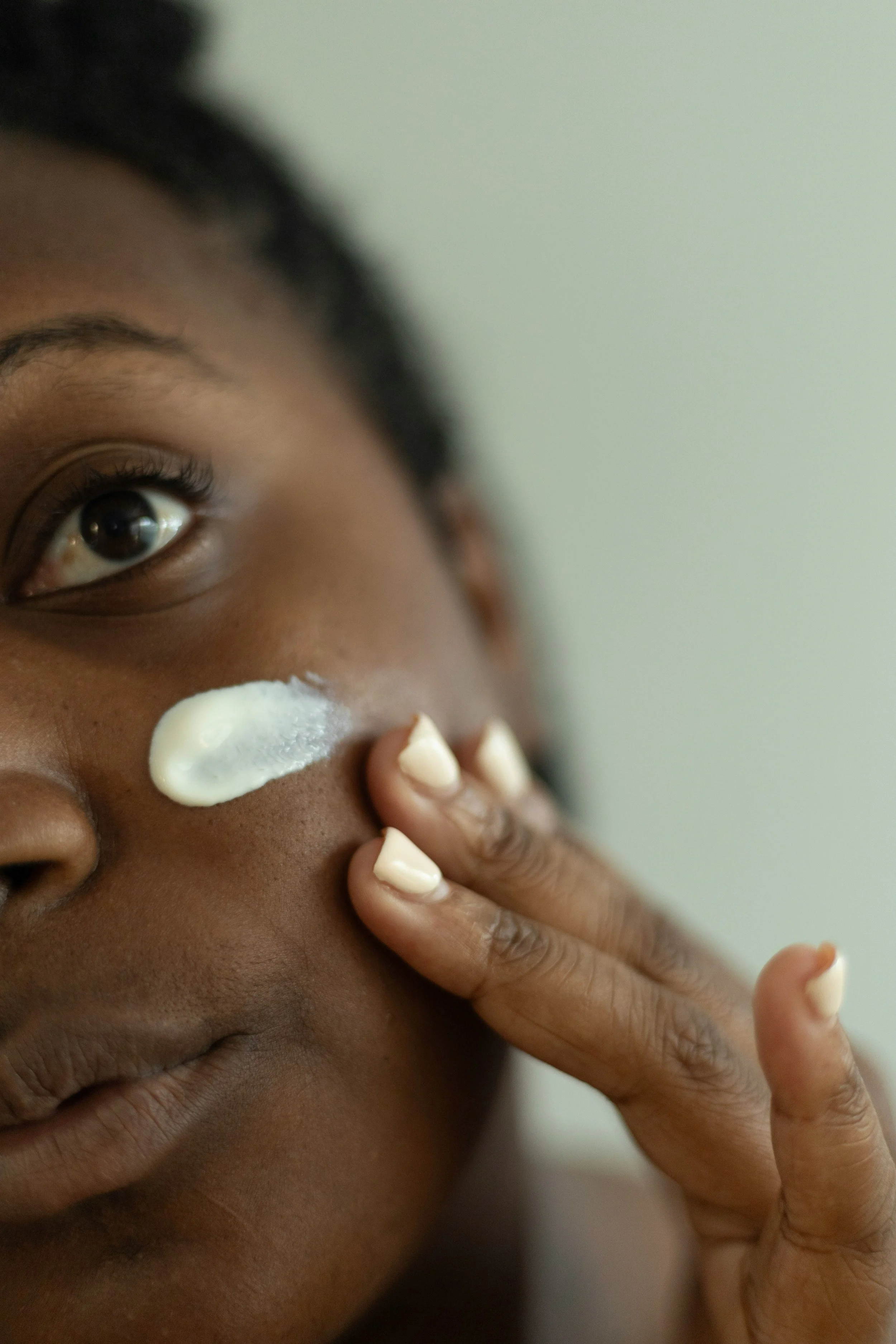
Photo by Yan Krukau
The skin around the eyes, as well as the supporting framework surrounding it, is often the first area to show signs of aging. This area is constantly in motion and naturally thinner than the rest of the face, and it’s especially prone to fine lines. Over time, we also lose fat and bone support around the eyes, which contributes to a more hollow or tired appearance.
If you’ve noticed that your eyes don’t look quite as youthful as they once did, you may be wondering what’s behind the change and what you can realistically do about it.
The good news is that there are many reasons the eye area begins to age, and even more treatment options to help restore brightness, smoothness, and support. Below is an introductory guide to help you understand what’s happening and what can help.
Eye Area Aging And What Can Be Done About It
Common Areas of Concern
When it comes to eye aging, most people tend to notice a few key changes:
Crow’s Feet
These fine lines radiate from the outer corners of the eyes and form due to repetitive muscle movement (blinking, smiling, squinting). Over time, they become more visible and mimic the shape of a bird’s foot—hence the name.
Under-Eye Bags, Sagging, and Hollows
These issues often appear together but can stem from different causes, including fat shifting, skin laxity, and loss of volume in the tear trough area. The result is a shadowed or drooping look that can make the entire face appear tired.
Some people experience all of these changes at once, while others only notice one or two. Every eye area ages differently.
Non-Surgical Options
For younger individuals, the first line of defence is usually topical treatments. Look for ingredients like retinol, hyaluronic acid, and vitamin C in your serums and moisturisers, as these can help boost collagen (the skin’s structural framework) and brighten the skin over time.
You could also consider chemical peels and laser treatments. These are performed in the office by a qualified aesthetician or dermatologist, and can provide a significant improvement that’s typically more immediate than what you’d find with topical products.
Remember, it’s crucial to wear sunscreen every day, even when it’s not sunny, as UV damage is considered to be responsible for up to 80% of visible skin aging.
More in Beauty:
Surgical Options
If your eye issues are significant, you may want to think about surgical options. Eyelid surgery (otherwise known as blepharoplasty) is one of the most popular procedures, and it works by physically removing excess and sagging skin, repositioning the eyelids into a more favorable position. Implants are also an option for those with orbital bone resorption and hollowing. In this case, a prosthetic is 3D printed using the data obtained from a patient's facial scan, and then surgically fixed to the bone with titanium screws for increased volume.
There are also less invasive alternatives like fat grafting, which uses a small amount of your own fat, harvested from another area of the body, and carefully injected beneath the eyes to create subtle, natural-looking fullness.
Final Thoughts
In 2025, there is no shortage of effective options for rejuvenating the eye area. You don’t have to simply “accept” the signs of aging. There are solutions for every concern and every comfort level. If you’re considering any of the procedures mentioned above, consult with a qualified doctor to determine the safest and most suitable path for your needs.








Learn how to care for your skin as you age with a realistic approach to sun protection, moisturizing, healthy lifestyle habits, and optional aesthetic treatments. Supporting your skin while maintaining strength, sleep, emotional well-being, and social connection can help you feel confident and comfortable through every stage of adulthood.