
Best Travel Language Tips for More Confident Adventures
sharing is caring :)
Disclaimer: Je’Ana C. curates the Shades of Tatiana product selections. We only recommend products we genuinely love. If you buy something through our affiliate links, we may earn a small commission at no cost to you.
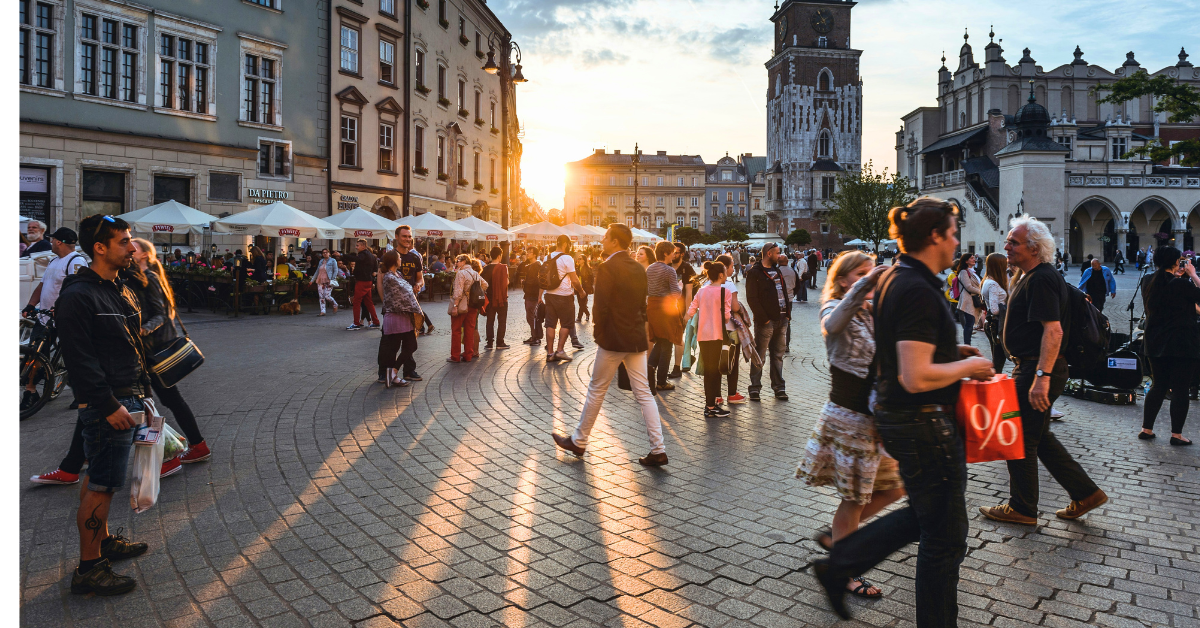
Photo by Jacek Dylag on Unsplash
Going to a new country is an amazing opportunity to grow, explore, and experience life from a different perspective. However, for many people, the thought of navigating a place where they do not speak the language can feel intimidating. It is completely normal to worry about getting lost, ordering the wrong food, struggling to ask for help, or feeling awkward when trying to communicate with locals.
The good news is that you do not need to become fluent before your trip to make a meaningful difference. Learning a few basic phrases and conversational skills can completely change the way you travel. Instead of feeling like you are simply observing from the outside, you can feel more involved in the experience. You can greet people, ask simple questions, show appreciation, and handle everyday situations with a little more confidence.
Picking up some of the local language is just one part of preparing for a trip, but it can be one of the most rewarding. It is not about speaking perfectly or memorizing an entire dictionary. It is about showing effort, building connection, and making your journey feel less stressful and more personal.
Here are some simple ways to build conversational skills before your next trip.
RELATED ARTICLE: 4 Top Tips To Protect Your Health and Finances On Vacation
Simple Language Skills Every Traveler Should Learn
01) Travel More Confidently
There is a special kind of confidence that comes from being able to take care of yourself in a foreign place. When you can handle simple interactions on your own, you feel more capable, prepared, and in control. Even a few basic phrases can make unfamiliar situations feel less overwhelming.
Imagine walking into a busy market in Marrakech. If you do not know any of the local language, you might feel nervous, point at items, and hope for the best. But with just a few Arabic phrases, you can greet the vendor, ask “how much?”, and say “thank you.” That small exchange does more than help you buy spices. It changes the way you feel in the moment.
You stand a little taller. You feel less like an outsider. You become more open to the people, places, and experiences around you. That confidence can spread into every part of your trip. You may feel more comfortable exploring beyond the main tourist areas, trying a small restaurant without an English menu, asking someone for directions, or starting a conversation with another traveler on the train.
Each successful interaction builds on the last. Over time, the anxiety of traveling to an unfamiliar place can give way to a sense of accomplishment. That bravery is also something you can carry home, helping you feel more comfortable handling new situations in your personal and professional life.
02) Essential Phrases to Learn First
Before you even think about tricky grammar, focus on the basics that will help you get through the day. The main goal is to communicate, not to be perfect. Start by learning a few really useful words and phrases that you'll use all the time. Think of them as your go-to conversation tools.
Most language experts suggest starting with a core set of expressions. You can find great lists of essential English for travel phrases and other basic words online. Generally, you should focus on these types of phrases:
Greetings and Polite Words: "Hello," "goodbye," "please," "thank you," "you're welcome," and "excuse me" are absolute must-haves. Using them shows respect and helps you have good interactions.
Key Questions: Learn how to ask "Where is the...?" for places like the bathroom, train station, or your hotel. "How much is this?" is important for shopping, and "Do you speak English?" can be a helpful backup.
Saying What You Need: Simple phrases like "I need help," "I don't understand," or "I am lost" are crucial for staying safe and solving problems. Knowing these can make a stressful moment much easier to handle.
Many guides offer lists of helpful language phrases to learn that go beyond just single words. Learning important phrases for a second language like "Can you repeat that, please?" or "How do you say...?" can even help you learn more while you're there. Even if your pronunciation isn't perfect, people usually appreciate the effort. If you're going to an English-speaking place but it's not your first language, mastering English for travel can make your trip smoother.
03) Practice Before You Go
Just reading a phrasebook on the plane is better than nothing, but actually practicing beforehand is what really makes you feel confident. It's important to hear yourself say the words out loud and get used to the sounds and rhythm of a new language. The more you practice, the more naturally the phrases will come out when you need them most.
There are several simple ways to build your skills before you leave:
Use language apps: Many apps use games and repetition to help you remember words. Just spend 10-15 minutes a day in the weeks leading up to your trip.
Listen and copy: Find YouTube videos, podcasts, or music in the language you're learning. Try to imitate the sounds you hear, focusing on how words are said and the tone. Don't worry about understanding every single word; just get your ears and mouth used to the language.
Label things around you: Write down the names of common household items on sticky notes and put them around your home. Seeing the word for "table" or "door" every day is an easy way to build your vocabulary.
For more structured help and personal feedback, working with an online Spanish tutor can be really effective, especially if you're heading to a Spanish-speaking country. A tutor can correct your pronunciation right away, help you practice real conversations, and answer any specific questions you have about culture and manners. This kind of focused practice can quickly take your skills from just memorizing to actually being able to chat.
More in Travel:

04) Beyond the Phrasebook
Real conversation is more than repeating memorized phrases. It is a lively exchange that includes listening, observing body language, understanding context, and adapting when things do not go exactly as planned. Once you know a few basic phrases, the next step is learning how to use them in real-life situations.
One of the most important skills is listening. Do not panic if you do not understand every word someone says. Instead, listen for keywords you recognize. If you ask for directions to the train station and hear several unfamiliar words mixed with words like “right,” “left,” “straight,” or “near,” you can often figure out the general meaning.
Body language can also help a lot. A smile, a nod, a gesture, or a confused expression can communicate more than you might think. Pay attention to how people point, gesture, or respond. These nonverbal cues can help you understand what is being said, even when you miss some of the words.
Do not be afraid to use your own gestures, either. Pointing, shrugging, acting something out, or showing a photo on your phone are all perfectly acceptable ways to communicate when you cannot find the right word. Travel conversations do not have to be perfect to be successful.
Most importantly, try not to let fear of mistakes stop you from speaking. You will probably pronounce things wrong. You may mix up words. You might need to repeat yourself. That is all part of the process. A friendly attitude and a willingness to laugh at yourself will often get you much further than perfect grammar.
05) Connect with Locals Easily
The best part about learning even a little bit of a new language is the connection it can create. Language is useful for practical things like buying train tickets, ordering food, and asking for directions. But its real power is in turning simple interactions into memorable moments. It can help you move from feeling like a tourist to feeling more engaged with the place you are visiting.
Instead of only asking for what you need, try using your language skills to show interest. At a cafe, you might ask the barista what pastry they recommend. In a shop, you might compliment a display or ask whether something is locally made. At a market, you might ask a vendor about their favorite product.
These small conversation starters show that you see people as more than someone providing a service. They show curiosity and respect. Many people appreciate when visitors make an effort to speak their language, even if it is just a few words. That effort can lead to some of the most unforgettable parts of your trip. A quick conversation with a vendor might lead to a restaurant recommendation that is not in any guidebook. Someone you ask for directions may walk with you for a few blocks and share a little about their neighborhood. These are the moments you cannot always plan, but they often become the ones you remember most.
Takeaway
Learning a language for travel is not about becoming fluent overnight. It is about giving yourself the tools to feel more confident, respectful, and connected while exploring somewhere new. Even a few simple phrases can help you ask for help, show appreciation, navigate unfamiliar places, and create more meaningful interactions.
Start small, practice often, and focus on the words you are most likely to use. The more comfortable you become with basic conversation, the more open your travel experience can feel.
Learning a little of the local language is like extending an invitation. It tells the world you are curious, respectful, and ready to connect.
What is one phrase you always try to learn before visiting a new country?





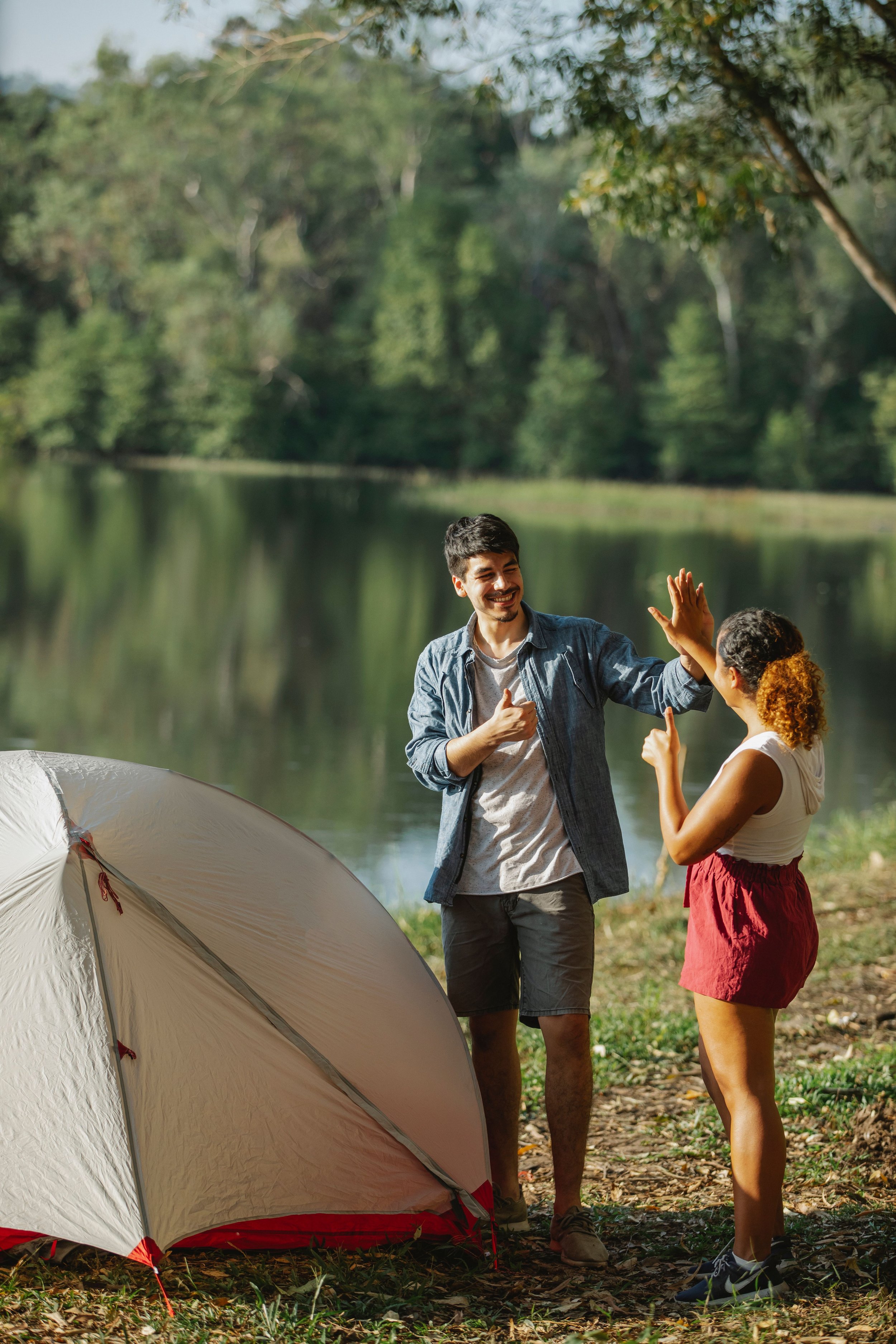


Learn how to stay comfortable while enjoying outdoor recreation with practical tips for choosing the right gear, staying hydrated, pacing yourself, and planning a comfortable place to rest. A little preparation can help you spend less time dealing with discomfort and more time enjoying your outdoor adventures.