
The Hidden Risks of Smoke Residue in Your Home
sharing is caring :)
Disclaimer: Je’Ana C. curates the Shades of Tatiana product selections. We only recommend products we genuinely love. If you buy something through our affiliate links, we may earn a small commission at no cost to you.
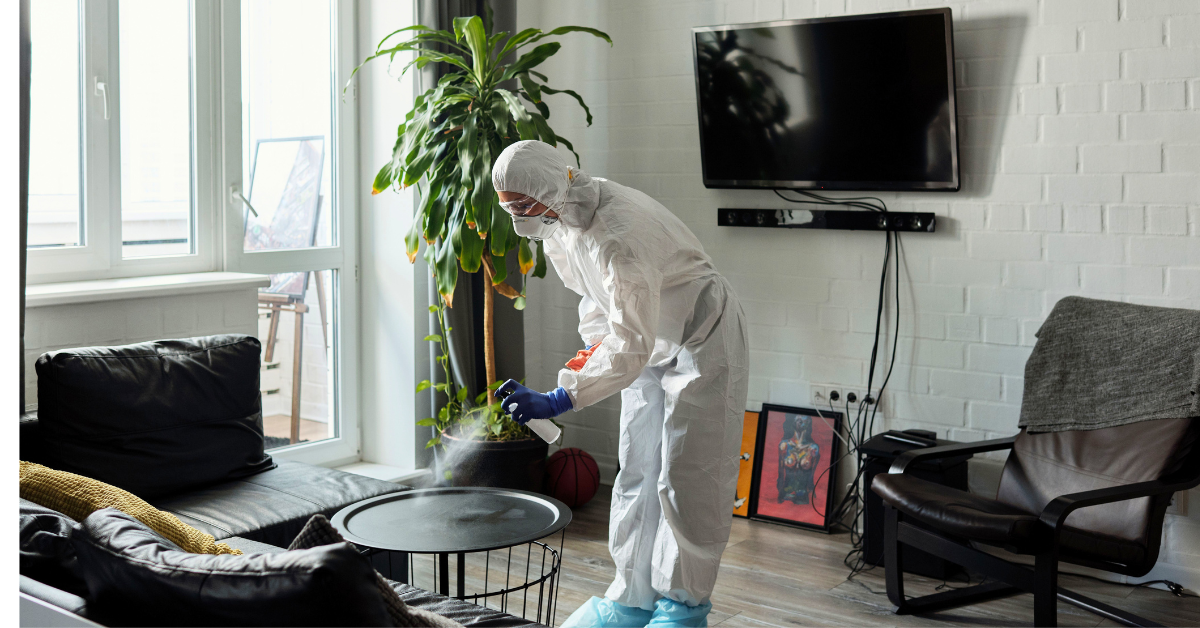
Photo by Matilda Wormwood
When a small fire happens at home, it is natural to feel relieved once the flames are out and the smoke starts to clear. Maybe it was a kitchen mishap, a forgotten candle, an electrical issue, or something that seemed minor once the immediate danger had passed. After opening the windows, airing out the rooms, and wiping down a few surfaces, it can feel like the problem is over.
However, smoke can leave behind more than a temporary smell. Even when the visible haze disappears, smoke residue can remain on walls, ceilings, furniture, carpets, curtains, clothing, and hidden areas throughout your home. It can settle into porous materials, travel through ventilation systems, and continue affecting indoor air quality long after the fire itself is gone.
That lingering smoke smell is often a sign that particles are still present. These particles can be difficult to remove without the right cleaning methods, and in some cases, they may pose health risks to the people living in the home.
Understanding the hidden dangers of smoke residue can help you take the right steps after a fire and protect your home, belongings, and family.
The Hidden Dangers of Smoke in Your Home
Understanding Smoke Residue
After a fire, smoke doesn't just vanish. It settles as a fine, often greasy or powdery film called soot. This residue sticks to everything: walls, ceilings, furniture, carpets, and even the inside of your ventilation system. What kind of residue you get depends on what burned. A slow, smoldering fire creates a sticky, oily residue that's tough to clean, while a fast fire usually leaves drier, more powdery soot.
These particles are tiny, sometimes microscopic, so they can get into porous materials like drywall, wood, and fabrics. Wiping down a wall might remove surface residue, but particles trapped deeper within the material can continue to release odors and contaminants. If the contamination is extensive, especially after soot has spread through your HVAC system, professional smoke damage restoration can thoroughly remove soot, eliminate lingering odors, and help restore your home to a safe, clean condition.
Health Impacts of Smoke Exposure
That lingering smoke smell is more than just annoying. It's a sign that harmful particles are still in your home. People often call this "thirdhand smoke," which is the residue left long after the fire itself. Being exposed to these particles can cause all sorts of health issues. Health experts say this residue poses a hidden health risk because it contains toxic compounds you can inhale or absorb through your skin.
You might experience short-term effects like eye irritation, coughing, and shortness of breath. For people with asthma or other breathing problems, the effects can be even worse. Kids are especially vulnerable because they crawl on floors and touch surfaces, then put their hands in their mouths. Research has shown that toxic thirdhand smoke residue can be a big worry in places where kids live and play.
Detecting Lingering Odors
If you can still smell smoke, those particles are lingering. Your nose is one of the best ways to figure out where the problem is worst. Start by sniffing soft, porous materials, as they absorb odors well.
Fabrics: Check curtains, upholstered furniture, carpets, and clothes. These items often trap smoke particles deep in their fibers.
Hidden Areas: Don't forget to look inside closets, cabinets, and pantries. Air currents can push smoke into these closed-off spots, where the smell gets trapped.
Ventilation System: Turn on your heat or air conditioning. If a smoky smell comes out of the vents, it's a clear sign that your HVAC system and ductwork are contaminated.
More in Wellness:





Professional Smoke Damage Cleanup
While you can clean some surface soot yourself with special sponges and cleaners, removing all smoke residue and its smell often needs professional help. Trying to do it yourself can sometimes just smear the soot, pushing it deeper into surfaces and making things worse.
Professionals have the training and gear to handle the job safely and effectively. They use techniques that go beyond just cleaning the surface:
Ozone Generators: These machines release ozone, a molecule that breaks down and neutralizes odor-causing particles in the air and on surfaces.
Thermal Fogging: This process mimics fire conditions by heating a deodorizing agent and releasing it as a fine mist that penetrates materials, just like the original smoke did.
Air Scrubbers: These use high-efficiency particulate air (HEPA) filters to capture tiny airborne particles, improving overall air quality.
Takeaway
Smoke damage should never be treated as just a temporary smell. Even after the visible smoke clears, residue can remain on surfaces, inside fabrics, within porous materials, and throughout ventilation systems. If left untreated, it can continue affecting your home’s air quality, comfort, and cleanliness.
Taking smoke residue seriously is an important part of making your home safe and healthy again after a fire. Whether the fire was small or more serious, proper cleanup can help reduce lingering odors, remove harmful particles, and prevent soot from spreading further.
Your home may look fine on the surface, but smoke can leave behind hidden damage that deserves attention. Acting quickly and using the right cleaning approach can make a major difference in protecting both your space and the people who live in it.
Have you ever dealt with lingering smoke odors after a small fire, and what helped you finally get your home feeling clean again?










Learn how newer approaches to appetite and weight management are changing the conversation around hunger, metabolism, GLP-1 medications, and the brain-gut connection. Understanding the science, benefits, limitations, and safety considerations can help you have a more informed conversation with your healthcare provider about your options.