
5 Powerful Home Modifications That Help You Beat Excessive Heat
sharing is caring :)
Disclaimer: Je’Ana C. curates the Shades of Tatiana product selections. We only recommend products we genuinely love. If you buy something through our affiliate links, we may earn a small commission at no cost to you.

If you live in a hot climate, you already know how draining constant heat can feel. It affects your sleep, your energy levels, and even your ability to relax in your own space. When your home traps heat, it can turn what should be a place of comfort into something heavy and exhausting, especially during peak summer.
The good news is that you don’t have to rely on blasting the AC 24/7 to stay comfortable. With the right home modifications, you can significantly reduce indoor temperatures, improve airflow, and create a cooler, more livable environment. Here are some of the most effective ways to upgrade your home and finally beat excessive heat.
RELATED ARTICLE: Why Your Home Looks Older Than It Is—And How to Fix It Fast
How to Reduce Indoor Heat With Smart Home Fixes
01) Upgrade to a cool roof
One of the best ways to modify your home to beat excessive heat is to install a cool roof. These roofs are usually made of reflective tiles or shingles, or have a special coating that allows sunlight to bounce off. Many of them can reflect up to 90% of incoming solar energy without absorbing it, so the extra heat won't enter your home.
If a full roof replacement isn’t an option, applying an elastomeric or ceramic-based cool roof paint can be a cost-effective alternative. These coatings can lower roof surface temperatures by up to 100°F, helping reduce the heat that radiates into your living space.
02) Improve your attic insulation
You'll also want to improve your attic insulation. Many people think of attic insulation as something that keeps their homes warm from the inside, but the reverse is also true: it prevents heat from a hot outdoor climate from entering your property.
Aim for 15 in (38 cm) or more of insulation depth for optimal performance. Make sure it’s evenly distributed across the attic floor or rafters, and check for any gaps or weak spots where heat could sneak in.
03) Install Roof Ventilation
If you’ve ever stepped into your attic during summer, you know how intense the heat can get. That trapped heat doesn’t just stay there. It eventually seeps into the rest of your home. Proper roof ventilation lets that hot air escape instead of building up. Ventilation systems push hot air out while pulling in cooler air, especially in the evening and at night. This creates a natural cooling effect that helps regulate indoor temperatures and reduces the overall heat load on your home.
Maintaining an efficient home climate year-round means considering how all your systems work together, so proactive checks of heating components are just as critical as cooling solutions to avoid discomfort. This holistic approach ensures that when cooler temperatures arrive, your home remains warm and efficient, often necessitating a professional look at your heating system, especially if you need local furnace repair services to address any underlying issues before they become major problems.
More in Home:
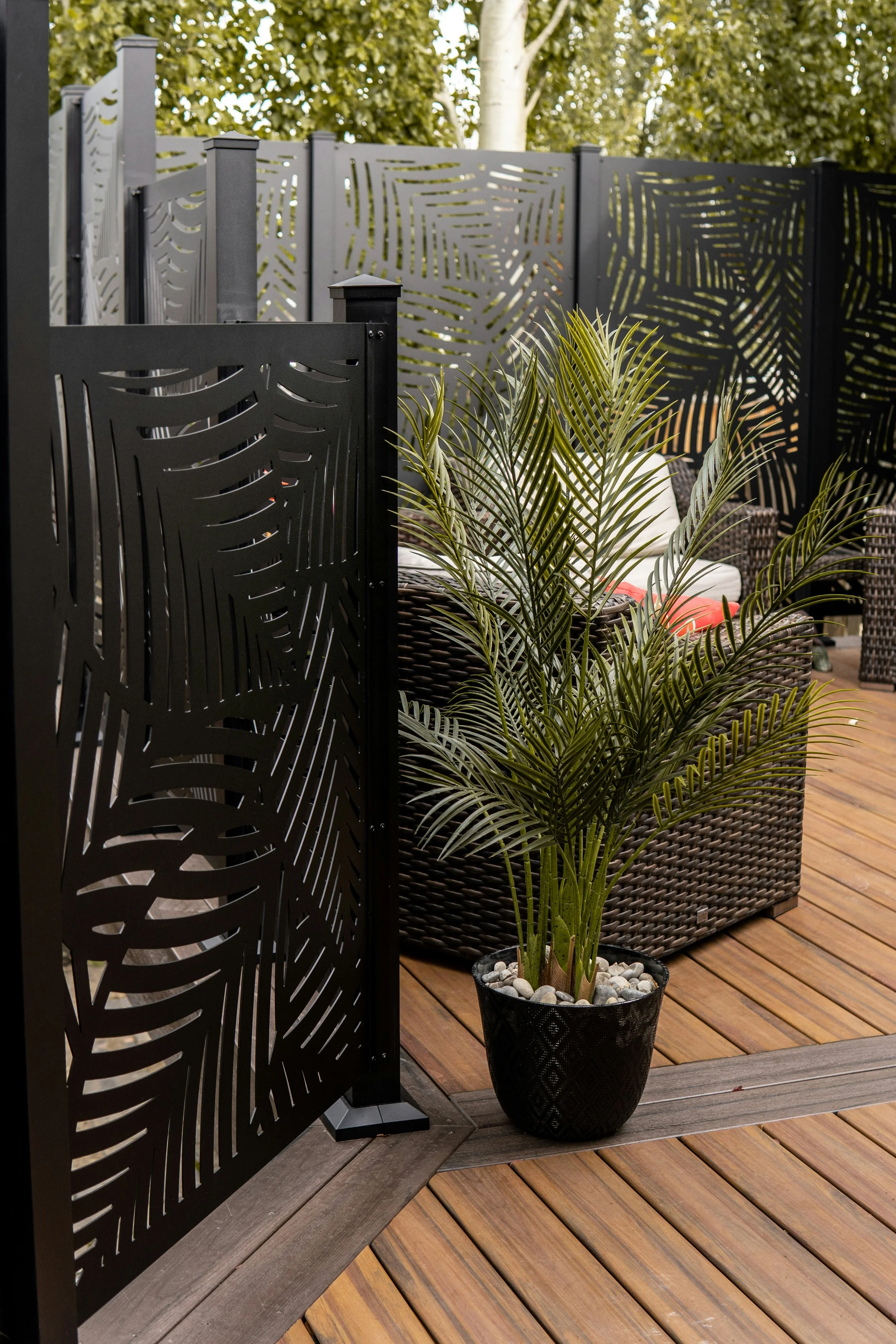



04) Use Patio Sun Screens
Sun screens for patios are becoming more popular in many parts of the country, particularly for people who want to enjoy living outside or eating alfresco. Patio sunscreens prevent harsh side light from entering, especially in the morning or evening. They are often retractable and allow you to adjust them according to the light level you require. Once you have these installed, your outdoor living becomes much more accessible and comfortable.
05) Air Seal and Weatherstrip All Your Gaps
Small gaps and cracks might not seem like a big deal—but they can let in a surprising amount of hot air.
Air sealing and weatherstripping your home help create a tighter barrier against outdoor heat. Focus on areas like:
HVAC ductwork
Spaces under doors
Window edges and frames
By sealing these leaks, you prevent warm air from entering and keep your cooled air inside—making your home more energy-efficient and consistently comfortable.
Takeaway
Beating excessive heat at home isn’t about one single fix. It’s about combining smart upgrades that work together to keep your space cool.
From reflective roofing to better insulation and airflow, these changes can make a noticeable difference in both your comfort and your energy bills.
Which of these upgrades would make the biggest difference in your home, and what’s one change you’re ready to try first?





Learn which garage door maintenance tasks you can safely handle yourself and which problems to leave to a professional. From basic inspections and lubrication to safety tests and warning signs, these practical tips can help you keep your garage door working smoothly without taking unnecessary risks.