
Why Do People Love Spicy Food? The Science Behind the Burn
sharing is caring :)
Disclaimer: Je’Ana C. curates the Shades of Tatiana product selections. We only recommend products we genuinely love. If you buy something through our affiliate links, we may earn a small commission at no cost to you.
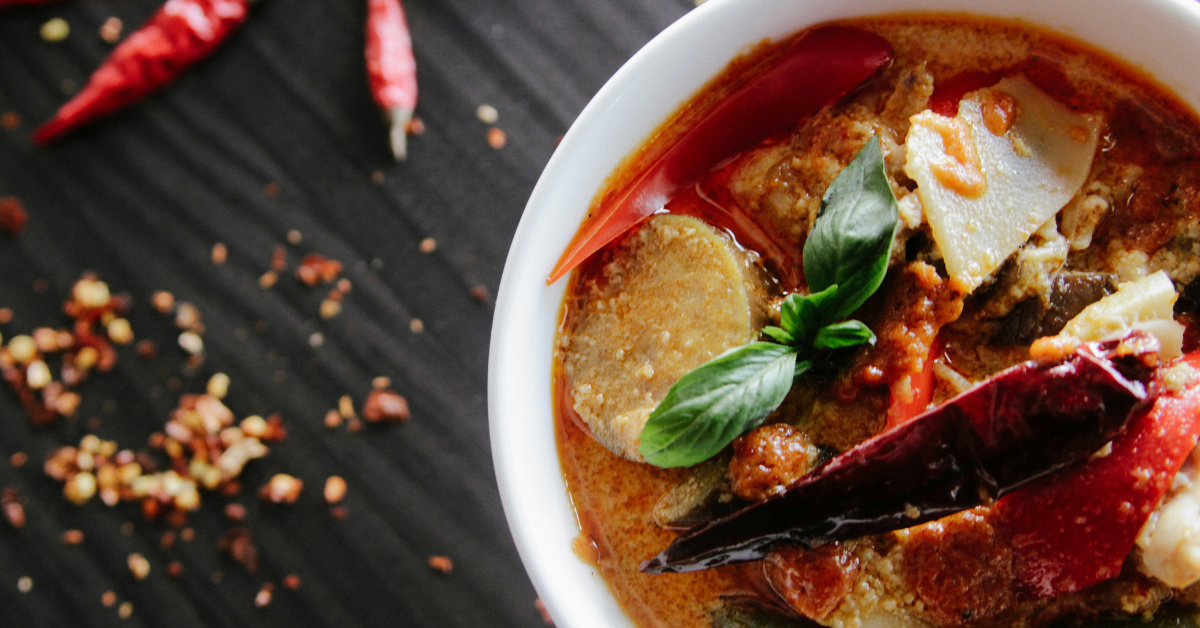
When you think about it, a love of spicy food doesn't seem to make much sense. Most people naturally avoid things that cause discomfort, yet millions of people around the world actively seek out foods that make their eyes water, noses run, and mouths feel like they're on fire.
From fiery curries in India to chili-packed dishes in Thailand and China, spicy food has become a beloved part of countless cuisines. In fact, many people don't just tolerate the heat—they crave it. But why is that? What makes the sensation of eating something painfully spicy so enjoyable for so many people?
Let's take a closer look at the science behind the burn and some of the spicy dishes every heat lover should experience.
RELATED ARTICLE: 4 Expert Tips For Becoming a Better Cook
Why Some People Can’t Get Enough of Spicy Food
Why the Burn Feels So Good
Most forms of pain aren't enjoyable, but chilli heat is different. Unlike touching a hot stove, the burning sensation from spicy food isn't caused by actual heat. Instead, it's a chemical reaction triggered by a compound called capsaicin, which is naturally found in chili peppers.
Capsaicin binds to TRPV1 receptors on your tongue and throughout your mouth. These receptors detect heat and send signals to your brain when something is dangerously hot. When capsaicin activates them, your brain interprets the sensation as heat even though no physical burning is taking place.
Because no actual tissue damage occurs, many people find the experience surprisingly enjoyable. In response to the perceived pain, the body releases endorphins, which act as natural pain relievers, along with dopamine, a neurotransmitter associated with pleasure and reward.
This combination can create a mild euphoric feeling that many lovers of spicy food find addictive. In a way, eating extremely hot food becomes a safe thrill. Similar to riding a roller coaster, watching a scary movie, or participating in an adrenaline-filled activity.
Global Spicy Dishes You Need to Try
When you're eating spicy food, there are all sorts of dishes all over the world that you need to try. One of the most famous is Phal Curry, a dish popular in both the United Kingdom and India. Often considered even hotter than a traditional vindaloo, Phal curry frequently includes ghost peppers, which contain exceptionally high levels of capsaicin. Combined with a rich tomato-based sauce, it delivers intense heat and bold flavor.
Thailand offers another iconic spicy dish: Som Tum. This green papaya salad combines shredded papaya, tomatoes, yard-long beans, peanuts, lime juice, fish sauce, and fresh bird's eye chilies. The result is a refreshing yet intensely spicy dish that perfectly balances heat, acidity, and crunch.
For something completely different, try Sichuan Hot Pot in China. This famous dish combines dried red chilies with Sichuan peppercorns, creating a unique sensation that is both spicy and numbing. Sichuan peppercorns contain a compound called hydroxy-alpha-sanshool, which creates a tingling effect that enhances the overall experience.
Of course, if you're looking for a quick and easy way to add heat to everyday meals, you could simply reach for Devil's Spit barbecue sauce. Many dedicated chili enthusiasts keep their favorite hot sauce within arm's reach at all times.
More in Food:


How to Build Your Spice Tolerance
Not everyone is born loving spicy food. Like many experiences, tolerance can develop over time.
The key is gradual exposure. Start with milder peppers and sauces before working your way up to hotter varieties. As your taste buds become accustomed to capsaicin, foods that once seemed unbearably spicy may begin to feel pleasantly warm.
Many experienced chili lovers enjoy the challenge of progressively trying hotter peppers and dishes, turning spice tolerance into a personal hobby and adventure.
What to Drink When the Heat Becomes Too Much
One of the biggest mistakes people make when eating spicy food is reaching for water.
Because capsaicin is oil-based, water often spreads the compound around the mouth rather than removing it. Dairy products such as milk, yogurt, or ice cream are generally much more effective because they contain casein, a protein that helps break down capsaicin and wash it away.
If dairy isn't an option, foods like bread, rice, or other starchy ingredients can also help absorb some of the heat and provide relief.
Takeaway
Spicy food offers more than just heat. For many people, it's an exciting sensory experience that combines flavor, culture, and even a little adrenaline. The unique interaction between capsaicin and the brain helps explain why so many people enjoy foods that seem painfully hot to others.
If you're planning to turn up the heat at home, be careful when handling peppers. Rather than simply adding them to boiling water, try frying them in oil or butter early in the cooking process to release more flavor. Also, remember that much of a pepper's heat comes from the white ribs and membranes inside, where capsaicin is most concentrated.
What's the spiciest dish you've ever tried, and would you eat it again?
DON’T FORGET TO SHARE :)
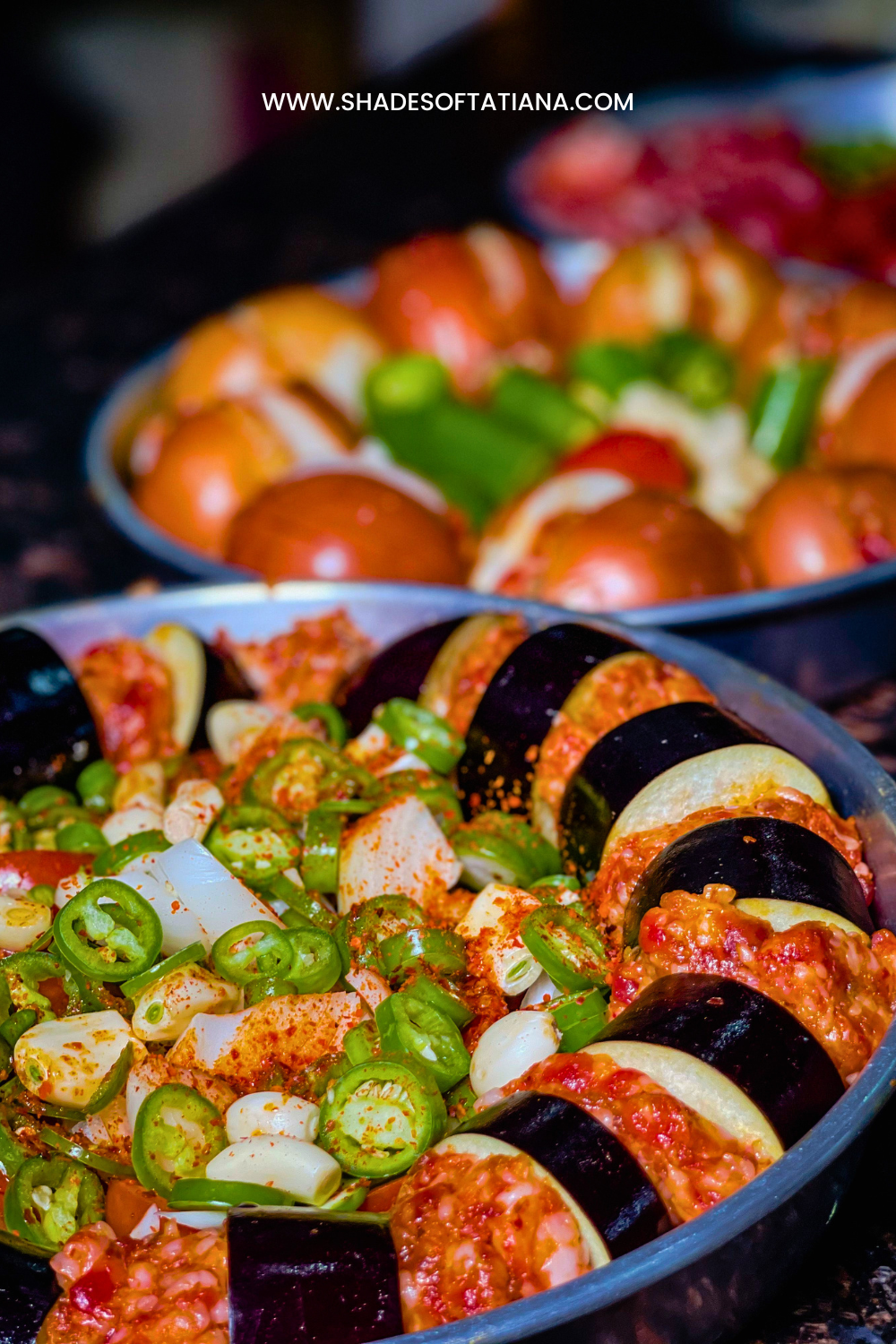










Do you want to enhance your culinary skills with easy meals? Let's face it, we all want to be better at cooking, but we don't always know where to start. I've put together a list of 4 meals that are surprisingly simple to make and can be whipped up in no time. Let's take a look!