
5 Signs Your Website Needs a Refresh
sharing is caring :)
Disclaimer: Je’Ana C. curates the Shades of Tatiana product selections. We only recommend products we genuinely love. If you buy something through our affiliate links, we may earn a small commission at no cost to you.
Your digital presence is often one of the first introductions someone has to your brand, business, blog, or creative work. Before a potential customer sends an inquiry, a reader explores your content, or a brand considers working with you, they'll likely look you up online first. That means your website does more than display information. It's communicating who you are, what you offer, how seriously you take your work, and whether visitors should stick around and learn more.
But websites aren't something you can build once and forget forever. Your brand evolves, technology changes, and what visitors expect from an online experience changes too. If your site has remained untouched for several years, it may no longer accurately represent what you're doing today.
Refreshing your online presence doesn't necessarily mean starting over. Sometimes, updating the design, simplifying navigation, replacing old content, or improving mobile usability is enough to make your site feel more current and better aligned with your goals.
RELATED ARTICLE:
Is Your Website Outdated? Signs It’s Time for a Refresh
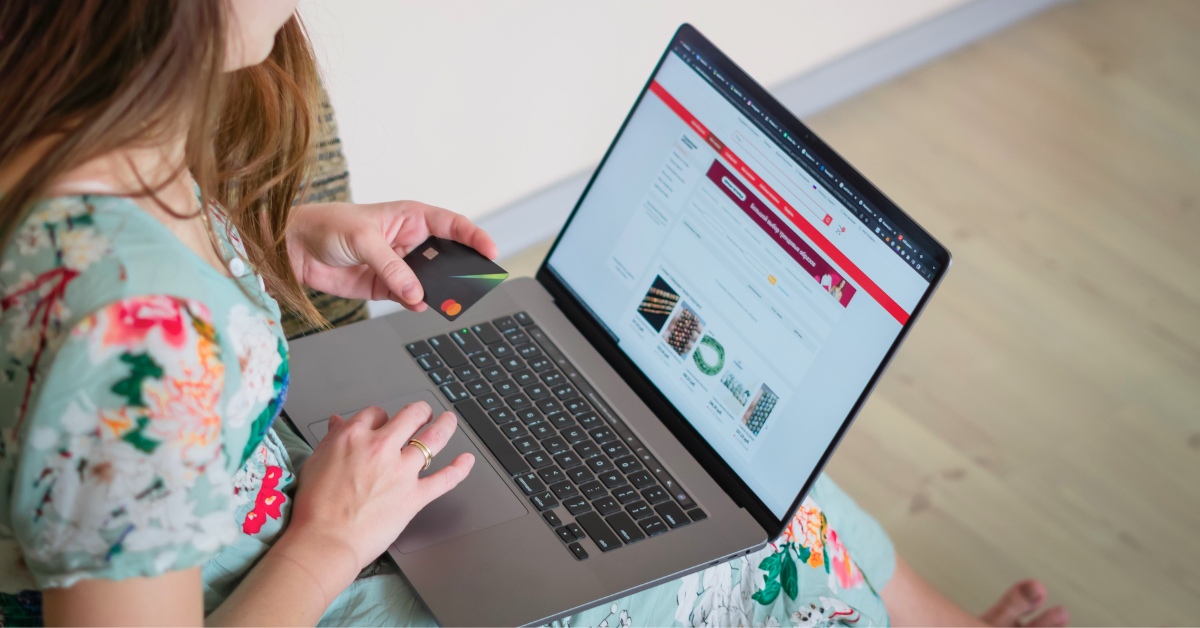
Photo by Marcial Comeron
01) First Impressions Matter Online
People can form an opinion about a website incredibly quickly. Before someone reads your About page or explores your services, they're already taking in the colors, typography, imagery, layout, and overall experience.
Research on how first impressions form online shows how strongly visual design can influence a visitor's initial reaction. A clean, easy-to-navigate website can make your business or personal brand feel more established and trustworthy. An outdated, cluttered, or confusing design, on the other hand, may make visitors hesitate even if the information or services you're offering are excellent.
Think about your own browsing habits. If you land on a website that's difficult to read, overloaded with pop-ups, or nearly impossible to navigate on your phone, you're probably not eager to stay very long. Good design isn't only about aesthetics. It's about creating an experience that makes people comfortable enough to continue exploring, whether you want them to read another blog post, browse your services, join your email list, or eventually become a customer.
02) Know the Signs Your Website Feels Dated
When you look at your own website regularly, it can be hard to notice what may frustrate new visitors. One of the biggest issues is poor mobile usability. Someone visiting your website from their phone shouldn't need to zoom in, scroll sideways, or struggle to tap tiny buttons. Your content should adapt naturally to different screen sizes and remain easy to navigate.
Other clear signs of a dated site include:
Slow load times: Large images, unnecessary scripts, or outdated technology can make pages frustratingly slow.
Outdated visuals: Old photos, inconsistent graphics, difficult-to-read fonts, or a design that no longer reflects your brand can make the entire site feel neglected.
Cluttered layouts: Too many competing messages, buttons, sidebars, or blocks of text can make it difficult for visitors to know where to look.
Broken links or features: Links that lead nowhere, missing images, outdated forms, and error pages can quickly damage trust.
Outdated information: Old services, incorrect contact information, former branding, or years-old announcements can make visitors question whether the site is still active.
If several of these issues are present, small updates may not be enough. Investing in professional web design and development can help turn a confusing or outdated website into something that better supports your current brand and goals.
More in Business:



03) Design With the User in Mind
A modern website doesn't need to follow every new design trend. What matters much more is whether visitors can easily understand and use it. Start with clarity. Someone landing on your homepage should quickly understand who you are, what you do, and where they should go next. Give important content enough space to stand out, rather than filling every available area with text, graphics, and buttons.
Navigation should feel intuitive too. Keep your main menu organized, use descriptive page names, and create internal links that naturally guide visitors toward related information. Visuals also matter. High-quality photography, graphics, and other brand elements can create a more cohesive experience while helping visitors connect with your content.
Then think about what you actually want people to do. Do you want them to read your latest post? Browse your portfolio? Book a service? Join your email list? Your calls-to-action should reflect those goals. Specific wording such as "Browse the Portfolio," "Read More Travel Tips," or "Work With Me" tells visitors exactly what they'll find after clicking and can feel much more inviting than a generic "Click Here."
04) Keep Your Digital Presence Current
You don't need to refresh your website every few months, but maintaining it should be ongoing. Your content will naturally change as your brand grows. Services evolve, portfolios expand, old articles become outdated, and what people search for can shift over time. Regularly reviewing your most important pages helps ensure your website accurately reflects what you do.
SEO also changes. You may discover opportunities to update older posts, strengthen internal links, improve page titles, refresh images, or make content easier for both readers and search engines to understand. Technical maintenance matters too. Check your site periodically for broken links, outdated plugins or integrations, slow-loading pages, and forms that no longer work correctly.
You don't need to implement every digital trend that appears. Instead, focus on changes that improve accessibility, usability, security, speed, and the overall visitor experience. Treating your website as an evolving part of your brand rather than a finished project makes it much easier to keep your online presence relevant over time.
Takeaway
Refreshing your online presence isn't about changing things simply because a new website trend appeared. It's about making sure the digital version of your brand still represents who you are, what you offer, and the experience you want people to have. Start by viewing your website from the perspective of someone discovering you for the first time. Check it on both desktop and mobile. Click through the navigation, test important links, reread your homepage, and ask yourself whether your current branding and content still feel accurate.
You may discover that you only need a few strategic updates rather than a complete redesign. Even small improvements to usability, visuals, messaging, and organization can make your website feel considerably more polished and intentional. Your online presence should grow alongside your brand. Occasional attention helps ensure the first impression you create today reflects where you are now, not where you were several years ago.
When was the last time you looked at your website through the eyes of a first-time visitor?





Learn how to improve your financial wellness by setting realistic money goals, creating a spending plan, automating savings, evaluating funding options, and building habits for long-term financial security. Small, consistent changes can help you feel more organized, prepared, and confident about your money.