
Crypto Investing for Beginners: 5 Things You Need to Know
sharing is caring :)
Disclaimer: Je’Ana C. curates the Shades of Tatiana product selections. We only recommend products we genuinely love. If you buy something through our affiliate links, we may earn a small commission at no cost to you.
Getting started with cryptocurrency investing can feel overwhelming. Between unfamiliar terminology, rapidly changing technology, and thousands of different digital assets to research, beginners can easily feel like they're entering an entirely new financial world.
The good news is that you don't need to understand every technical detail before you can begin learning. Taking the time to understand blockchain technology, security, risk, and what gives individual cryptocurrencies value can help you make more informed decisions. Just like learning how to become semi-expert in crypto, building your knowledge gradually is often more useful than rushing into an investment because of online hype.
Crypto remains a highly volatile and speculative asset class, so research and risk management should always come before investing. If you're curious about entering the digital asset space, these five fundamentals can give you a stronger starting point.
RELATED ARTICLE: 5 Ways to Improve Your Money Mindset for Financial Wellness
A Beginner's Guide to Cryptocurrency Investing

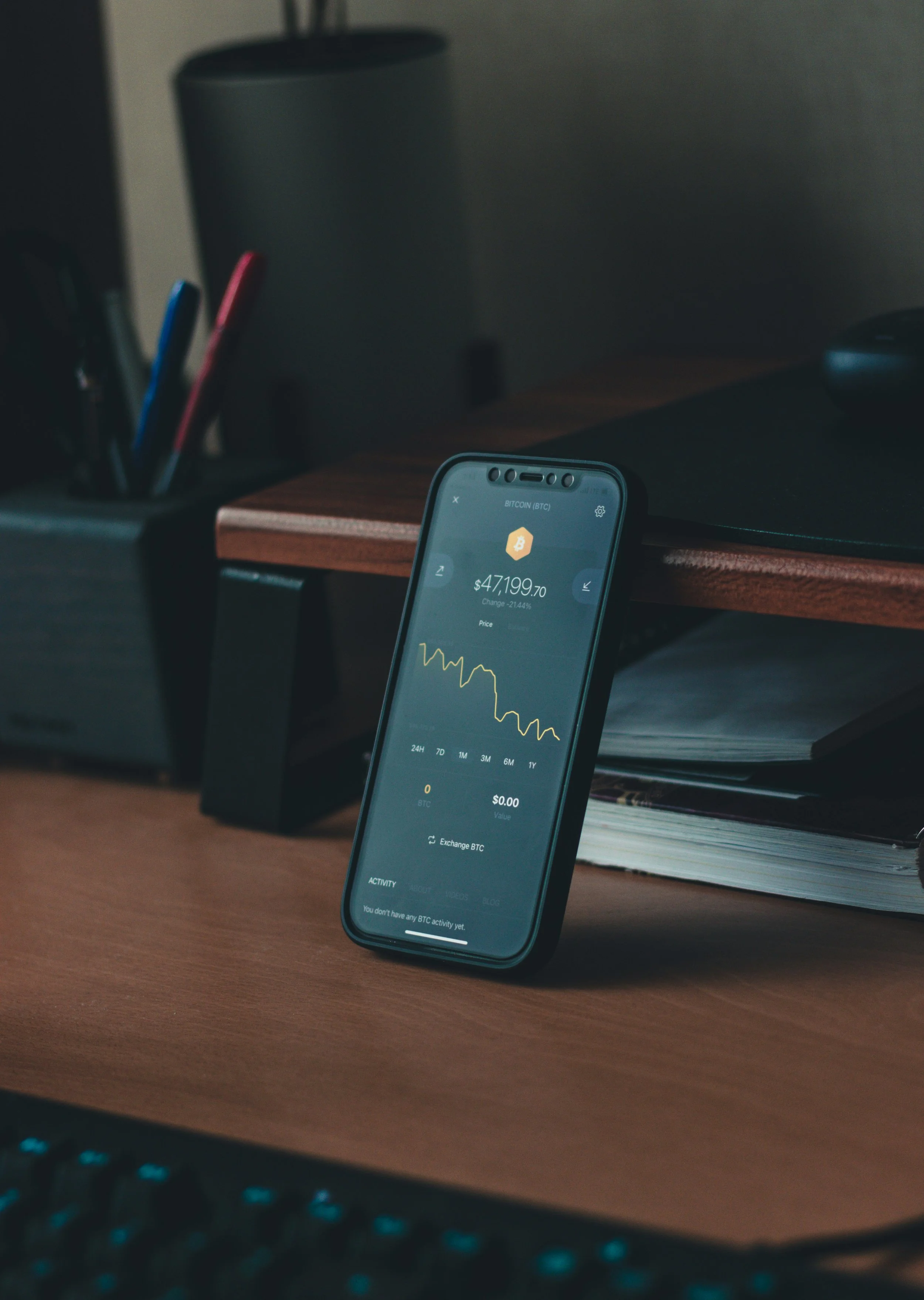
Photo by Michael Förtsch on Unsplash
01) Understand Blockchain Basics
Before investing in cryptocurrency, start by understanding the technology behind it. Blockchain is essentially a digital ledger that records transactions across a network rather than relying on one central authority to maintain the information. Learning a few basic concepts can make the crypto world much easier to follow. For example, proof of work and proof of stake are different methods blockchain networks can use to validate transactions and maintain security. You don't need to become a blockchain developer, but understanding why a particular network exists, how transactions are verified, and what role its cryptocurrency plays can help you evaluate an investment beyond its price chart.
02) Look Beyond the Hype
Crypto markets can move quickly, particularly when a token gains attention on social media. Popularity alone, however, doesn't necessarily mean an asset has long-term value. The crypto ecosystem includes thousands of cryptocurrencies and tokens created for very different purposes. Some support blockchain applications, some facilitate transactions, and others are connected to specific platforms or communities. Highly speculative tokens with limited practical utility also exist.
Before investing, research what a cryptocurrency actually does. Look at the problem the project claims to solve, how the token is used, who is developing it, its supply structure, and whether people or businesses are actually using the network. Understanding the fundamentals can help you separate genuine projects from investments driven primarily by speculation.
03) Prioritize Wallet Security
Security should be one of your biggest considerations when owning cryptocurrency. Unlike traditional banking, crypto transactions can be difficult or impossible to reverse, so protecting your accounts and private information is especially important. You can store cryptocurrency in different types of wallets. Hot wallets are connected to the internet and can be convenient for frequent transactions, while cold wallets store credentials offline and may reduce exposure to certain online threats.
Whichever approach you choose, take advantage of available security features. Use strong, unique passwords, enable multi-factor authentication when available, and never share your seed phrase or private keys. Be cautious of phishing messages and fake websites. Understanding how your chosen wallet or exchange protects your assets should be part of your research before transferring money onto the platform.
More in Finance:



04) Choose Reliable Sources of Information
Where you learn about cryptocurrency matters. Crypto attracts a lot of online commentary, but not everyone publishing investment advice has the knowledge, experience, or incentives you might assume. Look for established educational resources and compare information across multiple sources rather than relying on a single influencer, forum, or article. You can also use websites such as FXCOINZ as part of your broader research process.
Whenever possible, investigate who wrote the information you're reading, when it was published, and whether financial relationships or sponsorships are disclosed. Be particularly cautious when someone guarantees returns, pressures you to invest quickly, or claims that an opportunity has virtually no risk. Crypto changes quickly, so even accurate information can become outdated.
05) Think Beyond Short-Term Price Movements
Crypto's history includes periods of dramatic price increases and substantial declines. Focusing only on past gains can create unrealistic expectations about what an investment might do in the future. Instead of assuming that prices will continue rising, consider why you're investing and how much risk you can realistically afford to take. Diversification, position size, and your overall financial situation matter just as much as choosing a particular cryptocurrency.
Avoid investing money you may need for essential expenses or short-term goals, and remember that no cryptocurrency is guaranteed to increase in value. A long-term perspective can help you avoid impulsive decisions driven by temporary market excitement or fear.
Takeaway
Cryptocurrency investing becomes easier to understand once you break it down into its individual parts. Start with blockchain fundamentals, research what gives a particular asset its purpose, learn how to secure your cryptocurrency, and use reliable sources when making decisions.
Most importantly, don't allow hype or fear of missing out to replace research. Crypto can be extremely volatile, and every investment carries the possibility of losing money. Building your knowledge before investing can help you approach the market with clearer expectations and make decisions that fit your financial circumstances and risk tolerance.
What's the biggest question you still have about getting started with cryptocurrency?





Learn how to improve your financial wellness by setting realistic money goals, creating a spending plan, automating savings, evaluating funding options, and building habits for long-term financial security. Small, consistent changes can help you feel more organized, prepared, and confident about your money.