
5 Ways to Improve Your Money Mindset for Financial Wellness
sharing is caring :)
Disclaimer: Je’Ana C. curates the Shades of Tatiana product selections. We only recommend products we genuinely love. If you buy something through our affiliate links, we may earn a small commission at no cost to you.

Financial wellness isn't only about how much money you earn or how much you currently have sitting in your bank account. The way you think about money can have just as much influence on the decisions you make with it.
Maybe checking your bank balance makes you anxious. Perhaps you tend to spend when you're stressed, put off financial decisions because they feel overwhelming, or constantly worry that you're not doing enough even when you're making progress.
Those patterns are all part of your money mindset. Developing a healthier relationship with money doesn't mean convincing yourself that everything will magically work out. It's about understanding your habits, becoming more comfortable with your finances, and making intentional choices that support the life you're trying to build.
You don't need to transform everything overnight, either. Small changes in how you think about spending, saving, investing, and financial goals can gradually help you feel more confident and in control. Here are five ways to strengthen your money mindset and support your overall financial wellness.
How to Build a Healthy Money Mindset
01) Pay Attention to the Way You Think About Money
Many of our attitudes toward money develop long before we start earning it ourselves. You may have grown up in a household where money was constantly discussed with stress, where spending was discouraged, or where finances weren't talked about at all. Those early experiences can quietly influence how you handle money as an adult.
Start paying attention to the thoughts that appear when you make financial decisions. Do you immediately feel guilty after buying something for yourself? Do you avoid checking your accounts because you're afraid of what you'll see? Do you assume you'll never be "good with money" because you've made mistakes in the past?
Recognizing those patterns allows you to question them instead of automatically acting on them. Developing a positive money mindset doesn't mean ignoring financial challenges or pretending you have more resources than you do. A healthier mindset is realistic. It allows you to acknowledge your current situation while still believing you can make choices that improve it.
It can also help to notice the progress you've already made. Maybe you've started paying down debt, contributed your first $100 to savings, negotiated a higher salary, or become more consistent about reviewing your finances. Those wins count.
02) Turn Financial Goals Into an Actual Plan
It's difficult to feel confident about your finances when you don't know what you're working toward. "Save more money" sounds like a goal, but it doesn't give you much direction. Instead, turn broad intentions into something specific enough to act on.
For example, you might decide to:
Save $5,000 for an emergency fund within ten months.
Pay off a particular credit card by next summer.
Save a certain amount toward a vacation.
Increase your retirement contribution by a set percentage.
Build a down payment fund over the next five years.
Once you know the goal, work backward. If you want to save $5,000 in ten months, for example, your target becomes $500 per month. From there, you can determine whether that amount realistically fits your budget or whether you need to adjust the timeline.
Breaking a large financial goal into smaller milestones can make it feel much less intimidating. Instead of constantly thinking about a number that's thousands of dollars away, you have a manageable target to focus on each month. You should also revisit your goals periodically. Your income, expenses, priorities, and responsibilities will change, and your financial plan can change with them.
03) Learn Enough About Investing to Make Informed Decisions
Investing can feel intimidating when every financial article seems to come with unfamiliar terminology, complicated charts, and endless predictions about what the market will do next. You don't need to become a professional investor to start understanding how markets work.
Learning the fundamentals, including understanding basic market trends, can help you become more comfortable with the fact that markets naturally move up and down over time. That knowledge can be especially valuable during periods of volatility. If every market decline feels like an emergency, you may be more tempted to make emotional decisions instead of considering your original goals and investment timeline.
More experienced or active investors may use better trading indicators to examine trends, momentum, and potential entry or exit points. However, those tools aren't a substitute for understanding risk, and they may not be necessary for someone whose primary goal is long-term investing. For many people, learning foundational concepts such as diversification, risk tolerance, fees, time horizon, and compound growth is a more useful place to begin. You don't need to understand everything at once. The goal is to become informed enough that your financial decisions feel intentional rather than driven by fear, hype, or something you saw online.
More in Business + Finance:



04) Prepare Yourself for Market Ups and Downs
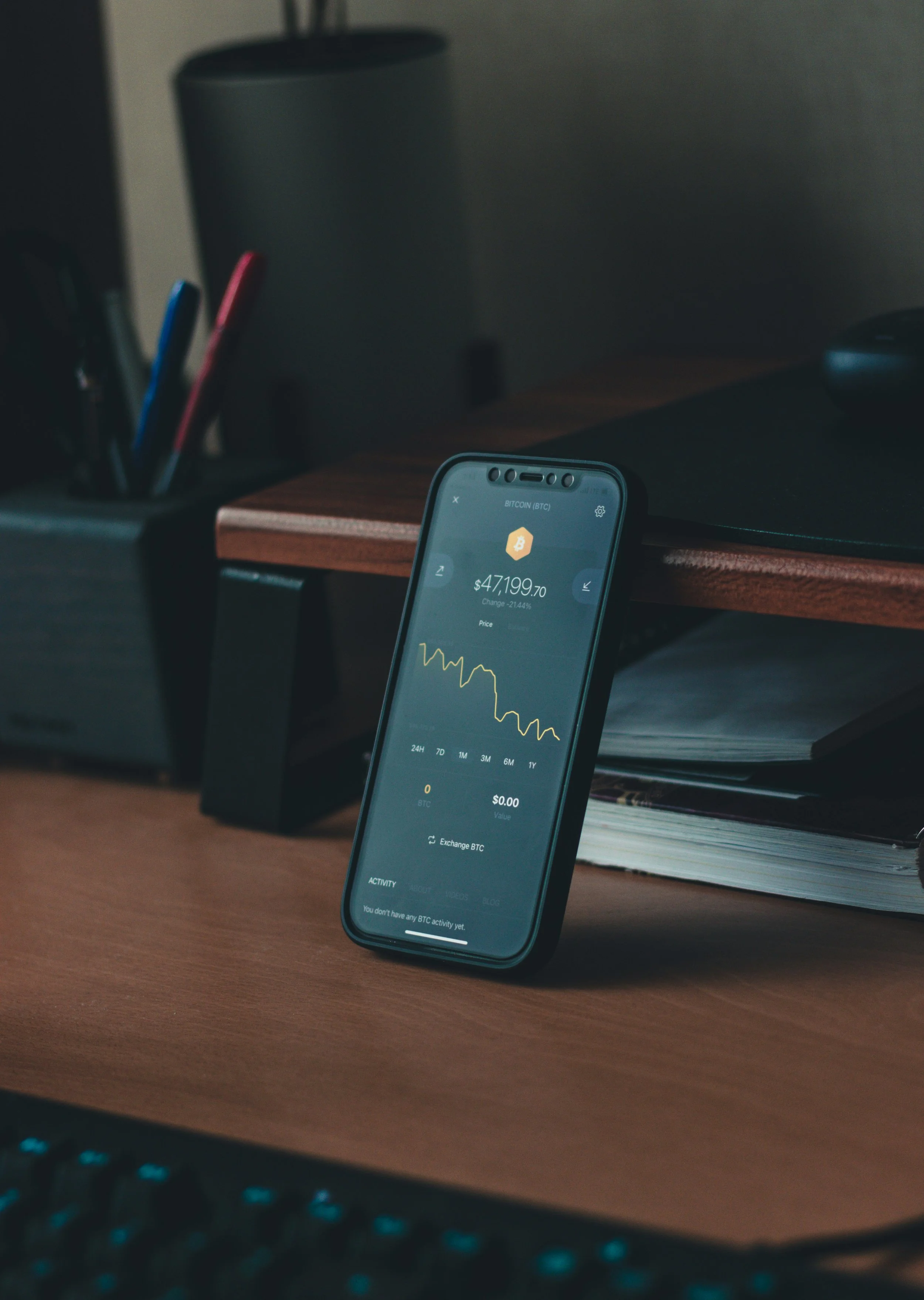
Knowing that investments fluctuate is one thing. Watching your own portfolio lose value is another. It's completely understandable to feel uncomfortable when markets decline, especially when you're seeing numbers connected to your future goals move in the wrong direction. This is where your money mindset becomes particularly important. Short-term market movements can feel dramatic, but your response should reflect your individual investment timeline, financial situation, and risk tolerance rather than whatever happens to be dominating the news that day.
One way investors attempt to manage risk is by having a diverse investment portfolio. Diversification involves spreading investments across different assets rather than relying too heavily on a single company, sector, or investment type. It doesn't eliminate the possibility of losses, but it can reduce the impact of poor performance in one particular area.
It is also worth deciding in advance how often you actually need to check your investments. Constantly refreshing an account during a volatile market can make normal fluctuations feel much more urgent than they are. If you're unsure about your investment strategy or the level of risk that's appropriate for your situation, consider speaking with a qualified financial professional rather than making major decisions based on emotion or short-term market headlines.
05) Make Your Everyday Spending More Intentional
Your daily habits are where your money mindset truly shows up. Mindful spending isn't about feeling guilty every time you buy something that isn't essential. It's about understanding where your money is going and deciding whether those choices reflect what actually matters to you.
Before making an unplanned purchase, give yourself a moment to ask: Do I genuinely want this, and does buying it fit with my current priorities? Sometimes the answer will still be yes, and that's okay. The goal isn't to eliminate enjoyment from your budget. It's to reduce the purchases you barely remember making so you have more room for the things you genuinely value.
If you're not sure where to begin, track your spending for a week or a month without immediately trying to change anything. Look for patterns. Maybe you're spending more on takeout than you realized, regularly paying for subscriptions you no longer use, or making small impulse purchases that add up considerably by the end of the month.
Once you understand those patterns, you can decide what is actually worth changing. You can also make saving easier by removing some of the decision-making. Automatic transfers to savings, retirement accounts, or specific sinking funds can help you make progress before you're tempted to spend that money elsewhere.
Takeaway
Building a healthier money mindset isn't about becoming perfect with money. You can make thoughtful financial decisions and still occasionally overspend, change a savings goal, feel nervous when the market falls, or make a purchase you later regret.
What matters is developing enough awareness to recognize your patterns and make better choices more consistently. Start with one area that currently causes the most stress. Maybe that's checking your accounts regularly, creating a specific savings goal, learning the basics of investing, or becoming more intentional about everyday spending.
Small improvements compound over time. The more comfortable you become understanding and managing your money, the easier it can be to make financial decisions based on your priorities rather than fear or avoidance. Financial wellness isn't about reaching one magical number. It's about building habits and confidence that allow your money to support the life you want to create.
What's one money habit or mindset you'd most like to improve this year?










Learn how to improve your financial wellness by setting realistic money goals, creating a spending plan, automating savings, evaluating funding options, and building habits for long-term financial security. Small, consistent changes can help you feel more organized, prepared, and confident about your money.