
5 Steps to Create a Capsule Wardrobe for Any Occasion
sharing is caring :)
Disclaimer: Je’Ana C. curates the Shades of Tatiana product selections. We only recommend products we genuinely love. If you buy something through our affiliate links, we may earn a small commission at no cost to you.
Having more clothes doesn't always make getting dressed easier. Sometimes it does the opposite. Your closet might be packed with shirts, dresses, jeans, jackets, and shoes, yet somehow you still find yourself standing in front of it thinking, I have nothing to wear. Usually, the problem isn't that you need another shopping trip. It's that the pieces you own don't work together as easily as they could.
That's where a capsule wardrobe can help. A capsule wardrobe is a thoughtfully edited collection of clothes you genuinely wear, love, and can style in multiple ways. It doesn't have to mean owning exactly thirty pieces, dressing exclusively in beige, or getting rid of everything fun in your closet.
The best capsule wardrobe is personal. It should reflect your lifestyle, your climate, the places you actually go, and the clothes that make you feel most like yourself. Someone who works from home will need a very different wardrobe from someone who wears business attire five days a week, just as someone who regularly attends formal events will need different pieces from someone whose weekends revolve around errands and casual brunches. The goal is simply to make more of your wardrobe work harder for you.
Here are five ways to create a capsule wardrobe that can take you from ordinary weekdays to weekends, travel, dinners, work, and special occasions without making your closet feel boring.
RELATED ARTICLE: How to Build a Wardrobe You’ll Actually Love (and Look Effortlessly Stylish)
Tips for Building a Versatile Capsule Wardrobe
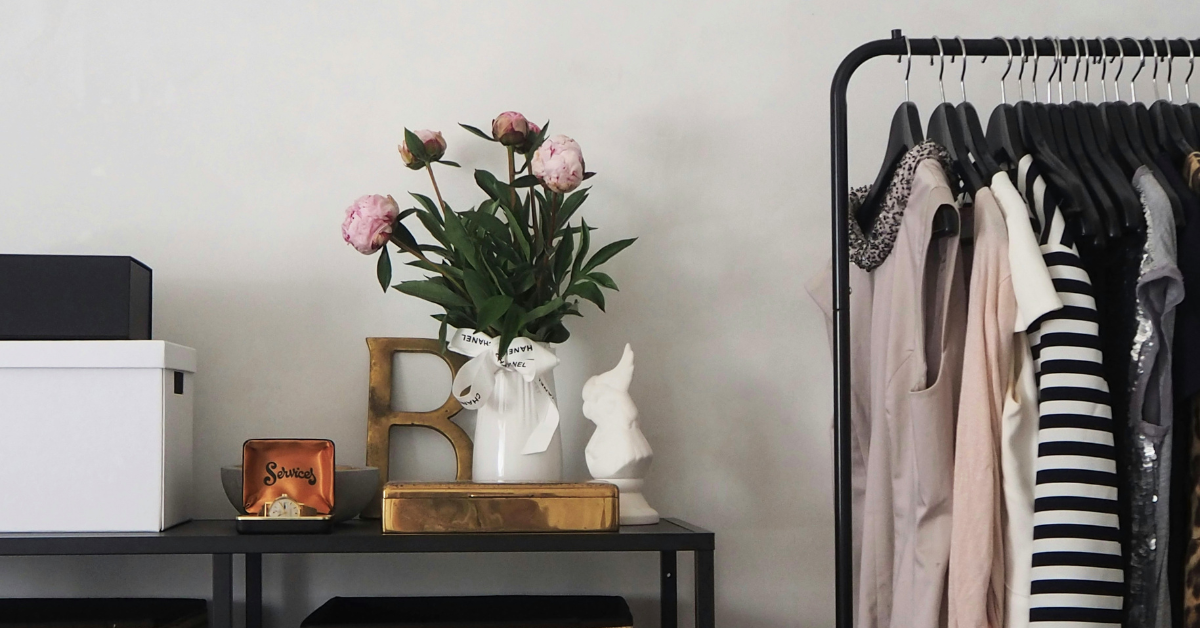
Photo by James Hollingworth on Unsplash
01) Build Your Capsule Around Your Real Life
Before deciding what belongs in your capsule wardrobe, think about how you actually spend your time. It's easy to create a wardrobe for an imaginary version of your life. Maybe you keep buying elaborate dresses even though most of your weekends are casual. Your closet may be filled with workwear from a previous job, while you're currently working remotely. Or you have plenty of everyday clothes but always end up panic-shopping when a wedding or nicer dinner appears on your calendar.
Start by writing down the activities that make up a typical month. For example:
Work
Working from home
Running errands
Casual weekends
Date nights
Brunch or dinner with friends
Exercise
Travel
Family gatherings
Professional events
Weddings or special occasions
Then compare that list with what's currently hanging in your closet. What do you wear repeatedly? What constantly gets passed over? Which occasions are easy to dress for, and which ones always leave you feeling like you're missing something? This is where you can identify actual wardrobe gaps instead of buying more of what you already own.
If you frequently attend weddings, dinners, celebrations, or other special events, having one or two versatile occasion pieces makes more sense than purchasing something completely new each time. A carefully selected option like SACHA DRAKE dresses could become part of that special-event section of your wardrobe if the styles suit your needs. The goal isn't for every item to work for every single situation. It's to make sure your wardrobe reflects the situations you actually dress for.
02) Start With Versatile Pieces You Genuinely Love
Once you understand what your wardrobe needs to do, you can begin choosing the pieces that form its foundation. There's no universal capsule wardrobe checklist that everyone needs to follow. A white button-down may be considered a classic, but if you've owned three and never worn any of them, you probably don't need another one simply because a capsule wardrobe guide tells you that you do.
Instead, focus on high-quality wardrobe basics that fit your personal style. Depending on your lifestyle, that might include:
A great pair of jeans
Tailored trousers
A comfortable everyday dress
Neutral or solid-colored T-shirts
A versatile blouse
A lightweight sweater
A cardigan
A blazer
A denim or leather jacket
A trench coat
A midi skirt
Comfortable everyday sneakers
Loafers, flats, or sandals
Quality matters, but that doesn't necessarily mean choosing the most expensive version of everything. Pay attention to fit, construction, fabric, comfort, and how often you realistically expect to wear something. If you wear black trousers three times a week, investing more in a pair that fits beautifully and holds up well may make sense. If you need a particular style only once or twice a year, you may not need to spend nearly as much. Most importantly, don't fill your capsule with pieces you think you're supposed to own. Choose clothes you're excited to reach for again.
03) Make Sure Your Clothes Actually Work Together
The real advantage of a capsule wardrobe isn't simply owning fewer clothes. It's having more combinations available from the clothes you keep. One of the easiest ways to create that versatility is with a cohesive color palette. Start with two or three base colors you naturally wear often. They might be black, cream, white, navy, brown, gray, denim, or something completely different.
Then add several colors, prints, or textures that complement those basics and reflect your personal style. A capsule wardrobe absolutely doesn't have to be colorless. If you love pink, green, florals, stripes, or bold prints, include them. The key is having enough connection between your pieces to create multiple combinations.
As you work through the steps to building a capsule wardrobe, try testing potential pieces against the rest of your closet. Before keeping or buying something, ask:
Can I style this at least three different ways with pieces I already own?
For example, one pair of tailored trousers might work with:
A T-shirt and sneakers for a casual day
A sweater and loafers for work
A blouse and blazer for a meeting
A fitted top and heels for dinner
A slip dress could work with sandals during summer, a cardigan and flats for brunch, or heels and statement jewelry for a special occasion. You can even take photos of combinations you love and save them in an album on your phone. That gives you a personal outfit library to reference whenever you feel like you have nothing to wear.
More in Fashion:



04) Use Layers and Accessories to Dress Pieces Up or Down
Your accessories can dramatically expand what a smaller wardrobe can do. The same simple outfit can feel completely different depending on the shoes, jewelry, bag, and layers you pair with it.
Take a simple black dress.
For daytime, you might style it with:
Sneakers
A denim jacket
A crossbody bag
Minimal jewelry
For work, add:
A blazer
Loafers or flats
A structured tote
Simple gold jewelry
For dinner or a special event, switch to:
Heels
Statement earrings
A clutch
A more polished jacket or wrap
You haven't added another dress to your closet. You've simply changed the styling. The same principle works with jeans, trousers, skirts, and basic tops. A blazer can instantly make denim feel more polished. A belt can change the silhouette of an oversized dress. A scarf can introduce color without requiring another top. Jewelry can take a simple neckline from understated to dressy in seconds.
Shoes are particularly helpful when you're building a capsule for multiple occasions. You don't need twenty pairs, but having several distinct options can dramatically increase your wardrobe's range. For example:
Comfortable everyday sneakers
Flats or loafers
Sandals
An ankle boot
A dressier heel or shoe
Your exact list will depend on your lifestyle, but the idea remains the same. Instead of buying an entirely different wardrobe for every type of event, use your supporting pieces to shift the mood of what you already own.
05) Refresh Your Capsule With the Seasons
A capsule wardrobe shouldn't remain the same twelve months of the year. Unless you live somewhere with very little seasonal variation, your clothing needs will naturally change. Rather than keeping everything visible at once, rotate certain pieces as the weather changes.
During warmer months, your wardrobe may rely more heavily on:
Linen
Cotton
Lightweight dresses
Tank tops
Shorts
Sandals
Lightweight layers
When cooler weather arrives, those can make room for:
Knitwear
Boots
Heavier trousers
Long-sleeved layers
Coats and jackets
Scarves
Seasonal transitions are also a perfect opportunity to evaluate what you own. When you bring something back out of storage, don't automatically put it back in your closet.
Ask yourself:
Does it still fit comfortably?
Is it in good condition?
Did I actually wear it last season?
Does it still suit my style?
Can I create several outfits with it?
Is there something else in my wardrobe that serves the same purpose better?
Repair pieces that need a little attention before the season begins, and make a shopping list based on genuine gaps you notice. This helps prevent random seasonal shopping. Instead of deciding you "need fall clothes," you might realize what you actually need is one lightweight jacket and a new pair of everyday boots. That's a much more intentional place to start.
Your capsule can evolve as your life does too. A new job, move, pregnancy, changing personal style, new hobby, or different social routine may completely change what you need from your clothes. A successful capsule wardrobe isn't something you build once and never touch again. It's something you continue editing so it keeps working for the person you are now.
Takeaway
Creating a capsule wardrobe isn't really about having the smallest closet possible. It's about having a wardrobe where more of what you own actually gets worn. Start with your real lifestyle rather than someone else's capsule checklist. Pay attention to the pieces you naturally reach for, identify the situations you're currently struggling to dress for, and build around clothes that fit well and work together.
Then let accessories, shoes, and layers expand your options. You may find that one versatile dress can handle several occasions, the same trousers can move from work to dinner, and a handful of reliable basics gives you far more outfits than a closet filled with pieces you purchased individually without considering what they would go with.
And remember that your capsule doesn't need to look minimalist to someone else. It can include prints. It can include color. It can be feminine, edgy, romantic, trendy, classic, or somewhere in between. The point is for your wardrobe to feel unmistakably like you, while making getting dressed much easier.
Learn how to stay stylish, dry, and comfortable outdoors with practical tips for choosing weatherproof clothing, layering effectively, protecting your hands and feet, and caring for rainwear. A few versatile wardrobe essentials can help you feel prepared for rain, wind, and changing temperatures without sacrificing your personal style.