
How to Build a Relaxed Wardrobe for Effortless Style
sharing is caring :)
Disclaimer: Je’Ana C. curates the Shades of Tatiana product selections. We only recommend products we genuinely love. If you buy something through our affiliate links, we may earn a small commission at no cost to you.
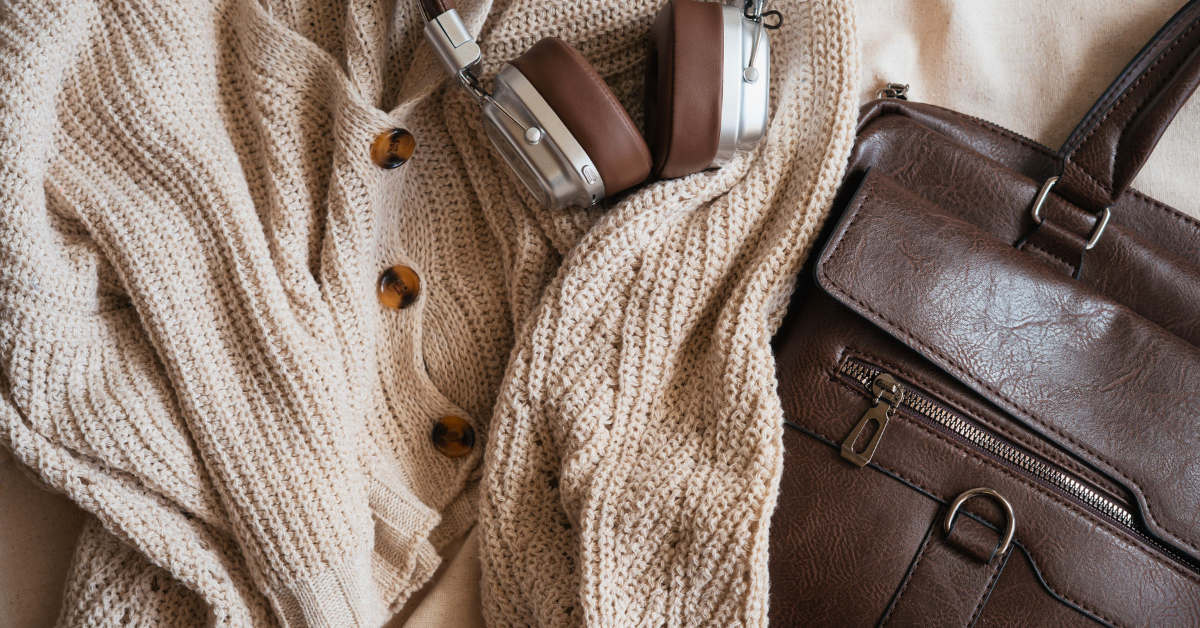
Photo by hello aesthe
The outfits you reach for most are usually the ones that make getting dressed feel easy. They fit comfortably, work with more than one thing in your closet, and can take you from a casual morning to dinner plans without requiring an entirely different wardrobe. That balance between comfort and style is what makes a relaxed wardrobe so useful.
And relaxed doesn't have to mean sloppy or overly casual. A great pair of wide-leg trousers can feel just as comfortable as lounge pants while looking considerably more polished. An oversized button-down can work with jeans on the weekend, tailored trousers for work, or over a dress on vacation. Even pieces from your comfy sweater collection can become part of a more elevated outfit with the right styling. The goal is to create a closet filled with pieces that feel good on your body while still making you feel put together.
Here are five ways to build a relaxed wardrobe that can work for almost any occasion.
RELATED ARTICLE: Why Personal Style Feels Harder Today (And How to Get It Back)
Building a Relaxed Wardrobe for Any Occasion
01) Stop Treating Comfort and Style as Opposites
There was a time when getting dressed up often meant accepting uncomfortable shoes, restrictive clothing, or outfits you couldn't wait to take off when you got home. Thankfully, personal style doesn't have to work that way.
Comfort can be part of what makes an outfit look effortless. When your clothes fit properly and allow you to move naturally, you're less likely to spend the day adjusting straps, pulling at waistbands, or wishing you had worn something else.
Start paying attention to the clothing you genuinely enjoy wearing. Maybe you prefer trousers with a relaxed waistband, soft knits instead of stiff tops, midi dresses rather than fitted minis, or sneakers and loafers over heels. Those preferences aren't obstacles to being stylish. They're clues that can help you build a wardrobe around what actually works for your life.
Fit is especially important. Relaxed clothing should still feel intentional. An oversized blazer that fits properly through the shoulders, for example, can look polished, while something simply several sizes too large may overwhelm your frame. Instead of asking whether an item is fashionable enough, ask yourself whether you can comfortably imagine wearing it for several hours. The pieces that pass both tests are usually the ones you'll get the most use from.
02) Curate a Versatile Collection
A relaxed wardrobe becomes much easier to manage when the majority of your clothing works together. You don't necessarily need a strict capsule wardrobe with a specific number of items. Instead, focus on versatility.
Begin with reliable pieces you can repeatedly style in different ways, such as:
A great pair of jeans
Relaxed tailored trousers
A simple white or neutral T-shirt
A button-down shirt
A comfortable knit sweater
A versatile blazer
A midi or slip dress
A denim or lightweight jacket
Comfortable everyday shoes
Once those foundations are in place, add personality through color, prints, accessories, and unexpected silhouettes. Patterned trousers are a good example. A print can feel like a statement piece, but it doesn't necessarily have to be difficult to style. Pieces from a new collection of gingham pants could be paired with a simple tank and sneakers for an everyday outfit, a lightweight sweater and loafers for something more polished, or a blouse and accessories for dinner.
When you're considering something new, mentally create at least three outfits using clothing you already own. If the only way you can imagine wearing an item requires buying several other pieces, it may not be as versatile as it initially seemed.
03) Pay Attention to How Fabrics Feel
The silhouette of an outfit matters, but the fabric can make the difference between something you wear constantly and something that stays in the back of your closet. Look for materials that feel comfortable against your skin and make sense for your lifestyle and climate. For example, cotton is an everyday favorite because it's versatile and comfortable. Linen is lightweight and breathable, with a naturally relaxed appearance that works especially well during warmer months. Silk can bring a more polished feel to simple silhouettes.
You may also come across fabrics such as Tencel and modal, which are often used in pieces designed to have a soft feel and fluid drape. Fabric weight matters too. A heavier knit may create a beautiful structured sweater but feel uncomfortable during transitional weather. A very lightweight pair of trousers might be ideal in summer but less practical during colder months. Think about when and where you're most likely to wear the piece.
You should also consider maintenance. A beautiful item that requires complicated care every time you wear it may not become an everyday favorite if you prefer low-maintenance clothing. Always check the care label before purchasing so you know what you're committing to. The best relaxed pieces often combine comfort, movement, and practicality without looking overly casual.
More in Fashion:

04) Balance Relaxed Silhouettes
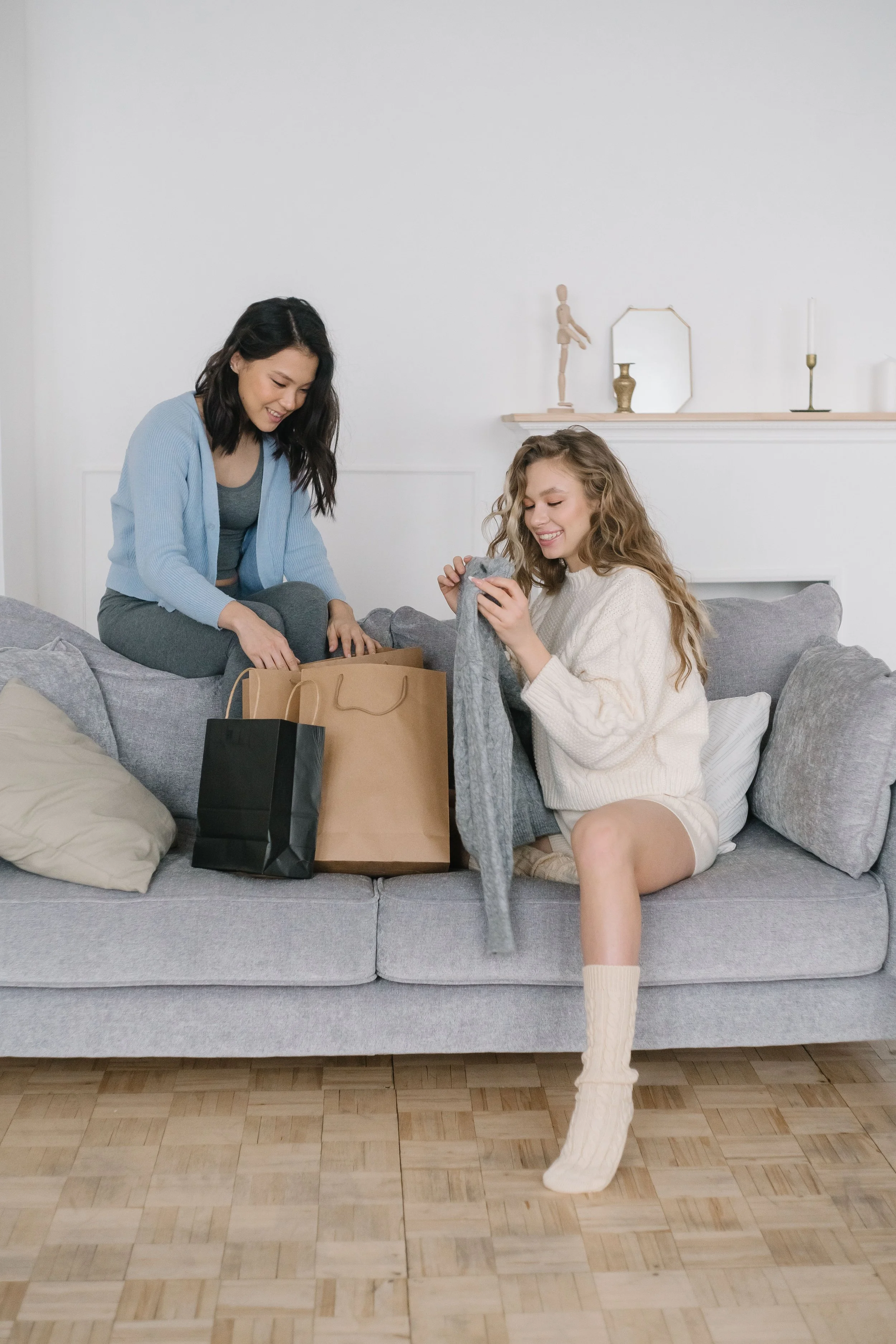
Wide-leg trousers, oversized blazers, loose button-downs, flowy dresses, and roomy sweaters can all create that effortless look, but proportions are what make the outfit feel intentional. You don't have to follow a strict rule that says one half of your outfit must always be fitted. Instead, think about creating enough shape or structure that your clothing doesn't overwhelm you.
For example:
Pair wide-leg trousers with a tucked or cropped top.
Wear an oversized blazer over a simple tank and straight-leg jeans.
Add a belt to a loose midi dress for more definition.
Half-tuck a relaxed sweater into trousers or jeans.
Leave an oversized button-down open over a more streamlined base layer.
Shoes can change the proportions of an outfit too. Chunky sneakers may make relaxed trousers feel sporty, while pointed flats or loafers can instantly make the same pants feel more polished. Accessories are another easy way to add structure. A leather bag, simple jewelry, sunglasses, or a belt can make a very basic combination look considerably more intentional.
The goal isn't to make every outfit perfectly fitted. It's to find proportions that make you feel comfortable and confident.
05) Choose Quality Where It Matters Most
A relaxed wardrobe doesn't need to be enormous. In fact, having fewer pieces that fit well and work with multiple outfits can make getting dressed much easier than owning a packed closet full of clothing you rarely wear. That doesn't mean every item has to be expensive. Instead, decide where quality matters most to you.
For pieces you wear constantly, such as coats, sweaters, trousers, handbags, and everyday shoes, it may make sense to prioritize durability and construction. Investing in well-made, timeless pieces can also help you create a wardrobe that isn't dependent on replacing everything whenever a new trend appears.
When you're evaluating clothing, look beyond the label or price tag. Check the stitching, fabric, buttons, zippers, lining, and overall construction. Think about whether the material will maintain its shape after repeated wear and washing.
Most importantly, don't buy something solely because it's considered a timeless staple. A trench coat might be a classic, but it isn't a worthwhile investment if you never enjoy wearing trench coats. The same applies to blazers, leather bags, loafers, or any other item commonly included on "wardrobe essentials" lists. Your timeless pieces should be the ones that are timeless for you. Once you have that foundation, you can easily introduce trendier colors, prints, accessories, and silhouettes without rebuilding your wardrobe every season.
Takeaway
Effortless style isn't about creating a wardrobe full of basic clothing or dressing casually every day. It's about having pieces that make getting dressed feel easier.
Prioritize clothing that fits comfortably, works with several outfits, and suits your actual lifestyle. Experiment with relaxed silhouettes, pay attention to fabrics, and use accessories and styling details to make simple outfits feel more intentional.
Most importantly, build your wardrobe around what you genuinely enjoy wearing rather than what someone else's list says you should own. When your closet is filled with pieces that feel good, work together, and make you feel like yourself, looking put together becomes much less complicated.
What's one piece in your wardrobe that always makes you feel comfortable and effortlessly put together?
DON’T FORGET TO SHARE :)
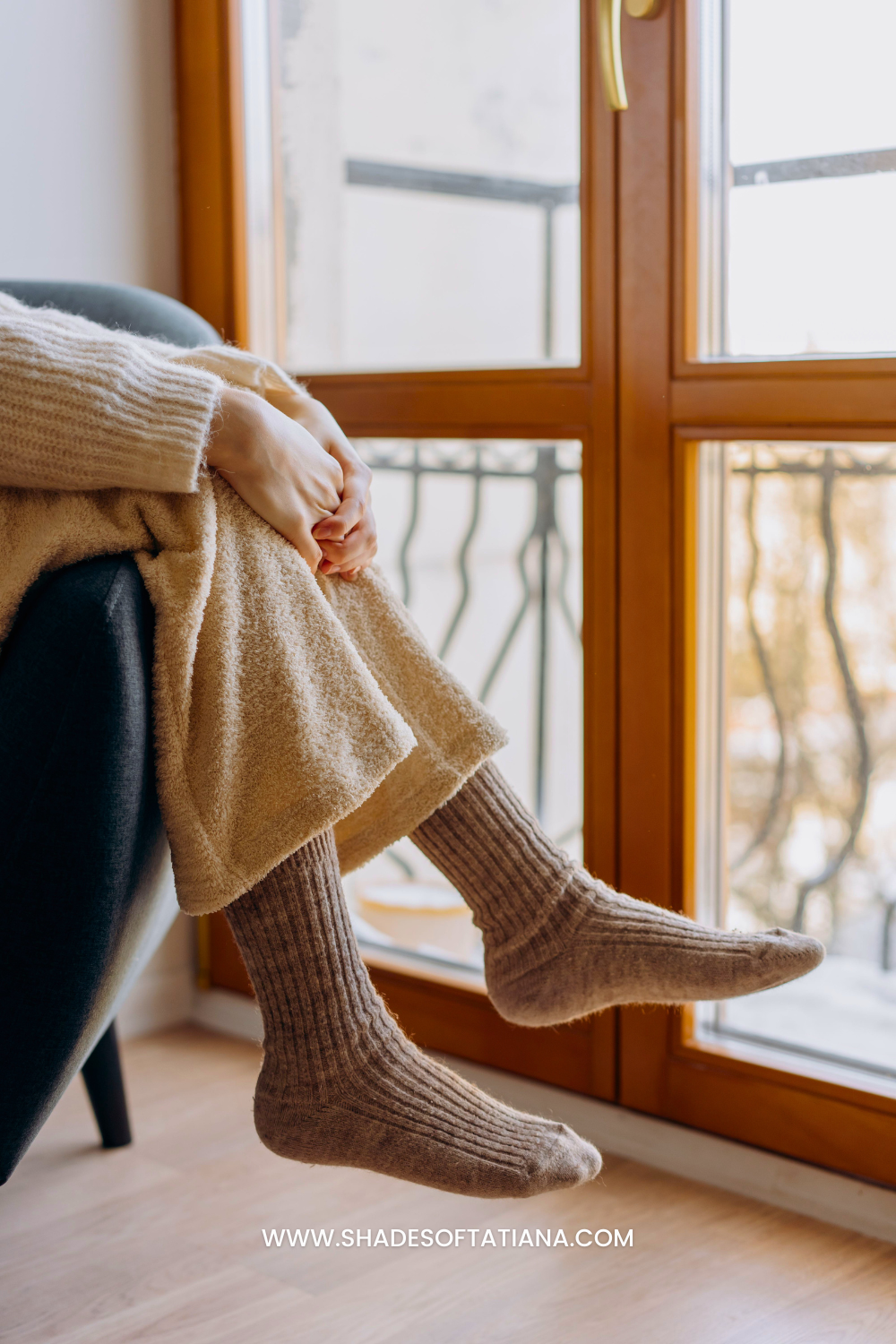

Learn how to stay stylish, dry, and comfortable outdoors with practical tips for choosing weatherproof clothing, layering effectively, protecting your hands and feet, and caring for rainwear. A few versatile wardrobe essentials can help you feel prepared for rain, wind, and changing temperatures without sacrificing your personal style.