
Minimalist Skincare Routine for Healthy, Hydrated Skin
sharing is caring :)
Disclaimer: Je’Ana C. curates the Shades of Tatiana product selections. We only recommend products we genuinely love. If you buy something through our affiliate links, we may earn a small commission at no cost to you.
A good skincare routine doesn't need to take 30 minutes or require an entire shelf of serums, toners, masks, and treatments. While multi-step routines can work well for some people, adding more products doesn't automatically lead to better skin. Layering several active ingredients without understanding how they work together can sometimes contribute to dryness, sensitivity, or irritation.
For many people, the most useful approach is simpler: start with a few skincare tips, build a consistent foundation, and add products only when there's a specific reason. A minimalist routine also makes it easier to understand what your skin actually likes. Instead of introducing several new formulas at once, focus on the essentials, watch how your skin responds, and make thoughtful adjustments over time.
RELATED ARTICLE: 4 Skincare Habits That Make the Biggest Difference Long-Term
How to Build a Simple Skincare Routine for Healthy Skin
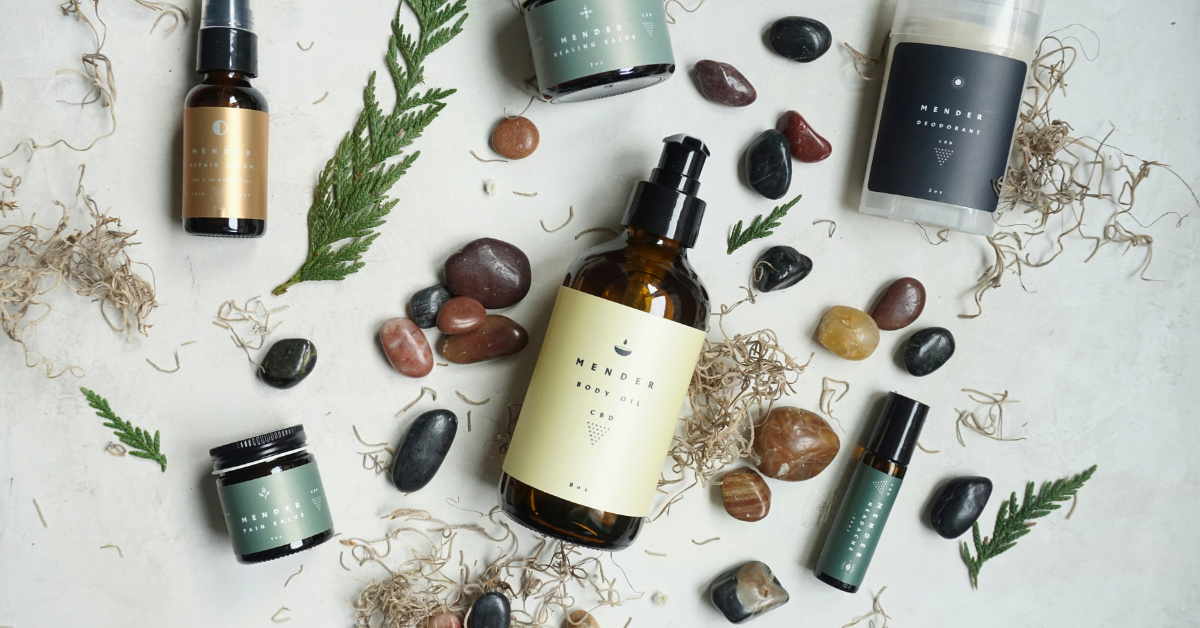
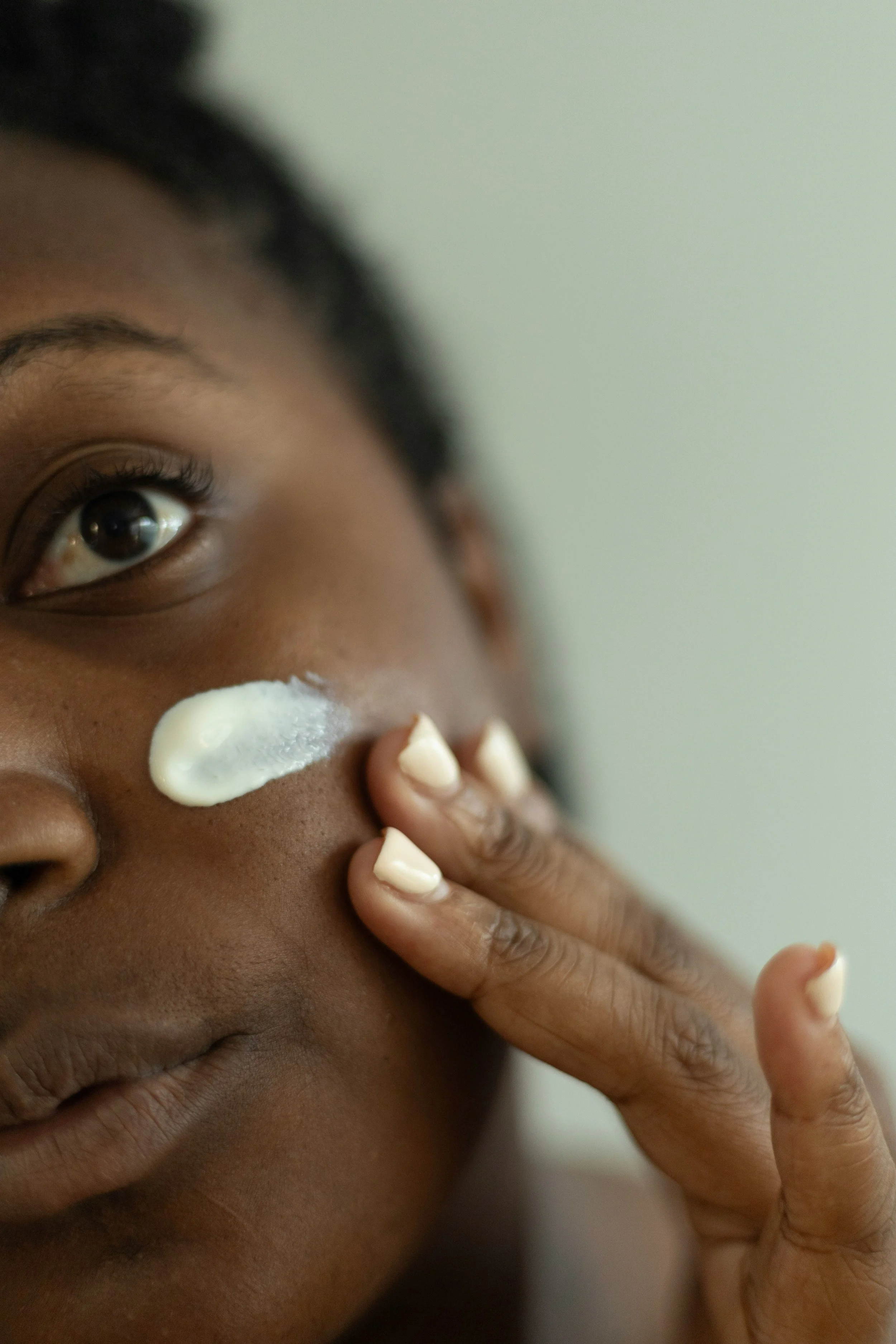
Photo by Elsa Olofsson on Unsplash
01) Build Your Routine Around the Essentials
Skincare has become increasingly complicated, but you don't need every product category you see online. Toners, essences, facial oils, masks, exfoliants, and serums can all fit into a routine, but you don't need to include them just because they're popular.
A basic routine can often begin with three priorities:
Cleanse: Remove makeup, sunscreen, excess oil, and everyday buildup without leaving your skin unnecessarily dry or uncomfortable.
Moisturize: Support your skin's barrier and help maintain hydration with a formula appropriate for your skin.
Protect: Use sunscreen during the day to reduce exposure to ultraviolet radiation.
When you're building a minimalist skincare routine, start there. Once you know your skin tolerates the basics, you can decide whether you actually need anything else. If you're trying to address acne, hyperpigmentation, texture, or another specific concern, a targeted treatment may make sense. But it should serve a purpose, not just lengthen your routine.
02) Choose a Cleanser That Doesn't Leave Your Skin Uncomfortable
Cleansing should remove what you don't want on your skin without leaving your face feeling stripped afterward. If your skin regularly feels tight, itchy, or uncomfortable immediately after washing, you may want to reconsider your cleanser, water temperature, cleansing frequency, or a combination of those factors.
Look for a cleanser that suits both your skin and how you're using it. Someone removing water-resistant sunscreen or makeup at night may have different cleansing needs than someone washing their face first thing in the morning. Ingredient labels and product descriptions can also help you compare formulas, whether you're looking for a gentle facial cleanser or exploring products such as natural soap for men.
Just remember that "natural" doesn't automatically mean gentler or better for sensitive skin. Fragrance, essential oils, surfactants, and other ingredients can affect people differently, whether a product is marketed as natural or conventional. Your morning routine may also be simpler than your evening one. Some people prefer using cleanser twice a day, while others with dry or sensitive skin may find that rinsing with water in the morning works better. Pay attention to what leaves your skin feeling clean and comfortable rather than following a cleansing rule that doesn't suit you.
03) Make Moisturizer Work for Your Skin Type
Moisturizer isn't only for people with visibly dry skin. Your skin barrier relies on a combination of water and lipids to function properly, and the right moisturizer can help reduce water loss while keeping your skin feeling comfortable. The formula you prefer will depend on your skin. If you're dry, you may gravitate toward a richer cream with more occlusive or emollient ingredients. If you have oily or combination skin, you may prefer a lighter lotion or gel-cream that doesn't feel heavy.
Ingredients commonly found in moisturizers include:
Humectants, such as glycerin or hyaluronic acid, which help attract and retain water.
Ceramides, which are lipids naturally found in the skin barrier.
Emollients, which help smooth and soften the skin.
Occlusive ingredients, which can help reduce moisture loss from the skin's surface.
You don't necessarily need a moisturizer containing every popular ingredient. Pay more attention to how the complete formula works for your skin. A simple moisturizer you comfortably use every day is more useful than an elaborate formula that repeatedly irritates you or sits untouched in your cabinet.
More in Beauty:

04) Make Sunscreen a Daily Priority
If you want to keep your routine minimal, sun protection deserves a permanent spot. Regular exposure to ultraviolet radiation contributes to sunburn, visible signs of skin aging, hyperpigmentation, and skin cancer risk. Using sunscreen is one practical way to help protect exposed skin. Look for a broad-spectrum sunscreen with SPF 30 or higher and choose a texture you can realistically wear consistently. That last part matters.
A technically impressive sunscreen isn't especially helpful if you dislike the texture so much that you rarely apply it. Depending on your preferences, you might like a moisturizing lotion, lightweight fluid, gel, mineral formula, or tinted sunscreen.
Apply it to exposed skin as directed on the product, and remember that sunscreen isn't permanent protection once it's on. Reapplication can be especially important when you're spending extended time outdoors, swimming, sweating, or wiping the product away. Sun protection can also include shade, hats, clothing, and limiting intense sun exposure when practical. Your skincare products are only one part of the equation.
05) Add Targeted Products Only When They Have a Job
Minimalist skincare doesn't mean you're never allowed to use a serum or treatment. It means every additional product should earn its place. If your basic routine is working but you have a specific concern you'd like to address, introduce one targeted product thoughtfully instead of adding several actives at once. For example, someone developing a routine for oily skin may consider ingredients such as salicylic acid for certain types of clogged pores or acne. That doesn't mean everyone with oily skin needs it, or that using it more frequently will produce better results.
Start slowly when appropriate, follow product directions, and avoid stacking several potentially irritating treatments simply because they're trending. Your routine may also need adjustments throughout the year. Colder weather, humidity, travel, changes in your environment, or starting a prescription treatment can all affect what feels comfortable.
If you're dealing with persistent acne, significant irritation, an unexplained rash, or another ongoing skin concern, a dermatologist can help determine whether you need something more specific than another over-the-counter product.
Takeaway
A minimalist skincare routine isn't about proving that you can survive with the fewest products possible. It's about giving each product a clear purpose. Start with the foundation: cleanse in a way that doesn't leave your skin uncomfortable, moisturize with a formula suited to your needs, and make sun protection part of your daytime routine.
Then stop and pay attention. If your skin feels comfortable and you're happy with it, you may not need to add much more. If there's a particular concern you want to address, introduce a targeted product intentionally rather than rebuilding your entire routine around whatever ingredient happens to be trending.
Consistency with a few products that work for you can be considerably easier to maintain than a complicated routine you eventually stop using. Healthy skincare doesn't have to mean more steps. Sometimes, the smartest upgrade is knowing what you can leave out.
If you had to simplify your skincare routine to just three products, which ones would you keep?





Learn how to care for your skin as you age with a realistic approach to sun protection, moisturizing, healthy lifestyle habits, and optional aesthetic treatments. Supporting your skin while maintaining strength, sleep, emotional well-being, and social connection can help you feel confident and comfortable through every stage of adulthood.