
How to Adjust Your Skincare Routine for Every Season
sharing is caring :)
Disclaimer: Je’Ana C. curates the Shades of Tatiana product selections. We only recommend products we genuinely love. If you buy something through our affiliate links, we may earn a small commission at no cost to you.

Photo by Content Pixie on Unsplash
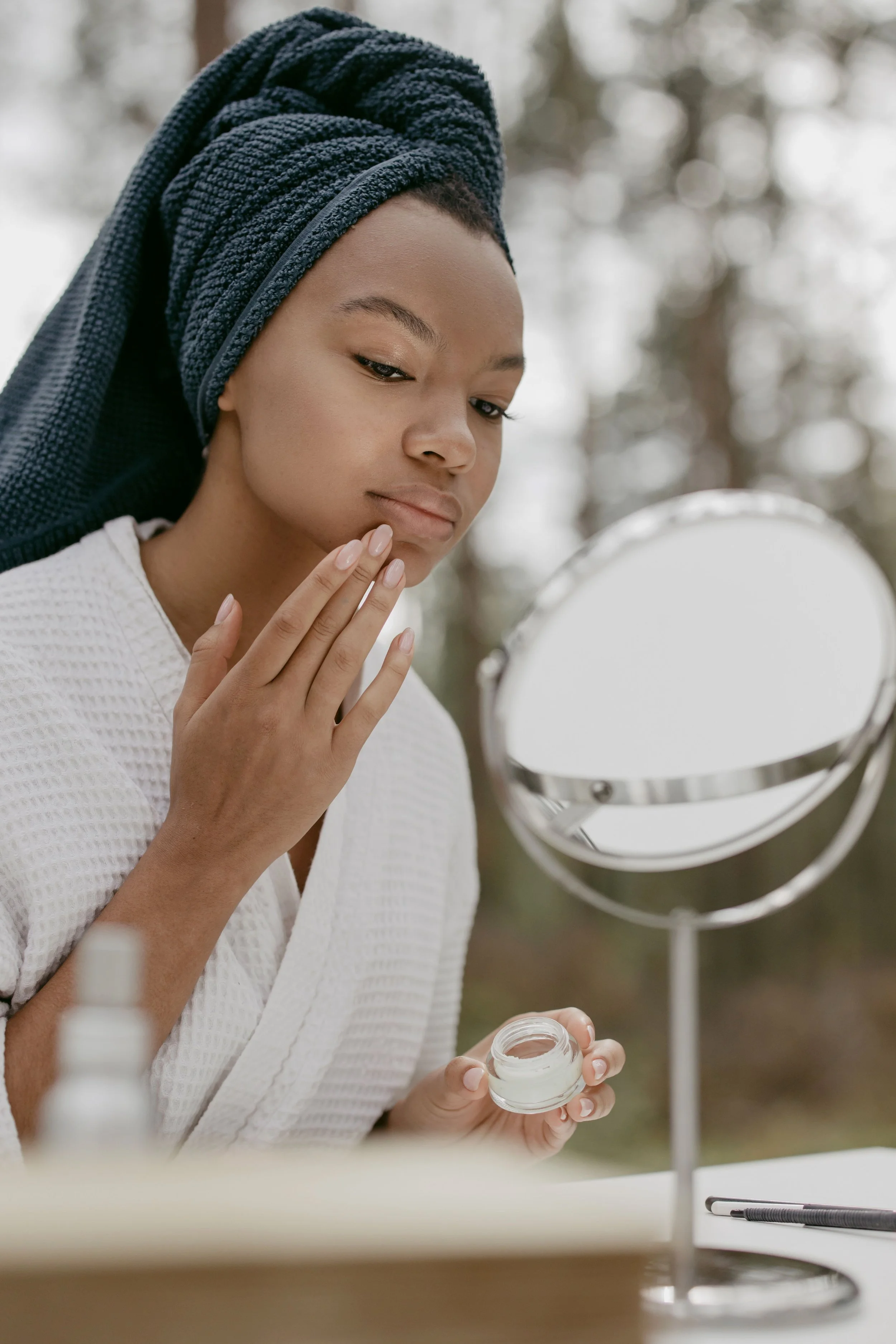
Just like you swap chunky sweaters for sundresses, your skincare routine can benefit from a seasonal update too. Changes in temperature, humidity, wind, indoor heating, and sun exposure can all affect how your skin looks and feels. What works beautifully in the humid heat of July may feel too light in the middle of winter, while the rich cream that saves your skin in January might feel heavy and greasy once summer arrives.
That is why seasonal skincare matters.
Your skin does not always need the same products every month of the year. Sometimes, it needs more hydration. Other times, it needs lighter layers, stronger sun protection, or extra support after a season of environmental stress.
The goal is not to completely replace every product whenever the weather changes. Instead, it is about paying attention to your skin and making small adjustments that help it stay comfortable, healthy, and balanced. Here are simple ways to adjust your skincare routine for every season and climate.
RELATED ARTICLE: Say Goodbye to Rough Skin: Proven Tips to Improve Texture
Seasonal Skincare Tips for Healthy Skin Year-Round
01) Summer Skincare Strategies
When the weather gets hot and humid, your skin may start producing more oil. Sweat, sunscreen, heat, and extra time outdoors can also make your skin feel more congested than usual. During summer, the goal is to keep your skin hydrated without feeling greasy and to protect your skin from the strong sun. This is the time to switch to lighter products.
This is usually the best time to switch to lighter products. Instead of using a heavy cream, try a gel or water-based moisturizer. These formulas can help hydrate the skin without clogging pores or leaving behind a thick residue. If your skin is naturally oily, you may find that lightweight layers feel much more comfortable during warmer months.
Adding a vitamin C serum to your morning routine can also be helpful. Vitamin C is often used to brighten the skin and support protection against environmental stressors, especially when paired with sunscreen.
Most importantly, broad-spectrum sunscreen should be a daily non-negotiable. Look for an oil-free formula with at least SPF 30, and reapply it every two hours when you are outside, sweating, or swimming. Sunscreen is one of the most important parts of summer skincare because it helps protect against sunburn, premature aging, and long-term skin damage.
The differences between summer and winter skincare are pretty noticeable, especially when it comes to texture, hydration, and sun protection. Summer skincare is usually lighter, fresher, and more focused on oil control and UV defense.
02) Winter Hydration Hacks
Cold air outside and dry indoor heat can quickly leave your skin feeling tight, flaky, irritated, and dull. Winter skincare is all about moisture, repair, and protection. When the air is dry, your skin may lose moisture more easily, which can weaken its barrier and make it more sensitive.
This is the season to bring back richer, more nourishing products. Look for moisturizers with ingredients like ceramides, shea butter, glycerin, and hyaluronic acid. Ceramides can help support the skin barrier, while humectants like hyaluronic acid and glycerin help attract and hold moisture.
You can also add a hydrating serum to your routine and apply it to slightly damp skin before moisturizer. This helps lock in hydration and keeps your skin feeling softer for longer. For an extra boost, consider using a hydrating face mask once or twice a week. You may also want to avoid over-exfoliating during winter, since harsh exfoliation can make dry or sensitive skin feel worse.
If your skin still feels dry no matter what you use, or if you are dealing with flare-ups of eczema, rosacea, irritation, or persistent sensitivity, it may be time to speak with a skin specialist for a more personalized plan.
03) Spring Refresh Your Routine
Spring is a great time to reset your skincare routine. As the weather becomes milder, your skin may not need the same heavy layers it relied on during winter. This is the perfect season to slowly transition away from richer products and focus on refreshing your skin after months of cold, dry air.
One helpful step is to focus on exfoliating. Over the winter, dead skin cells can build up and leave your complexion looking dull or uneven. A gentle chemical exfoliant, such as a toner or serum with glycolic acid or lactic acid, can help smooth the skin and reveal a brighter-looking complexion.
Start slowly, especially if your skin is sensitive. Using an exfoliant a few times a week may be enough. You do not need to exfoliate aggressively to see results. In fact, overdoing it can lead to irritation, dryness, or a damaged skin barrier.
Spring is also a good time to check in with your skin. Does it still feel dry? Is it starting to get oilier as temperatures rise? Are you noticing clogged pores, dullness, or sensitivity? These signs can help you decide whether to switch from a thick winter cream to a medium-weight lotion or lighter moisturizer. Think of spring as the transition season. It helps your skin find balance before the heat and humidity of summer arrive.
More in Beauty:



04) Fall Prep for Cooler Weather
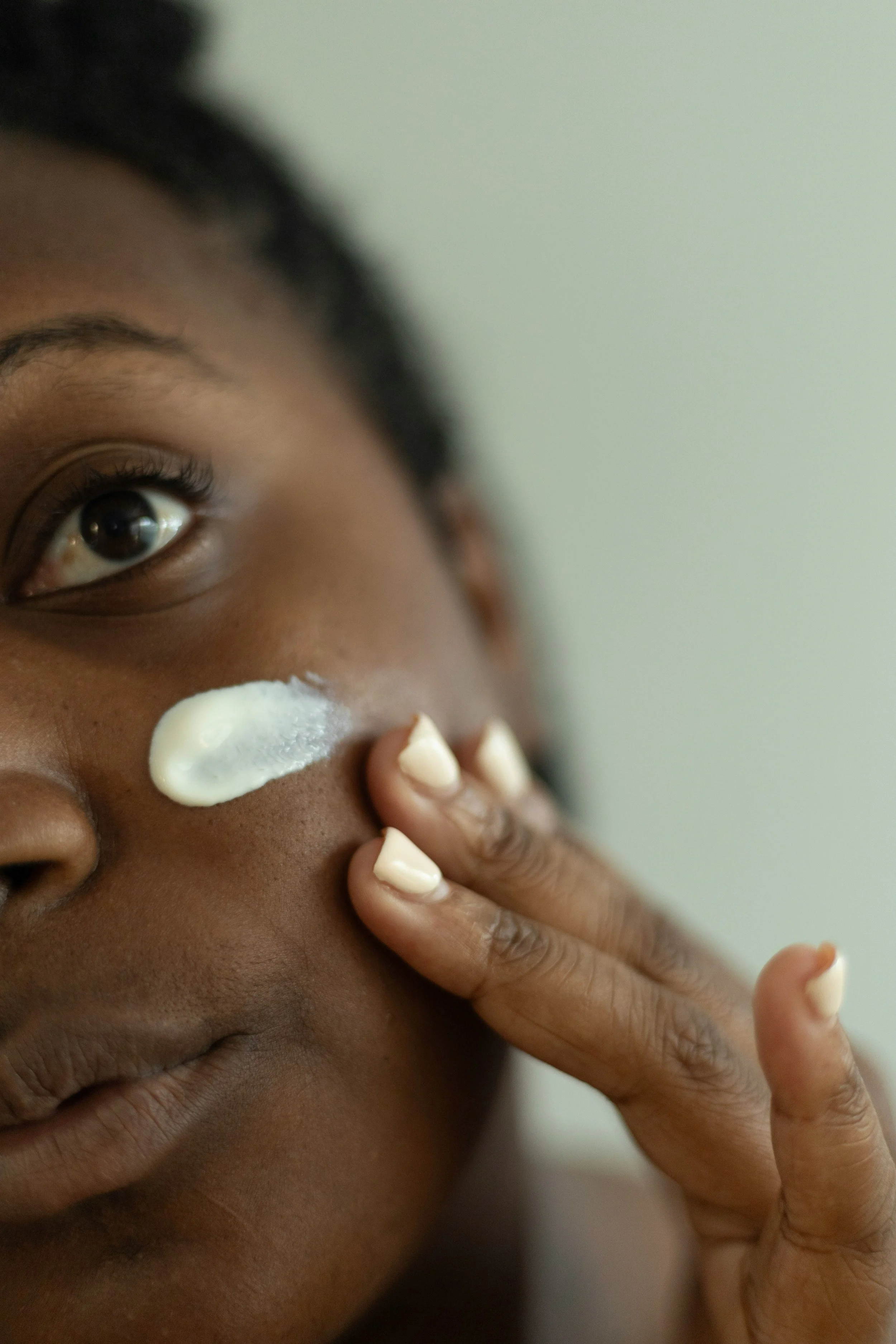
As crisp autumn air arrives, humidity levels often begin to drop. This can be a shock for skin that has adjusted to summer moisture and warmth. Fall is the ideal time to repair, rebalance, and prepare your skin for the colder months ahead.
Start by slowly adding more hydration back into your routine. You may not need your richest winter cream yet, but a slightly thicker moisturizer can help protect your skin as the air becomes drier. This is also a good time to pay attention to any lingering effects from summer, such as dullness, uneven tone, dark spots, or dehydration.
Fall can also be a helpful season to introduce ingredients like retinol, especially if you are interested in supporting cell turnover, smoothing texture, or addressing signs of aging. Since sun exposure may be less intense than it is during peak summer, some people find fall a better time to start treatments that can make the skin more sensitive to light.
However, sunscreen is still important. Even when the weather feels cooler, UV rays can still affect your skin. Continue wearing SPF daily, especially if you are using exfoliants, retinol, or other active ingredients. Understanding how your skin is adjusting to different climates is a big part of keeping it healthy all year. Fall gives you the chance to strengthen your routine before winter dryness fully sets in.
05) When to Consult an Expert
Seasonal skincare swaps can help with many common concerns, but some skin issues need professional guidance. If you are dealing with persistent acne, severe dryness, irritation that will not calm down, rosacea flare-ups, eczema, sudden sensitivity, or changes in moles or pigmentation, it is best to speak with a dermatologist or licensed skincare professional.
An expert can help you understand what is actually happening with your skin. They can recommend specific treatments, prescription products, in-office procedures, or a more targeted routine based on your skin type and concerns. This can be especially helpful if you have tried several products without seeing improvement.
It is also worth getting professional advice before introducing strong active ingredients, especially if your skin is sensitive or reactive. Your skincare routine should support your skin, not overwhelm it. If your skin is consistently uncomfortable, inflamed, or changing in a way that concerns you, do not ignore it.
Takeaway
Listening to your skin is the most important part of any routine. Your skin’s needs can change from season to season depending on the weather, humidity, sun exposure, indoor heating, and your lifestyle. A product that works perfectly in one climate may not be the best choice in another, and that is completely normal.
The key is to make small, thoughtful changes. Use lighter products in hot, humid weather; focus on richer hydration during colder months; refresh your routine in spring; and prepare your skin for dryness in fall. These simple seasonal swaps can help your skin stay more balanced, comfortable, and healthy all year long.
A good skincare routine is not about using the most products. It is about using the right products for what your skin needs right now.
What is one skincare product you always switch when the weather changes?












Learn how to build a simple skincare routine focused on cleansing, moisturizing, sun protection, and targeted treatments when you actually need them. A minimalist approach can make it easier to support your skin barrier, avoid unnecessary irritation, and keep your skin healthy and hydrated without filling your bathroom with products.