
How to Care for Aging Skin: A Modern Healthy-Aging Guide
sharing is caring :)
Disclaimer: Je’Ana C. curates the Shades of Tatiana product selections. We only recommend products we genuinely love. If you buy something through our affiliate links, we may earn a small commission at no cost to you.
Aging changes your skin, but it also changes much more than what you see in the mirror. Strength, sleep, recovery, energy, health needs, and even the way you think about yourself can evolve throughout adulthood.
No skincare routine, supplement, or aesthetic treatment can stop biological aging. Healthy aging also doesn't require trying to look exactly the way you did ten or twenty years ago.
A more useful approach is taking care of the skin and body you have now. Protect your skin from preventable damage, watch for changes that need medical attention, maintain habits that support your overall health, and decide for yourself which cosmetic concerns are worth addressing. The result isn't "anti-aging" in the literal sense. It's a routine that helps you feel comfortable, capable, and confident as your needs change.
RELATED ARTICLE:
Aging Skin Care Guide
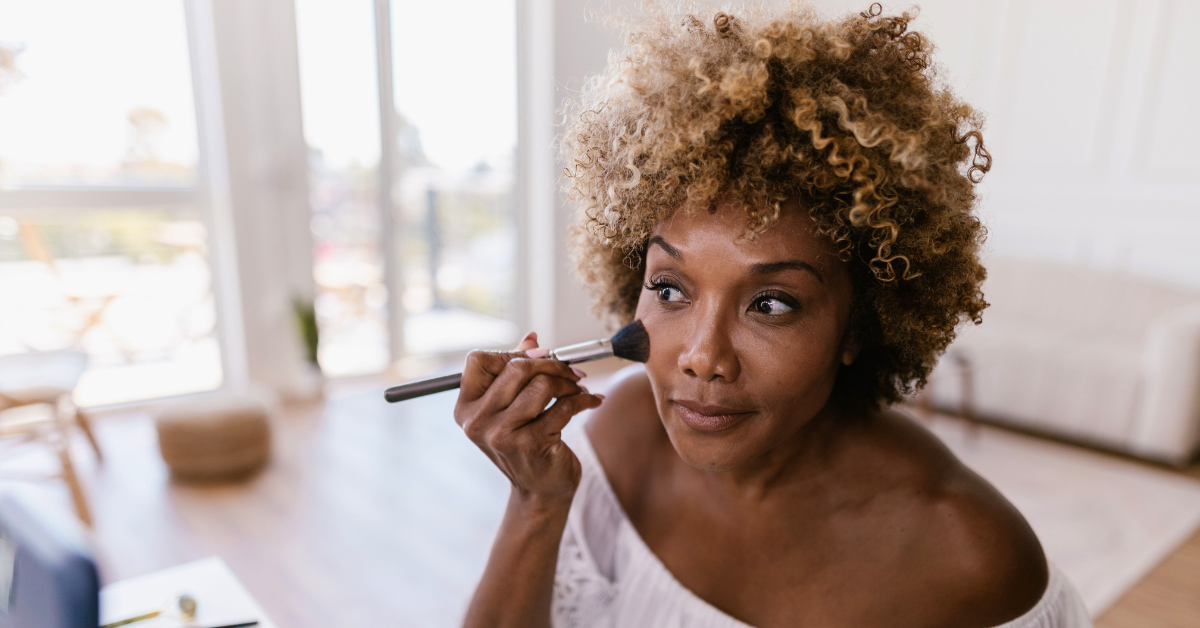
Photo by RDNE Stock project
01) Let Your Approach to Aging Change With You
Your body naturally changes throughout adulthood. Skin may become thinner, drier, or less elastic over time. Fine lines and pigmentation can become more noticeable, while changes in muscle mass, bone health, recovery, and energy may affect how you feel physically. How quickly those changes appear varies considerably. Genetics play a role, but so do cumulative sun exposure, smoking, medical conditions, medications, nutrition, sleep, physical activity, and other aspects of your health and environment.
Rather than measuring healthy aging only by appearance, pay attention to how you're functioning in everyday life. Can you comfortably carry groceries? Walk through your neighborhood? Can you get up from a chair or the floor? Participate in hobbies you enjoy? Recover reasonably well after physical activity? Those abilities can tell you much more about your quality of life than whether you've developed another fine line.
Guidance on aging with confidence also highlights the importance of habits such as staying physically active, maintaining social relationships, and keeping up with appropriate healthcare. Acceptance doesn't mean you have to love every physical change. You can appreciate yourself as you are while treating dry skin, changing your hairstyle, wearing makeup differently, or exploring an aesthetic procedure because you want to.
For another perspective on balancing appearance with self-acceptance, this discussion of the art of aging gracefully reminds us that growing older doesn't require disappearing into an entirely different version of yourself.
02) Build Lifestyle Habits That Support Healthy Aging
Skincare products can address your skin, but healthy aging involves the entire body. Regular movement is one of the most useful places to start. Depending on your health and abilities, combining cardiovascular activity with strength and balance work can support mobility, muscle, endurance, and independence over time. That doesn't mean you need an intense fitness schedule.
Your routine might include walking several days a week, two resistance-training sessions, and simple balance exercises. If you have a medical condition, injury, mobility limitation, or haven't exercised in a while, talk with an appropriate healthcare professional about what level of activity is suitable for you.
Nutrition matters too. Instead of pursuing restrictive diets in the name of longevity, build meals around a varied combination of foods that provide protein, fiber, carbohydrates, fats, vitamins, and minerals. Adequate protein intake becomes especially important as you get older, especially alongside resistance exercise.
Hydration, adequate food intake, and meals you genuinely enjoy also matter. These science-backed longevity tips provide additional ideas around movement, nutrition, social connection, and preventive healthcare. Preventive care should change with you too. Screening recommendations aren't identical for everyone, so ask your healthcare providers which vaccinations, examinations, and screenings are appropriate based on your age, medical history, family history, and individual risk factors.
03) Understand How Aging Skin Changes
Skin is constantly renewing itself, but its structure and behavior change over time. As you age, skin can become thinner and produce less oil, which can contribute to dryness and increased sensitivity for some people. Changes in collagen, elastin, and other skin components can also contribute to wrinkles, texture changes, and reduced firmness.
Then there's sun exposure. Ultraviolet radiation contributes significantly to many visible signs commonly associated with skin aging, including uneven pigmentation, fine lines, and changes in texture and elasticity. It also increases the risk of skin cancer. That's why one of the most useful long-term skincare habits isn't an expensive serum. It's sun protection. Use a broad-spectrum sunscreen with SPF 30 or higher on exposed skin and reapply according to the product instructions, particularly during prolonged outdoor activity, sweating, or swimming. Hats, shade, sunglasses, and sun-protective clothing can provide additional protection.
The rest of your routine can stay relatively simple. For many people, a good foundation includes:
A gentle cleanser
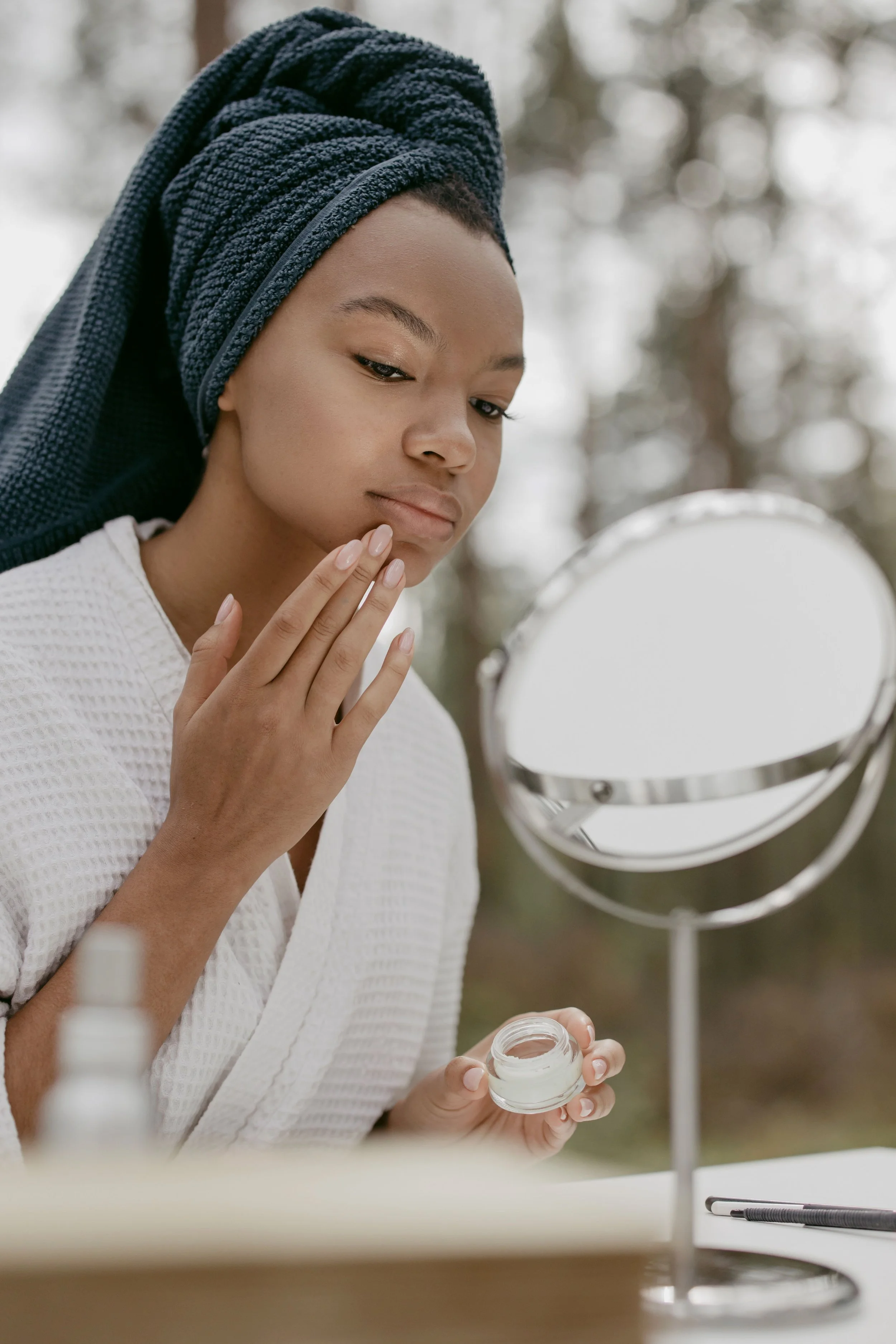
A moisturizer suited to their skin
Broad-spectrum SPF 30+ during the day
Additional targeted products when needed
Ingredients such as retinoids or retinol, vitamin C, niacinamide, and certain exfoliating acids can help with specific concerns, but you don't need all of them at once. Introduce new active ingredients gradually, and watch for irritation.
A dermatologist can also help if you're dealing with persistent dryness, acne, rosacea, pigmentation, or another concern that isn't responding well to an at-home routine. Remember, skincare isn't only cosmetic. A sore that won't heal, a new or changing growth, or a spot that noticeably changes in size, shape, color, or behavior deserves professional evaluation.
More in Beauty:

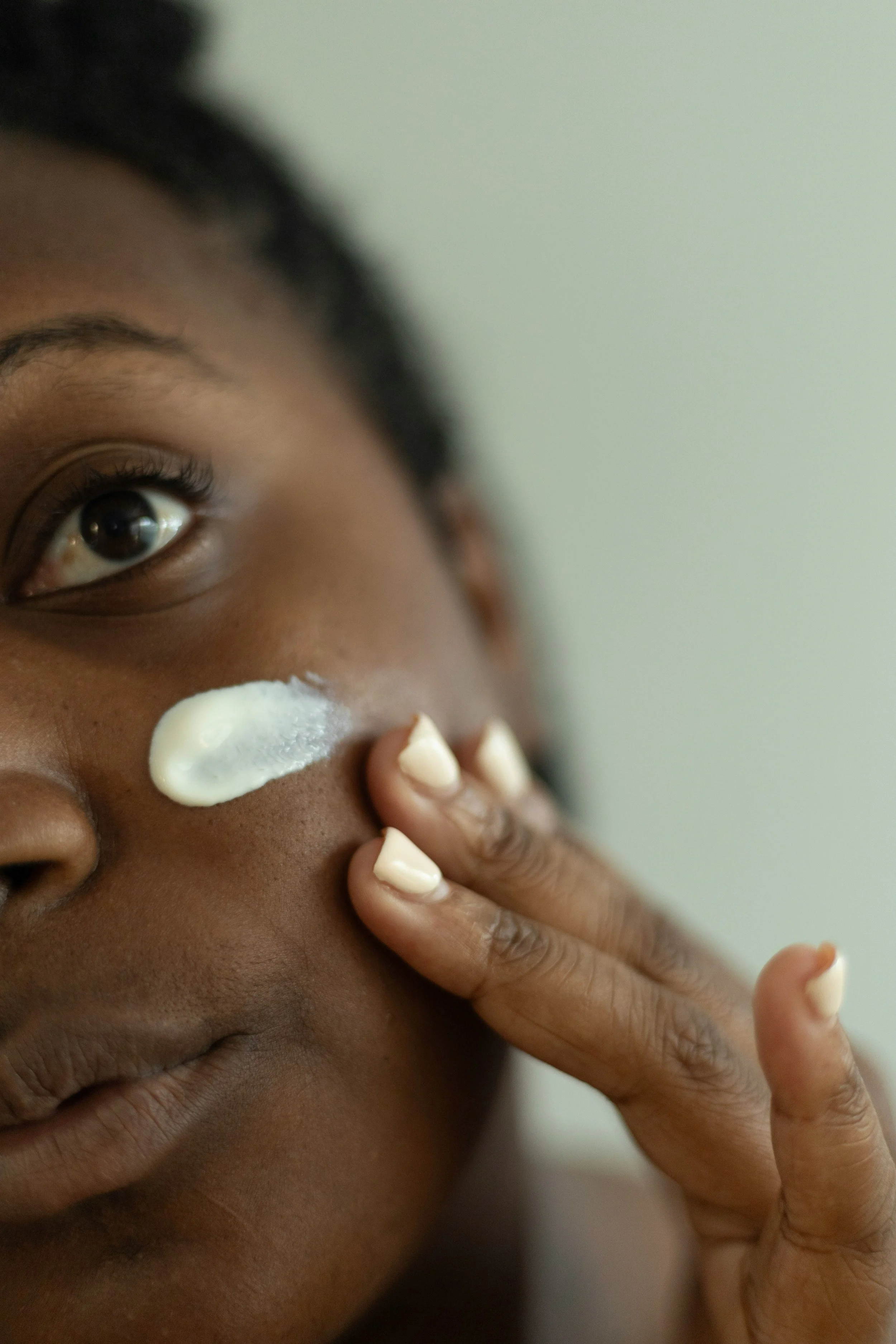
04) Approach Modern Aesthetic Treatments With Realistic Expectations
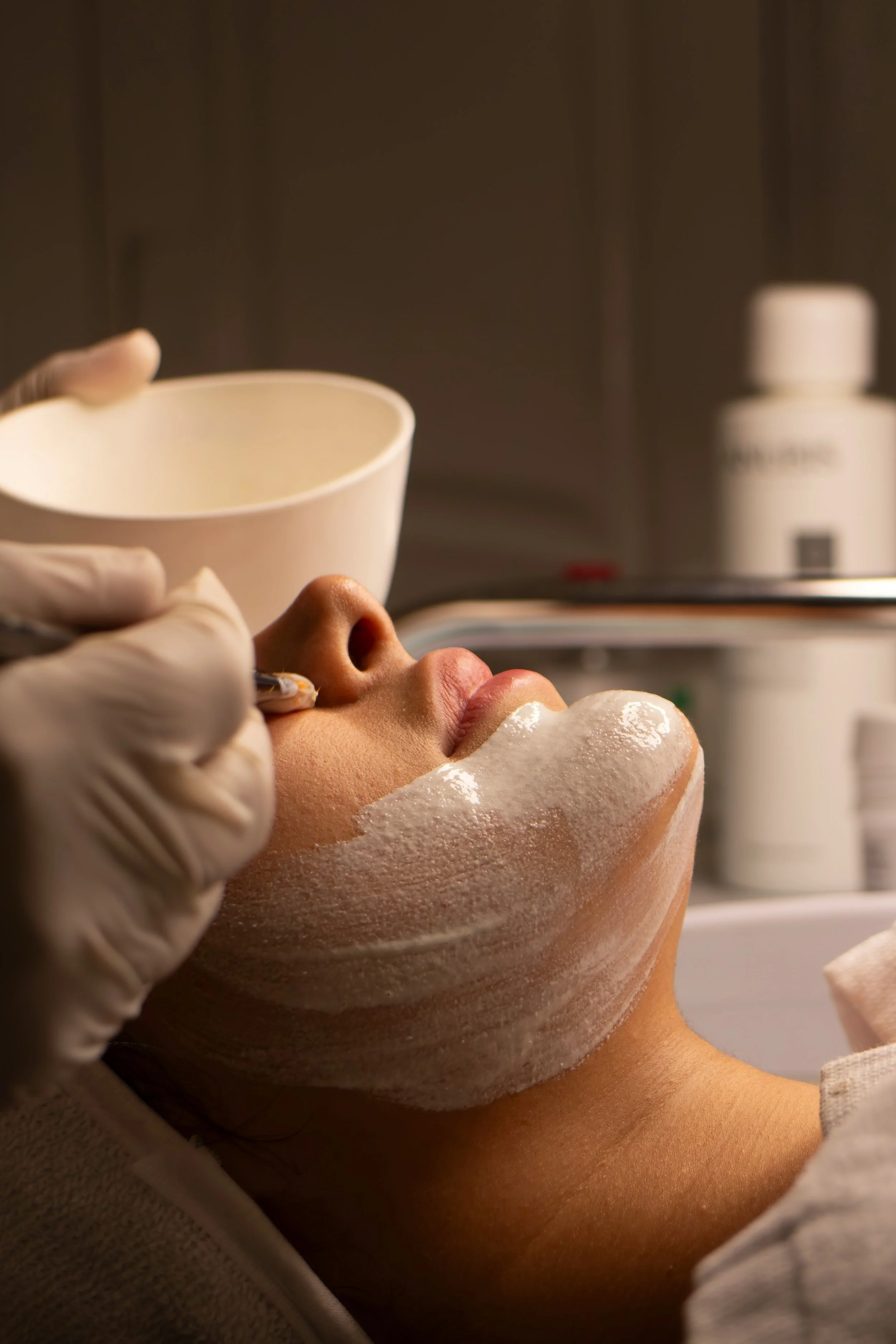
Today's aesthetic options extend far beyond basic creams and facials. Depending on your concerns, you may encounter prescription skincare, chemical peels, lasers, microneedling, neuromodulators, fillers, energy-based treatments, and a growing list of newer procedures.
None is universally "best." Fine lines, pigmentation, facial volume changes, visible blood vessels, dryness, and skin laxity involve different processes, so the right option depends on what you're hoping to address. If you're considering a procedure, start with the provider rather than the trend.
Ask:
Who will perform the treatment?
What qualifications and training do they have?
What evidence supports this treatment for my concern?
What results are realistic?
How much downtime should I expect?
What are the potential risks and complications?
What happens if I don't like the result?
How many sessions may be necessary?
What will the full treatment cost?
Be especially cautious with newer therapies that are heavily promoted online before strong evidence or clear regulatory guidance is established. For example, you may come across options such as a ghk-cu peptide injection. GHK-Cu is a copper-binding peptide studied in areas related to skin and tissue biology, but that doesn't mean every injectable use marketed for cosmetic or wellness purposes has the same level of evidence, approval, or established safety.
Before considering an injectable peptide or another emerging treatment, ask a qualified healthcare professional what evidence supports that specific use, whether the product and route of administration are appropriately regulated, and what risks are known.
The same healthy skepticism applies to products promising dramatic "age reversal." Aesthetic care can be a personal choice, but it doesn't replace sunscreen, basic skincare, sleep, movement, preventive healthcare, or the other habits that support your overall well-being. Prevention's collection of expert healthy-aging tips offers a broader perspective on self-care beyond cosmetic treatments alone.
05) Make Sleep, Stress, and Connection Part of the Plan
Healthy aging isn't only physical. Emotional health, meaningful relationships, rest, purpose, and the ability to manage everyday stress can all affect how you experience getting older.
Sleep is a good place to begin. Your sleep patterns may change over time, but consistently poor sleep shouldn't automatically be dismissed as a normal part of aging. Give yourself enough opportunity to rest, maintain a relatively consistent schedule when possible, and talk with a healthcare professional if insomnia, excessive daytime sleepiness, snoring, or another ongoing sleep issue is affecting your life.
Stress management doesn't have to mean sitting perfectly still in meditation every morning. It might look like:
Taking a walk without your phone.
Gardening.
Journaling.
Stretching.
Reading.
Creating something.
Listening to music.
Spending time with people you enjoy.
Setting healthier boundaries around your time.
The best practice is usually the one you'll actually return to.
Social connection deserves just as much attention. Schedule calls with people you care about. Join a class, club, or community group. Volunteer. Maintain friendships across different stages of life. If retirement, caregiving, a move, or another transition has changed your social routine, look for intentional ways to rebuild connection.
Resources discussing longevity and daily habits can offer additional ideas, but no single wellness habit guarantees a longer life. Genetics, healthcare, environment, socioeconomic factors, and many other influences also matter. Finally, don't assume persistent anxiety, low mood, loneliness, or loss of interest is simply something you have to accept as you get older. Mental health concerns deserve support at every age.
Takeaway
Looking after your skin as you age isn't about trying to freeze yourself at a particular birthday. Protect your skin from excessive sun exposure. Moisturize when it feels dry. Choose targeted ingredients or professional treatments because they address what matters to you, not because aging itself needs correction.
Then look beyond skincare. Protect your strength. Stay active in ways your body can tolerate. Eat enough nourishing food. Prioritize preventive care. Give yourself opportunities for rest, manage stress realistically, and keep investing in relationships and activities that give your life meaning. Your needs will continue changing, and your routine can change with them.
Healthy aging leaves room for both acceptance and choice. You can care for the person you are becoming without spending every year trying to look like the person you used to be.
Learn how to care for your skin as you age with a realistic approach to sun protection, moisturizing, healthy lifestyle habits, and optional aesthetic treatments. Supporting your skin while maintaining strength, sleep, emotional well-being, and social connection can help you feel confident and comfortable through every stage of adulthood.