
5 Ways Professional Care Can Improve Your Beauty Routine
A bathroom cabinet filled with cleansers, serums, masks, and creams can make it feel like you already have everything you need for a good beauty routine at home. And in many ways, consistency with simple daily habits is one of the most important parts of taking care of your skin, hair, smile, and overall appearance.
But sometimes another product or tutorial isn't the answer. Maybe a skin concern isn't improving no matter how carefully you adjust your routine. Perhaps you're unsure which hair treatments actually make sense for your texture. Or you have a dental concern that can't be addressed with another drugstore whitening product.
That's where professional expertise can become useful. Bringing professionals into your self-care routine doesn't mean abandoning the things you already do at home. Instead, the right expert can help you understand your individual needs, identify when something requires professional attention, and create a more intentional approach rather than relying entirely on trial and error.
RELATED ARTICLE: Simple Summer Glow-Up Ideas to Feel Your Best
How to Build a Better Self-Care Routine With Professional Expertise
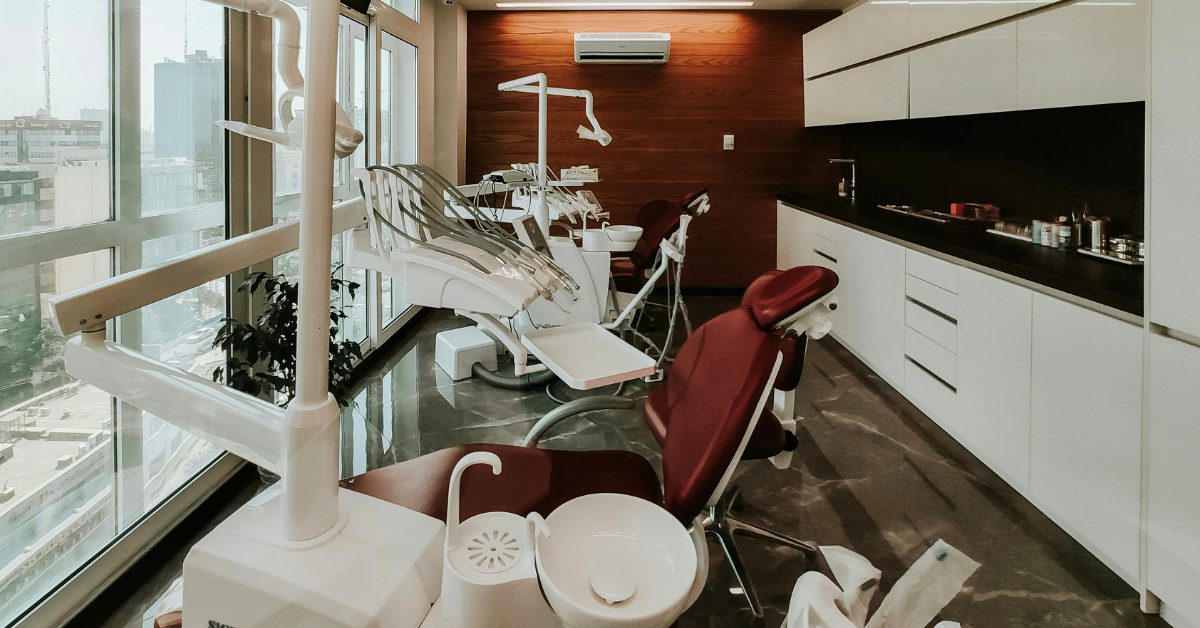
Photo by Sam Moghadam on Unsplash
01) Know When Your At-Home Routine Needs Extra Support
Your everyday routine creates the foundation. Consistently cleansing and moisturizing your skin, caring for your hair, brushing and flossing, getting enough rest, and following other basic habits can make a meaningful difference over time.
Even the most thoughtful skincare tips, however, won't address every concern. Sometimes, you simply need professional guidance. Persistent acne, significant irritation, unexplained changes in your skin, ongoing hair or scalp concerns, or dental problems are all examples of situations where continuing to experiment at home may not be the best approach.
The connection between self-care and skin care can make daily routines feel relaxing and personal, but self-care also includes recognizing when you need additional help. Depending on the concern, professional skincare may involve anything from an esthetician helping you build a routine to a dermatologist evaluating a skin condition and recommending appropriate treatment. Professional support shouldn't automatically mean doing more. Sometimes the most useful advice is actually simplifying your routine and removing products that aren't serving you.
02) Build a Team That Fits Your Actual Needs
You don't need an enormous roster of beauty professionals or a calendar packed with appointments to take good care of yourself. Think instead about the areas where professional expertise genuinely adds value.
Your personal self-care team might include:
A hairstylist: Someone familiar with your hair texture, maintenance preferences, and lifestyle can help you choose cuts, color, and treatments you can realistically manage between appointments.
An esthetician or dermatologist: An esthetician may help with cosmetic skincare and certain treatments, while a dermatologist is a medical professional who can diagnose and treat skin conditions.
A dental professional: Routine exams and preventive care help protect your oral health, while additional treatment can address functional or cosmetic concerns when appropriate.
Finding professionals you trust matters just as much as finding the service itself. A practice such as Dr Raymond Platon & Associates can make all the difference in keeping your oral health and smile looking great for years to come. Building this team takes time. It involves researching, reading reviews, and sometimes having a consultation or two before you find the right fit. The goal is to find professionals who listen to your goals, respect your budget, and make you feel empowered and cared for.
03) Combine Professional Skincare With a Simple Home Routine
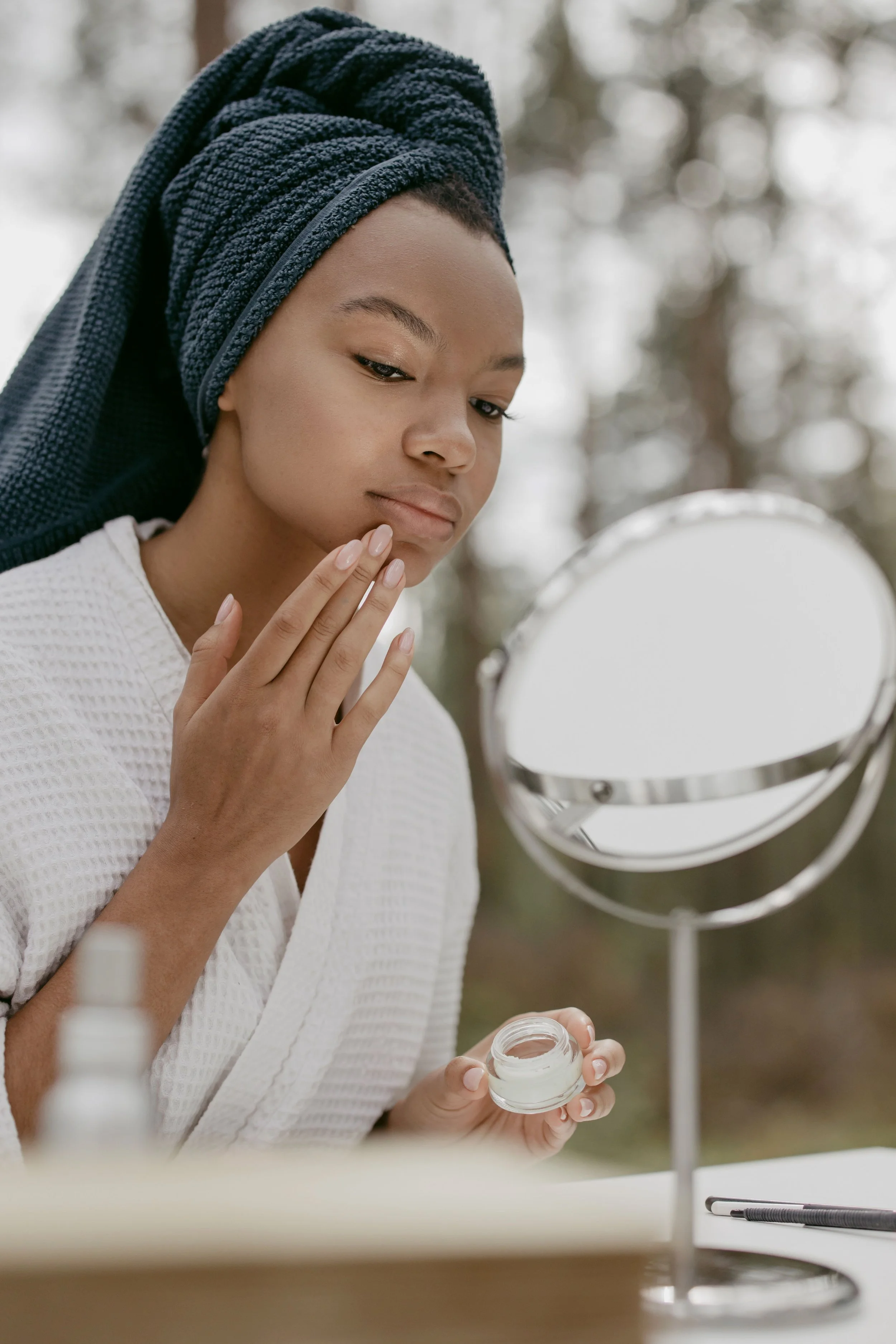
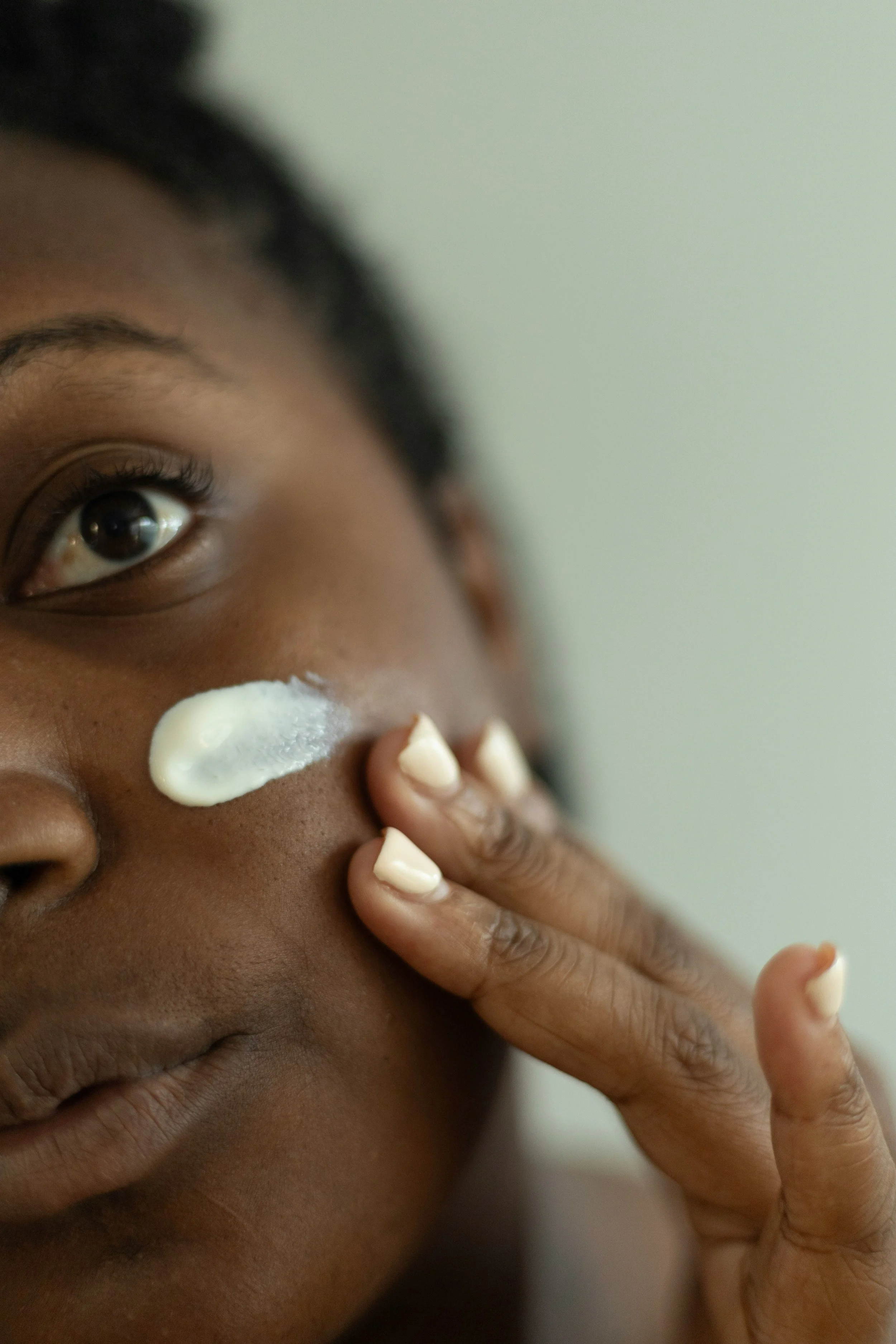
Skincare is one area where it's especially easy to assume that more products automatically mean better results. In reality, a consistent routine built around your skin's needs may be considerably more useful than constantly introducing new ingredients.
Turning your routine into a calming ritual is one reason people enjoy transforming your skincare routine, but professional guidance can become helpful when you have a particular concern or aren't sure what your skin needs.
Depending on your skin and goals, a qualified professional may discuss treatments such as:
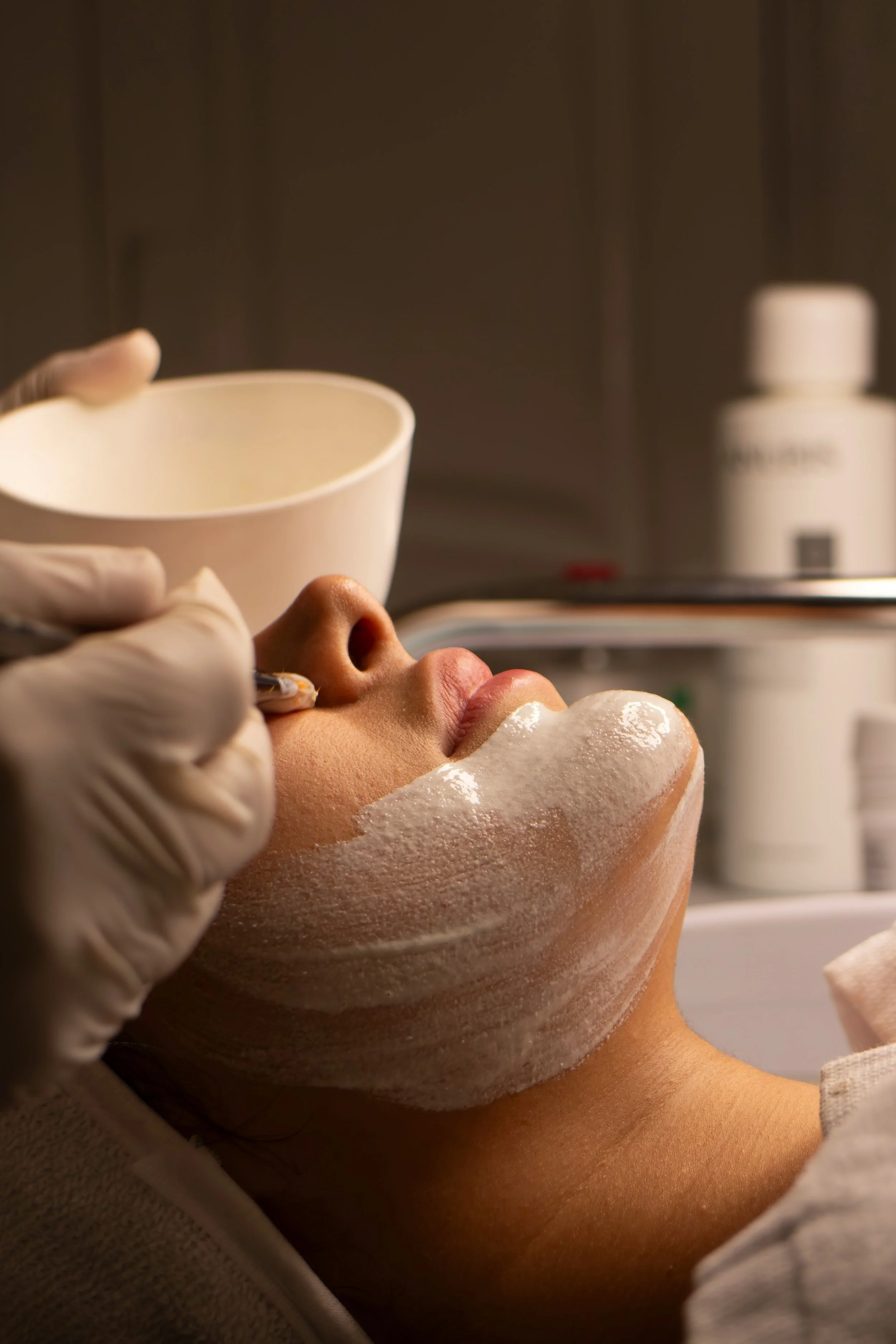
Chemical Peels: These use chemical exfoliating agents at different strengths to address specific cosmetic concerns. Professional guidance is particularly important because not every peel is appropriate for every skin type.
Microdermabrasion: This exfoliating treatment removes some of the outermost dead skin cells and may temporarily improve the appearance and texture of the skin for suitable candidates.
LED Light Therapy: Different wavelengths of light are used for different skincare purposes, although results can vary depending on the device, concern, and treatment plan.
You don't need any of these treatments simply because they're popular. If you choose professional skincare, ask what a treatment is intended to accomplish, what evidence supports it, how much downtime is involved, what side effects are possible, and what you'll need to do afterward. Your at-home routine should then support your skin between appointments instead of competing with professional treatment through unnecessary exfoliation or too many active ingredients.
More in Beauty:

04) Treat Dental Care as Health Care First
Your smile can influence how you feel about your appearance, but dental care should begin with health and function rather than pursuing a particular aesthetic. Brushing, cleaning between your teeth, and attending appropriate dental appointments remain the foundation. If you have cosmetic concerns beyond that, a dental professional can help you understand which options are appropriate for your teeth and oral health.
Professional whitening, for example, may be an option for certain types of staining, but it isn't appropriate for every discoloration concern and results vary. A dentist can also help identify whether sensitivity, restorations, or an underlying dental issue should be addressed before whitening. More involved cosmetic or orthodontic treatments require even more consideration. Veneers alter the visible surface of teeth and are generally a much bigger commitment than whitening. Clear aligners can move teeth for suitable candidates, but treatment should be professionally planned and monitored.
The goal shouldn't be creating a supposedly flawless smile. If you decide to pursue cosmetic dentistry, it should be because the treatment makes sense for your individual needs and is something you genuinely want, not because you feel that normal variations in teeth need to be corrected. Professional dental care is most valuable when it helps you protect your oral health, preserve function, and make informed choices about any cosmetic changes you're considering.
05) Make Professional Care Fit Your Budget and Priorities
Professional self-care doesn't have to involve booking every trending beauty treatment. A sustainable routine starts by deciding what actually matters to you. Begin with essential health-related care, then determine where optional beauty services fit within your priorities and budget. A dental examination, a dermatologist visit for a persistent concern, and a purely cosmetic facial don't necessarily belong in the same category.
When starting a self-care routine, think about what you can realistically maintain rather than creating an ideal schedule that becomes stressful or financially uncomfortable.
You might:
Budget separately for routine health care and optional beauty treatments.
Schedule recurring appointments in advance when you know you'll need them.
Ask for the full cost of a treatment before committing.
Find out how often a service actually needs to be repeated.
Compare providers rather than automatically choosing the cheapest or most expensive option.
Avoid financing optional cosmetic services unless you're comfortable with the total cost and repayment terms.
Permit yourself to decide that a treatment simply isn't worth the expense.
Professional care should support your life, not become another source of pressure. Sometimes an expert appointment leads to a treatment. Other times, it gives you information, reassurance, or a much simpler plan to follow at home. Both can be valuable outcomes.
Takeaway
A self-care routine that works isn't necessarily the one with the most products, appointments, or complicated steps. It's the one that addresses your actual needs and feels sustainable enough to maintain.
Your everyday habits still matter. Consistent skincare, hair care, oral hygiene, sleep, nutrition, and other routines create the foundation. Professional expertise can complement those habits when you need personalized advice, specialized treatment, or help addressing something that isn't improving on its own.
Be selective about the professionals you trust and the treatments you choose. Ask questions, understand the benefits and limitations, consider the cost, and make decisions based on your needs rather than whatever is trending. The goal of professional care shouldn't be chasing perfection. It should be helping you make more informed choices about how you care for yourself.
Learn how to care for your skin as you age with a realistic approach to sun protection, moisturizing, healthy lifestyle habits, and optional aesthetic treatments. Supporting your skin while maintaining strength, sleep, emotional well-being, and social connection can help you feel confident and comfortable through every stage of adulthood.