
6 Tips for Staying Stylish, Dry, and Comfortable Outdoors
sharing is caring :)
Disclaimer: Je’Ana C. curates the Shades of Tatiana product selections. We only recommend products we genuinely love. If you buy something through our affiliate links, we may earn a small commission at no cost to you.
A sudden downpour, chilly wind, or unexpected temperature drop doesn't have to ruin your plans or your outfit. With a little preparation, you can build an outdoor wardrobe that keeps you comfortable while still feeling like your personal style.
Weather-ready dressing has also come a long way from oversized raincoats and bulky outdoor gear. Waterproof jackets now come in everything from streamlined trenches to sporty shells, while weather-resistant boots, packable layers, and practical accessories make it easier to prepare for unpredictable conditions without looking like you're headed on an expedition.
The key is choosing pieces that serve a real purpose. Instead of buying separate outfits for every possible forecast, build around versatile layers, reliable outerwear, and accessories you can easily add or remove throughout the day.
RELATED ARTICLE: How to Build a Wardrobe You’ll Actually Love (and Look Effortlessly Stylish)
How to Stay Stylish and Comfortable in Rainy Weather
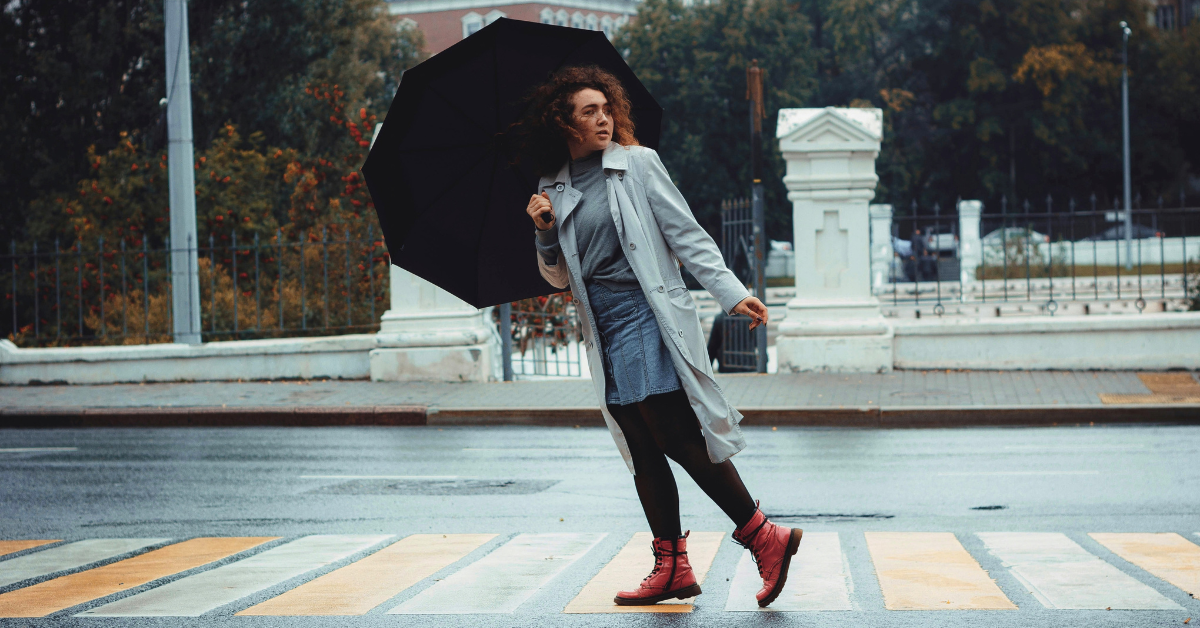
Photo by Timur Romanov on Unsplash
01) Dress for the Weather Without Giving Up Your Style
Part of feeling comfortable outside is simply knowing you're prepared. There are plenty of ways to stay comfortable outdoors, but your clothing can make a particularly noticeable difference when conditions change unexpectedly. Rain and wind feel much less disruptive when you aren't immediately worrying about soaked shoes, damp clothes, or whether your jacket can actually handle the weather.
Preparation can also give you a little more freedom. A rainy afternoon might still be a great time for a walk through the city. A breezy beach trip can remain enjoyable when you've brought an extra layer. Even a misty hike feels different when you're focused on your surroundings instead of how wet your sleeves are getting. Being prepared can contribute to that everyday sense of capability and stronger self-belief. You know you've thought ahead and can adapt if conditions aren't exactly what you expected.
That doesn't mean you need to dress for the worst-case scenario every time you leave home. It simply means choosing clothes that help you enjoy your plans instead of constantly adjusting them around the forecast. And style can absolutely remain part of the equation. Choose silhouettes, colors, and accessories you would want to wear even if the weather weren't the deciding factor.
02) Build Around a Few All-Weather Essentials
A functional outdoor wardrobe doesn't need to be enormous. Start with a few pieces that can work across different outfits and conditions. For more inspiration on balancing practicality with personal style, an outdoor wear style guide can help you think about outdoor clothing as part of your wardrobe rather than a completely separate category.
A few useful staples include:
A Waterproof Jacket: Pay attention to the label terminology. "Water-resistant" usually means a garment can handle some light moisture, while a properly waterproof jacket is designed for more sustained exposure. Features such as seam sealing, adjustable cuffs, a useful hood, and breathable construction can make a major difference. Choose a cut you genuinely like, whether that's a classic trench, cropped shell, longer parka, or sporty rain jacket.
Weather-Appropriate Footwear: Wet feet can make an otherwise enjoyable day miserable. Waterproof boots are an obvious option, but you can also find weatherproof Chelsea boots, hiking-inspired shoes, and waterproof sneakers that blend easily into everyday outfits. Think about traction too, particularly if you'll be walking on wet pavement, mud, or uneven ground.
Protective Accessories: Smaller pieces can have a surprisingly big effect on comfort. A brimmed hat can help keep rain off your face, while a scarf or neck gaiter adds warmth without another bulky layer. If cold, wet hands are usually your biggest complaint, waterproof Sealskinz gloves are one option for adding extra protection when the weather calls for it.
Neutral outerwear is easy to combine with different outfits, but don't feel limited to black, navy, or olive. A bright raincoat or colorful waterproof boot can become the statement piece instead.
03) Learn How to Layer for Changing Conditions
Layering is one of the easiest ways to stay comfortable when temperatures change throughout the day. Instead of relying on one heavy item, you can combine several lighter layers and add or remove them based on your activity level and the weather. Following proper layering strategies usually involves thinking about three basic parts.
1. The Base Layer
Your base layer sits directly against your skin. In cooler weather or during active outdoor plans, moisture-managing fabrics can help keep sweat from sitting against your body.
Merino wool and certain synthetic fabrics are popular options. Cotton can be perfectly comfortable in mild, dry conditions, but it tends to hold onto moisture, which can make it less practical during cold, wet, or high-exertion activities.
2. The Mid-Layer
This is where most of your insulation comes from. Your ideal mid-layer depends on both the temperature and how active you'll be. Fleece works well for casual walks and changing weather because it's lightweight and easy to layer. Wool sweaters can provide warmth while fitting naturally into everyday outfits.
For colder conditions, down or synthetic insulated jackets and vests can provide significant warmth without requiring a heavy coat.
3. The Outer Layer
The outer shell protects the layers underneath from rain and wind.
Your needs will depend on the forecast. A lightweight wind-resistant shell may be plenty on a dry but breezy day, while sustained rain calls for something genuinely waterproof.
The beauty of this system is flexibility. You might leave home wearing all three layers on a cool morning, remove your mid-layer by afternoon, and put it back on once the temperature drops again.
More in Fashion:



04) Pay Attention to Fit and Breathability
Waterproof clothing isn't particularly comfortable if you feel overheated the entire time you're wearing it. That's why breathability matters, especially if you're walking, hiking, commuting, or doing another activity that generates body heat.
Look at the entire design rather than relying on one technical label. Underarm vents, mesh-lined pockets, adjustable cuffs, two-way zippers, and lightweight materials can all make a jacket easier to regulate. The fit should also leave enough room for layers without being so oversized that the garment feels awkward.
Think about length based on how you'll use it. A shorter shell can be convenient for active outings, while a longer raincoat provides additional coverage during wet commutes or days when you'll be outside for extended periods. Your layers should work together too. If your waterproof jacket fits perfectly over a T-shirt but becomes restrictive once you add a sweater, it won't be nearly as useful when temperatures drop. Whenever possible, try outerwear on with the clothes you expect to wear underneath.
05) Take Care of Your Waterproof Clothing
Quality outerwear can last for years with proper care, but technical fabrics don't always respond well to the same routine you use for everyday laundry. Start with the garment's care label. Waterproof clothing often includes a Durable Water Repellent treatment, commonly called DWR, on the outer fabric. This treatment helps water bead up and roll away rather than immediately soaking into the face fabric.
Over time, dirt, oils, repeated wear, and washing can reduce how effectively that surface treatment performs. You may notice the outside of your jacket beginning to absorb water instead of beading it. That doesn't automatically mean the waterproof membrane has failed. Proper cleaning may help restore performance. Depending on the manufacturer's instructions, you may also be able to use heat to reactivate the existing DWR treatment.
If water still doesn't bead after proper cleaning and drying, you may need to renew the DWR finish with a product designed for technical outerwear.
A few basic rules can help:
Read the label first: Washing, drying, and temperature recommendations can vary between garments.
Use an appropriate cleaner: Some technical clothing manufacturers recommend specialty washes rather than conventional detergents.
Close fasteners before washing: Zippers, hooks, and similar closures can snag other parts of the garment.
Dry according to instructions: Don't automatically apply heat unless the garment's care instructions allow it.
Reapply DWR when needed: Use a compatible treatment and follow its directions carefully.
Taking care of the jacket you already own is often more useful than replacing it just because water stops beading as effectively as it once did.
06) Keep a Small Weather-Ready Kit
Preparedness doesn't mean carrying half your closet around. A few compact items can handle many everyday weather surprises. Consider keeping a small weather-ready kit in your car, office, or everyday bag with things like:
A compact umbrella
A packable rain jacket
An extra pair of socks
A lightweight scarf
A foldable hat
A small waterproof pouch for electronics or valuables
You can adjust the kit seasonally. Cold-weather months might call for gloves and a warm hat, while warmer months could mean keeping a lightweight rain shell and umbrella nearby instead.
Your everyday bag can help too. A tote or backpack with enough room for one extra layer makes changing weather much easier to manage. If the forecast looks questionable, tossing in a packable jacket takes only a few seconds. That little preparation can keep an unexpected shower from becoming the main event of your day.
Takeaway
Dressing for unpredictable weather doesn't mean choosing between style and comfort. Start with clothing that actually works for the conditions you're likely to encounter. Invest in reliable outerwear and footwear, learn how to layer, and choose accessories that solve the problems that bother you most, whether that's wet hands, cold ears, or soggy socks.
Then care for those pieces so they keep doing their job. You don't need a completely different wardrobe for rainy or windy days. A few versatile, functional pieces can work alongside the clothes you already love and help you feel more prepared when the forecast changes.
The next time the sky looks uncertain, you won't necessarily need to cancel your plans. You'll simply know what to wear.
Learn how to stay stylish, dry, and comfortable outdoors with practical tips for choosing weatherproof clothing, layering effectively, protecting your hands and feet, and caring for rainwear. A few versatile wardrobe essentials can help you feel prepared for rain, wind, and changing temperatures without sacrificing your personal style.