
5 Tips for Staying Comfortable During Outdoor Adventures
sharing is caring :)
Disclaimer: Je’Ana C. curates the Shades of Tatiana product selections. We only recommend products we genuinely love. If you buy something through our affiliate links, we may earn a small commission at no cost to you.
Spending time outdoors can be one of the best ways to step away from your normal routine, explore somewhere new, and enjoy a change of scenery. But even the most beautiful trail, campground, or scenic destination can become difficult to appreciate when you're too hot, cold, tired, thirsty, or uncomfortable.
Fortunately, enjoying outdoor recreation doesn't have to mean sacrificing comfort. A little preparation can make hiking, camping, kayaking, sightseeing, and other outdoor activities considerably more enjoyable.
The goal isn't to eliminate every inconvenience or turn an outdoor adventure into a luxury vacation. It's about anticipating your basic needs so you can focus less on sore feet, unpredictable weather, and missing supplies and more on the experience happening around you.
RELATED ARTICLE: Why Weekend Road Trips Make Great Travel Breaks
Outdoor Recreation Tips for a More Comfortable Adventure
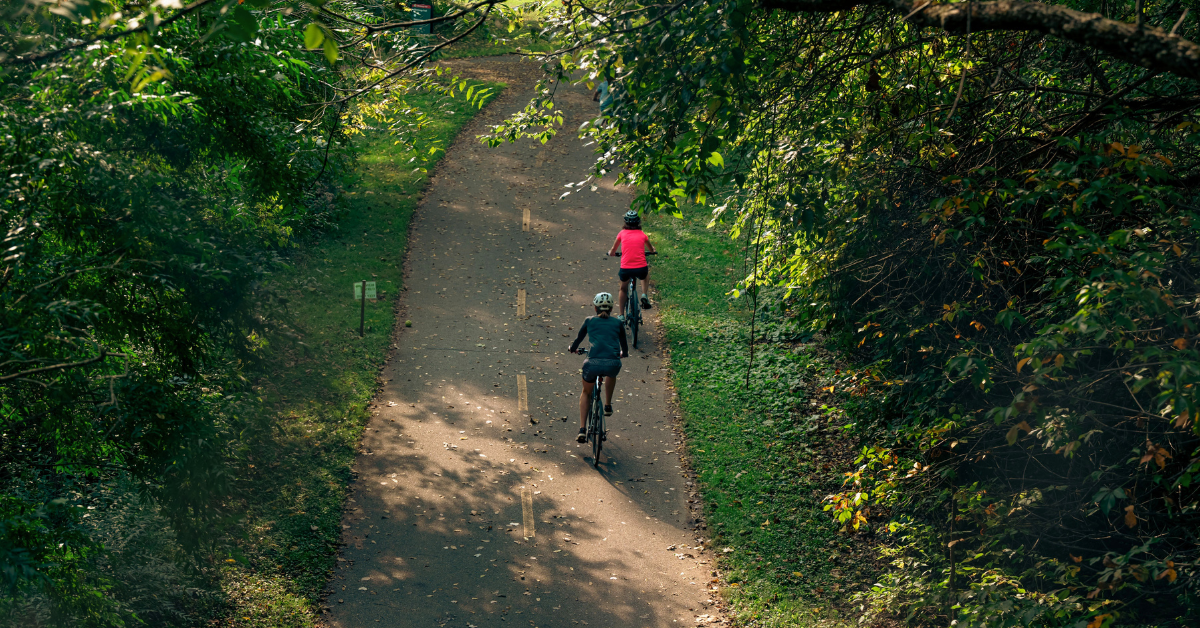
Photo by Chris F
01) Choose Gear That Keeps You Comfortable
The right clothing and equipment can make a significant difference in how comfortable you feel outdoors, particularly when weather conditions change throughout the day. Instead of relying on one heavy layer, dress in clothing you can easily add or remove. A moisture-wicking base layer can help manage sweat, a mid-layer can provide warmth, and an outer layer can protect against wind or rain when needed. This gives you more flexibility as temperatures and activity levels change.
Footwear deserves just as much attention. Choose shoes or boots appropriate for the terrain and make sure they're comfortable before wearing them on a long hike. Breaking in new footwear ahead of time can help you identify pressure points or fit problems before you're miles away from your starting point.
Bring a small daypack with the essentials you'll realistically need for your activity. Depending on where you're going, that might include sunscreen, insect repellent, a basic first-aid kit, water, snacks, an extra layer, and reliable navigation. Preparing the basics beforehand makes it much easier to stay active outdoors without preventable discomfort cutting your plans short.
02) Choose a Comfortable Place to Recharge
Comfort doesn't stop when the day's activity ends. Where you stay can strongly influence how refreshed you feel when it's time to head outside again. After hours of hiking, kayaking, biking, or exploring, having somewhere comfortable to shower, eat, relax, and sleep can make the next day much more enjoyable. This is part of what makes RV travel appealing to many outdoor enthusiasts. You can stay close to natural attractions while still having access to many everyday conveniences.
A well-equipped location such as Kings Bay RV Park can provide a home base where you can unwind after exploring the surrounding area. When comparing RV parks or campgrounds, look beyond location alone. Consider hookups, bathrooms, showers, laundry facilities, site size, shade, Wi-Fi if you need it, and proximity to the activities you're planning. Your ideal setup will depend on your travel style. Some people are perfectly happy with a basic campsite, while others enjoy extra comforts at the end of the day.
03) Keep Water and Food Within Reach
Outdoor activities can become much less enjoyable when you haven't packed enough water or food. How much you need will depend on factors such as the weather, activity intensity, trip length, and your individual needs, so plan before you leave rather than assuming you'll find supplies along the way.
Understanding how to stay hydrated is especially important for longer activities or trips in warm weather. Carry enough water for your plans and research whether safe refill points are available along your route. For longer or more remote adventures, make sure you understand how you'll access safe drinking water before setting out.
Bring easy-to-carry foods as well. Trail mix, nuts, dried fruit, sandwiches, fruit, granola bars, and other portable options can provide convenient fuel without taking up much room in your pack. The goal isn't to create a complicated outdoor meal plan. It's simply to avoid reaching the middle of your adventure tired, hungry, and realizing the snacks are still sitting on the kitchen counter.
More in Travel:



04) Give Yourself Time to Rest
Outdoor recreation doesn't need to become a test of how far or how quickly you can go. Pacing yourself can be especially important on longer outings, unfamiliar trails, or multi-day trips. Trying to fit too much into one day can leave you exhausted and make the rest of the experience less enjoyable.
Build short breaks into your plans. Stop somewhere scenic, drink some water, have a snack, or sit for a few minutes and take in your surroundings. Pay attention to how you're feeling. If you're becoming unusually fatigued, overheated, dizzy, or uncomfortable, don't feel obligated to keep going simply because you planned to reach a certain point.
Recovery matters between activities too. Change out of damp clothing, eat, rehydrate, get comfortable, and give yourself enough time to rest before another demanding day. A flexible itinerary often makes outdoor trips more enjoyable because you have enough energy to appreciate what you're doing instead of simply trying to finish it.
05) Make Comfort Part of the Experience
Comfort isn't about removing the adventurous part of outdoor recreation. It's about eliminating unnecessary distractions so you can actually enjoy where you are. When you're appropriately dressed, wearing comfortable footwear, carrying what you need, and giving yourself enough time to rest, there's more room to notice everything else. You can appreciate the view from a trail, listen to the water from your campsite, stop for photos without feeling rushed, or sit around a campfire with friends without spending the entire evening thinking about how uncomfortable you are.
Think about the small things that make outdoor time better for you personally. That could be bringing a lightweight camp chair, packing an extra pair of dry socks, carrying a portable charger, choosing a shaded campsite, or planning shorter excursions with more downtime. You don't need to make your experience difficult for it to count as an adventure. The best outdoor plans are often the ones that challenge you enough to feel exciting while still allowing you to genuinely enjoy yourself.
Takeaway
Enjoying outdoor recreation comfortably comes down to knowing what you'll need before you leave and permitting yourself to prioritize those needs once you're there.
Choose clothing and footwear that suit the activity, carry enough food and water, find accommodations that match your preferred level of comfort, and build enough rest into your plans that you aren't constantly pushing yourself to exhaustion.
You don't have to sacrifice comfort to experience nature, explore somewhere new, or have an adventurous trip. A little thoughtful preparation can give you more freedom to focus on the scenery, activities, conversations, and moments that made you want to get outside in the first place.
What's one comfort item you always bring with you on an outdoor adventure?






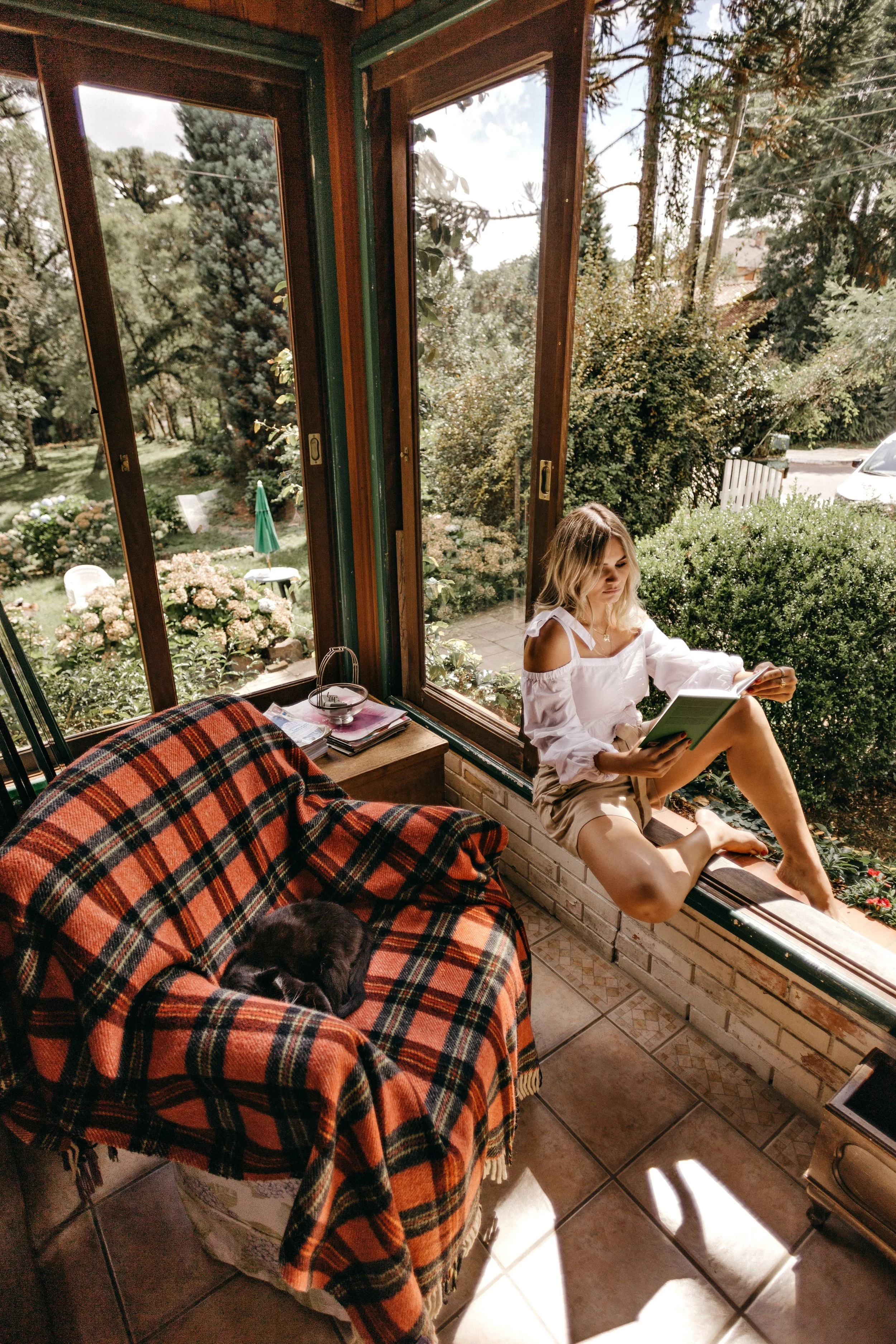

Learn how to stay comfortable while enjoying outdoor recreation with practical tips for choosing the right gear, staying hydrated, pacing yourself, and planning a comfortable place to rest. A little preparation can help you spend less time dealing with discomfort and more time enjoying your outdoor adventures.