
Intentional Living at Home: 5 Easy Ways to Start
sharing is caring :)
Disclaimer: Je’Ana C. curates the Shades of Tatiana product selections. We only recommend products we genuinely love. If you buy something through our affiliate links, we may earn a small commission at no cost to you.
It's easy for a home to slowly fill with things, habits, and routines you never consciously chose. A drawer becomes the place where everything gets tossed. You buy another decorative piece because it's cute, even though you aren't sure where you'll put it. Your phone follows you from the dinner table to the sofa and eventually into bed. Small household tasks get postponed until they become much bigger projects.
None of these things happen overnight. That's part of what makes intentional living so useful. Living intentionally at home isn't about becoming a minimalist, creating a perfectly organized space, or following a strict daily routine. It's about becoming more thoughtful about what you bring into your home, how you spend your time there, and whether your surroundings actually support the life you want to live.
Your version of an intentional home might be colorful and filled with collections. Someone else's might be simple and minimal. What matters is that your choices feel purposeful, not automatic. Maybe you want your home to make relaxing easier. Perhaps you want less clutter, fewer digital distractions, more family time, or routines that prevent everyday household responsibilities from constantly piling up. You don't have to change everything at once.
Here are five practical ways to start creating a more intentional home around your own priorities, habits, and lifestyle.
RELATED ARTICLE: How to Manage Stress Naturally and Boost Your Energy
How to Practice Intentional Living at Home
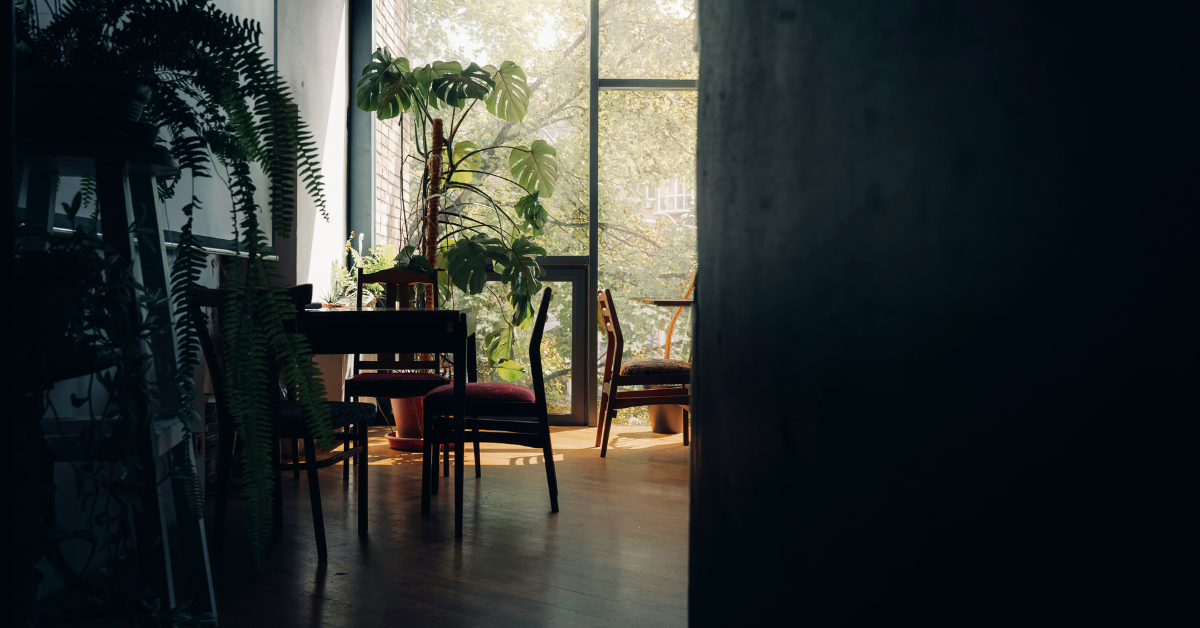
Photo by Maksym Tymchyk 🇺🇦 on Unsplash
01) Be More Selective About What Comes Into Your Home
Intentional living can begin before something even crosses your front door. It's easy to declutter while still bringing new things home at the same rate. Instead, create a small pause between wanting something and buying it. Before purchasing something, ask yourself:
Do I actually need this?
Do I already own something that serves the same purpose?
Where will I put it?
Will I realistically use it?
Do I genuinely love it, or do I simply like it because it's trendy?
Would I still want it if it weren't on sale?
You don't need to interrogate yourself over every pack of paper towels, of course. The idea is to become more thoughtful about purchases that could easily turn into clutter later. You might also experiment with a "one in, one out" approach for certain categories. If you buy a new mug, decorative pillow, sweater, or kitchen gadget, consider whether you have an older version you no longer use that you could donate or pass along. This doesn't have to become a strict rule. Think of it as a reminder to pay attention to how much you're accumulating.
Choosing fewer items you genuinely enjoy can also give the things you already own more room to stand out. Instead of constantly refreshing your home because a new decorating trend appears online, gradually create a collection of furniture, decor, and everyday essentials that feels personal to you. A thoughtful home doesn't necessarily contain less. It simply contains fewer things that arrived there without much thought.
02) Create Spaces That Support How You Want to Feel
Your home serves many purposes. It's where you sleep, eat, relax, get ready, spend time with people you love, and possibly work too. Think about whether the spaces around you actually support those activities. For example, if you want to read, make sure the space is comfortable enough to do it. Place a chair near a lamp, keep your current book nearby, and make the spot easy to use. If your goal is slower mornings, create a small coffee or tea station and keep the kitchen counter clear enough that breakfast doesn't immediately feel chaotic. If you want somewhere to unwind at the end of the day, think about lighting, textures, sound, and comfort.
A soft blanket, comfortable chair, warm lamp, favorite candle, or quiet corner can be enough to transform part of an ordinary room into somewhere you naturally want to settle. You don't need a dedicated meditation room or elaborate wellness space. Even one corner can become a sanctuary when you intentionally give it a purpose. The same idea applies to areas that aren't specifically for relaxation. If your entryway constantly stresses you out because everyone drops their shoes, bags, and mail there, create a system that makes it easier to put those items away.
If you're working from home, create a place to put away work supplies at the end of the day. Intentional design isn't just about making a space attractive. It's about arranging your home so that the habits you want to practice become a little easier.
03) Stay Ahead of the Small Problems That Disrupt Your Home
Part of intentional living is taking care of the home you're already in. Maintenance isn't necessarily the most exciting part of creating a comfortable living space, but ignoring small problems can eventually make home feel considerably more stressful. Instead of waiting until something becomes urgent, create a basic maintenance rhythm.
That could include regularly:
Testing smoke and carbon monoxide detectors
Replacing HVAC filters when needed
Checking under sinks for leaks
Cleaning dryer vents and filters
Looking for signs of moisture or mold
Cleaning areas where food debris collects
Checking doors and windows
Addressing small repairs before they get worse
Pest prevention can be part of that routine too. Keeping food properly stored, cleaning spills and crumbs, taking trash out regularly, and addressing moisture or leaks can make your home less inviting to unwanted pests. If you've already noticed a pest problem, however, prevention alone may not be enough. Depending on the situation, researching an appropriate solution, such as DIY pest control roach control products may be one option, although persistent or significant infestations may require professional pest control.
Being intentional about your home isn't only about what it looks like when everything is clean. It's also about handling the less glamorous responsibilities that help the space remain functional, comfortable, and well cared for.
More in Living:





04) Decide Where Technology Belongs in Your Home
Digital clutter doesn't take up physical shelf space, but it can still change how your home feels. Emails arrive while you're eating dinner. Social media follows you onto the sofa. You open your phone to check one thing before bed and suddenly realize you've been scrolling for forty minutes.
Technology doesn't need to disappear for your home to feel more intentional. It just needs some boundaries. Start by deciding where you don't want your devices to dominate. The dining table may become phone-free during meals. You may charge your phone away from your bed instead of keeping it directly beside your pillow. If you work remotely, you might stop checking work messages once you close your laptop for the evening. Creating a mindful home can also mean being more conscious of when screens enhance your life and when they're simply filling every quiet moment.
Try small changes such as:
Turning off unnecessary notifications
Using Do Not Disturb during certain hours
Keeping phones away during family meals
Creating a screen-free period before bed
Choosing one evening activity that doesn't involve a device
Removing work apps from your personal phone when practical
Keeping televisions off when no one is actively watching
You don't need to create a completely tech-free home. The goal is to use technology intentionally rather than letting it automatically claim your attention whenever there's an empty moment.
05) Build Small Rituals That Make Home Life Feel Easier
Intentional living isn't only about what you buy, organize, or remove. It's also about the things you repeatedly do. Small home rituals can provide structure without requiring an elaborate routine. For example, you might:
Open the curtains as soon as you wake up
Make the bed before leaving the bedroom
Reset the kitchen after dinner
Spend ten minutes tidying before bed
Put your phone away during meals
Light a candle when the workday is over
Prepare tomorrow's coffee or breakfast the night before
Have a weekly family dinner
Water your plants every Sunday morning
Spend fifteen minutes planning the upcoming week
These rituals don't need to look impressive on social media. They're little patterns that make your home function more smoothly or help certain moments of the day feel more meaningful. Think about the parts of home life that currently create the most friction.
If mornings always feel rushed, what could you prepare the night before? If clutter accumulates throughout the week, could a ten-minute evening reset prevent it from becoming a weekend-long cleaning project? If everyone in the house seems to be in separate rooms with separate screens, could you create one regular meal or activity that brings everyone together? Instead of trying to copy someone else's perfect routine, create rituals around the problems you actually want to solve.
That's what makes them sustainable.
Takeaway
Intentional living at home isn't about controlling every detail of your environment. And it certainly doesn't mean your house has to stay perfectly clean, organized, quiet, or aesthetically coordinated all the time. Real homes get messy. Routines get interrupted. Laundry piles up. You buy something you later realize you didn't need. Some weeks the ten-minute evening reset simply isn't happening.
The goal is awareness, not perfection. Pay attention to what you're bringing into your home, how your rooms support your everyday habits, which maintenance tasks deserve attention, and how much space technology occupies in your routine. Then choose one area to improve. Maybe this week you stop making impulse decor purchases. Perhaps you finally create a comfortable reading corner, establish a phone-free dinner rule, handle a repair you've been postponing, or begin resetting your kitchen before bed.
Those choices may seem small individually, but together they create a home that feels much more aligned with the way you actually want to live.
What's one small change you could make at home to live a little more intentionally?








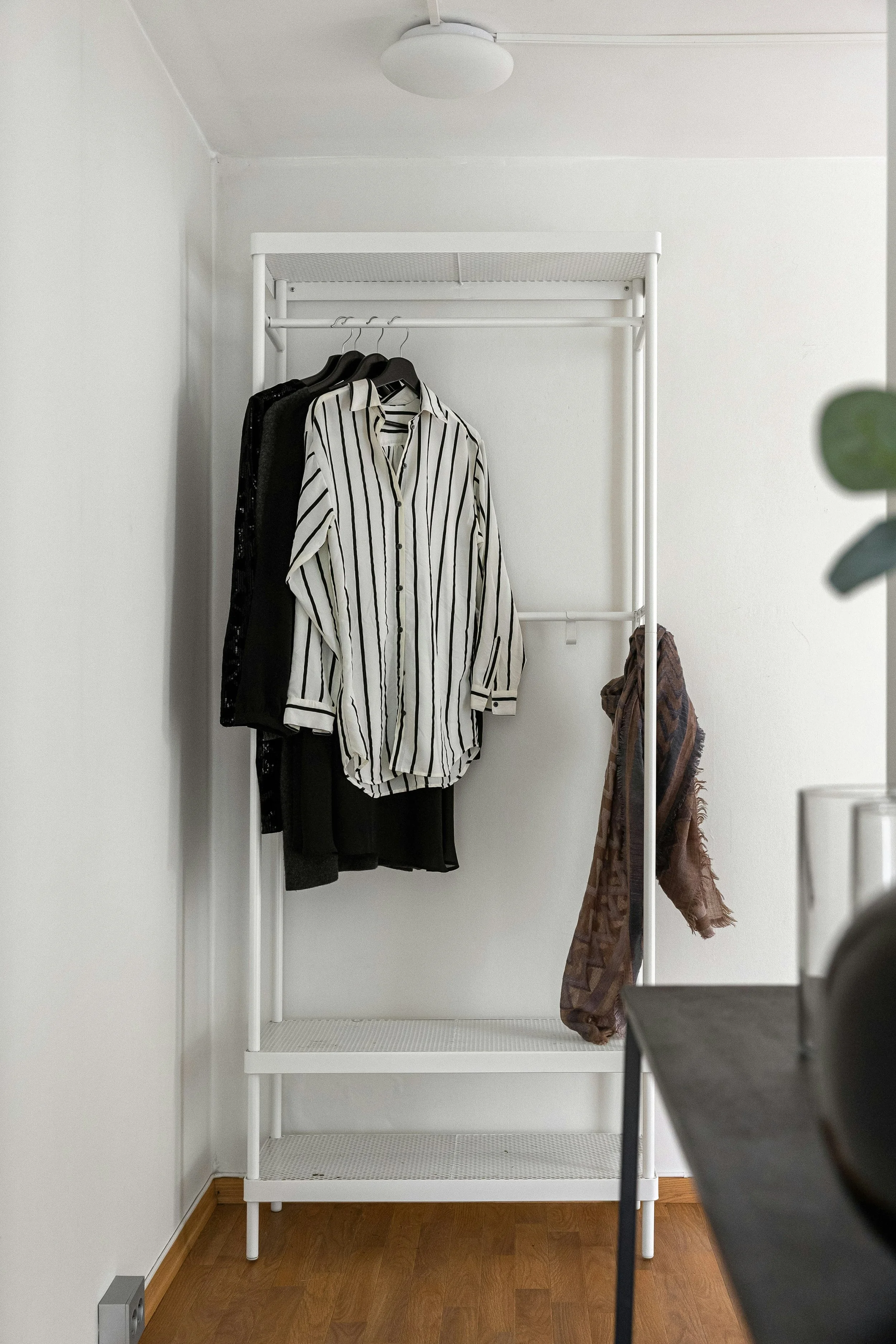

Learn how to stay motivated while working toward personal growth goals, even after the initial excitement wears off. From understanding what drives you to building accountability, creating realistic systems, and learning from setbacks, these practical strategies can help you keep making progress when motivation comes and goes.