
6 Ways Dental Health Can Become Part of Your Self-Care Routine
sharing is caring :)
Disclaimer: Je’Ana C. curates the Shades of Tatiana product selections. We only recommend products we genuinely love. If you buy something through our affiliate links, we may earn a small commission at no cost to you.
Self-care is often associated with skincare routines, exercise, better sleep, relaxing rituals, and mental health. But one important part of everyday wellness doesn't always get the same attention: your oral health.
Caring for your teeth and gums may not feel as relaxing as a face mask or quiet evening routine, but it's still an investment in yourself. Healthy teeth and gums can support everyday comfort, make it easier to eat and speak, and reduce the likelihood that untreated dental problems interfere with your life later.
Dental self-care also doesn't have to mean chasing perfectly white or perfectly straight teeth. It's about maintaining a good dental care routine, keeping up with appropriate professional care, and addressing concerns that genuinely affect your health, comfort, function, or confidence. When you start thinking about oral care as another part of caring for your body rather than an annoying obligation, those everyday habits can feel much more meaningful.
RELATED ARTICLE: 5 Simple Ways to Get a Brighter, Healthier Smile
How to Invest in Your Smile
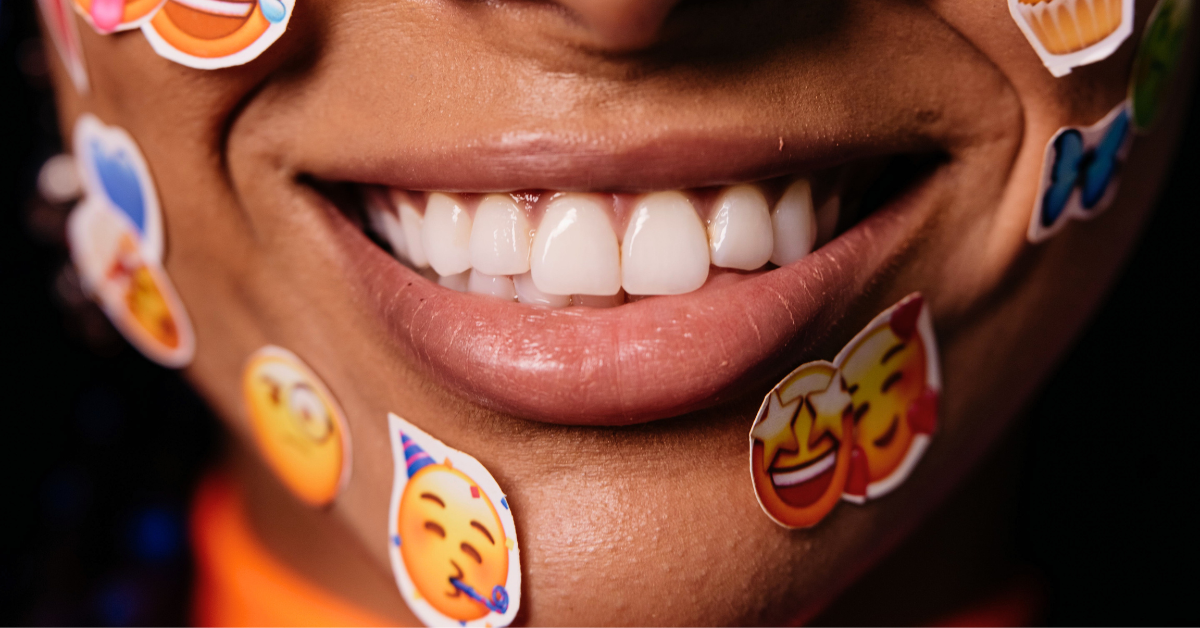
Photo by Pavel Danilyuk
01) Think Beyond How Your Smile Looks
Your smile is one of the many ways you express yourself. You use it when laughing with friends, meeting someone new, posing for a photograph, or simply reacting to something that makes you happy. Feeling comfortable with your smile can influence confidence, but that doesn't mean your teeth need to meet an unrealistic aesthetic standard.
A healthy smile comes in many forms. Your teeth may not be perfectly straight or uniformly white, and normal variations don't automatically require correction. Oral health starts with comfort and function: being able to eat, speak, and get through your day without persistent pain or untreated problems.
Looking after your smile can therefore be approached much like any other form of preventive self-care. You brush and clean between your teeth today partly to protect your future dental health. You attend appointments so you can identify and discuss potential problems. And when something hurts, changes, or doesn't feel right, you seek appropriate care instead of simply hoping it disappears. That's less about perfection and more about taking your own well-being seriously.
02) Build Daily Habits That Are Easy to Maintain
You don't need an elaborate collection of dental products to care for your mouth well. Consistency with the basics matters considerably more. Your individual routine may vary based on recommendations from your dentist, but generally useful habits include:
Brush consistently: Use fluoride toothpaste and take enough time to clean all accessible surfaces rather than rushing.
Clean between your teeth: Floss, interdental brushes, water flossers, or another dentist-recommended method can reach areas your toothbrush doesn't.
Drink water regularly: Water can help rinse away food particles and is a useful everyday beverage choice for oral health.
Be mindful of frequent sugary or acidic foods and drinks: How often your teeth are exposed can matter in addition to the amount consumed.
Clean your tongue if needed: Brushing or gently scraping the tongue may help reduce tongue coating and contribute to fresher breath for some people.
Keep up with professional care: Your dentist can recommend an examination and cleaning schedule that fits your oral health.
An electric toothbrush can also help if you prefer one, especially if features such as timers or pressure sensors help you brush more consistently. But you don't need the most expensive dental gadget available to maintain a solid routine. The best tools are usually the ones you can use properly and consistently.
03) Know When Routine Care Isn't Enough
Brushing and flossing are important, but they can't prevent or solve every dental problem. Injury, tooth decay, gum disease, genetics, medication effects, previous dental work, grinding, tooth loss, and other circumstances can create problems that require professional treatment.
That's another part of self-care: recognizing when something needs more than an at-home solution. If you're experiencing significant tooth loss or multiple complex dental problems, for example, your dentist may recommend consulting with entire mouth specialists or another appropriate dental professional to discuss your options.
Treatment isn't automatically about creating a cosmetically perfect smile. Depending on the problem, priorities may include restoring chewing function, relieving discomfort, replacing missing teeth, stabilizing oral health, or preventing additional damage. For more extensive treatment, ask questions before deciding what to do:
What problem is this treatment addressing?
What alternatives are available?
What are the benefits and potential risks?
How long might the treatment and recovery process take?
What maintenance will be required afterward?
What will the complete treatment cost?
Is treatment urgent, or do I have time to consider my options?
Major dental care can involve significant health and financial decisions. You deserve enough information to choose based on your needs, not pressure or fear.
More in Wellness:





04) Consider the Connection Between Your Smile and Confidence
Dental concerns can affect people in very different ways. Someone may feel completely comfortable with crooked or discolored teeth, while another person may become self-conscious because of a chipped tooth, noticeable tooth loss, staining, or another concern.
If something about your smile affects how you interact with others, it's reasonable to explore your options. You might find yourself covering your mouth when you laugh, avoiding photographs, or hesitating to smile during conversations. Addressing the underlying concern may help you feel more comfortable, especially if it also affects oral health or function.
People often talk about how confidence in your smile can create a ripple effect across your personal and professional life. However, confidence shouldn't be reduced to your teeth's appearance. Dental treatment can support confidence for some people, but it doesn't guarantee happiness, career success, or a completely different self-image. And you don't have to wait until your smile looks a certain way before allowing yourself to laugh, take pictures, meet new people, or feel good about yourself. You can work to improve something while still accepting yourself as you are today.
05) Remember That Oral Health Is Part of Overall Health
Your mouth isn't completely separate from the rest of your body. Research continues to examine the connection between oral health and overall health, including relationships between oral conditions and certain chronic health issues. For example, periodontal disease has been associated with conditions such as diabetes and cardiovascular disease. These relationships can be complex, however, and an association doesn't necessarily mean that one condition directly causes another.
What is clear is that oral health deserves to be treated as part of healthcare rather than purely as a cosmetic concern. Regular dental examinations may help identify tooth decay, gum problems, infections, abnormal changes in the mouth, and other issues that deserve attention. Dental professionals can also help you adjust your home-care routine based on what they're seeing rather than relying entirely on generic advice online.
If you have another health condition, take medications that affect your mouth, are pregnant, or notice significant changes in your oral health, make sure your healthcare and dental providers have the information they need. Caring for your mouth is part of caring for the whole person.
06) Make Dental Care Fit Into Your Version of Self-Care
Self-care shouldn't become another excuse to pressure yourself into buying more products, booking unnecessary cosmetic procedures, or pursuing someone else's idea of a perfect smile.
Instead, think about what your mouth actually needs. Maybe your next step is simply replacing your worn toothbrush and finally flossing consistently. Maybe you've been avoiding an overdue dental appointment. Perhaps you've had persistent sensitivity, bleeding gums, jaw discomfort, or tooth pain that deserves professional attention. Or maybe your oral health is already stable, and you're considering an optional cosmetic treatment because it's something you personally want.
Those situations don't all require the same response. Start with health and function. Then decide whether any cosmetic goals matter to you. You can also make dental care easier to maintain by building it into routines you already have. Keep floss somewhere visible. Replace toothbrush heads on a schedule. Add dental appointments to your calendar before leaving the office. Keep a note of questions you want to ask at your next visit.
Small systems often make consistent self-care much easier than relying on memory or motivation.
Takeaway
Investing in your smile doesn't have to mean spending thousands of dollars on cosmetic dentistry or trying to achieve flawless teeth. Often, the most valuable investment is much simpler. Brush consistently. Clean between your teeth. Keep up with appropriate professional care. Pay attention when something changes. Address dental problems before they become more complicated, and ask enough questions to understand your treatment options.
If you decide to make cosmetic changes too, make them because they're right for you, not because normal teeth are supposed to look perfect. Dental health is part of self-care because it's part of caring for the body you live in every day. The habits may feel small, but protecting your comfort, function, and health over time is an investment worth making.
What's one dental-care habit you're trying to do more consistently: brushing, flossing, drinking more water, or keeping up with appointments?






Discover how dental health can become a meaningful part of your self-care routine. From consistent oral hygiene and preventive dental visits to addressing concerns that affect comfort, function, or confidence, caring for your smile invests in your present and future well-being.