
How to Create a Relaxing Outdoor Space for Better Wellness
sharing is caring :)
Disclaimer: Je’Ana C. curates the Shades of Tatiana product selections. We only recommend products we genuinely love. If you buy something through our affiliate links, we may earn a small commission at no cost to you.
You don't need a sprawling backyard or an expensive outdoor renovation to create a space you enjoy spending time in. A small balcony, patio, porch, or patch of grass can become an extension of your home when you design it around comfort and how you actually live.
Spending more time outside can also become part of a larger approach to supporting your mental well-being. Your outdoor area might become a place to drink your morning coffee, read after work, tend plants, stretch, eat dinner, or simply spend a few quiet minutes away from your usual screens and routines.
The key is creating a space that makes those habits easy. Instead of focusing only on how your outdoor area photographs, think about what would make you genuinely want to use it more often.
RELATED ARTICLE: 5 Simple Ways to Create a Healthier Home Environment
Outdoor Wellness Ideas: 5 Ways to Upgrade Your Space
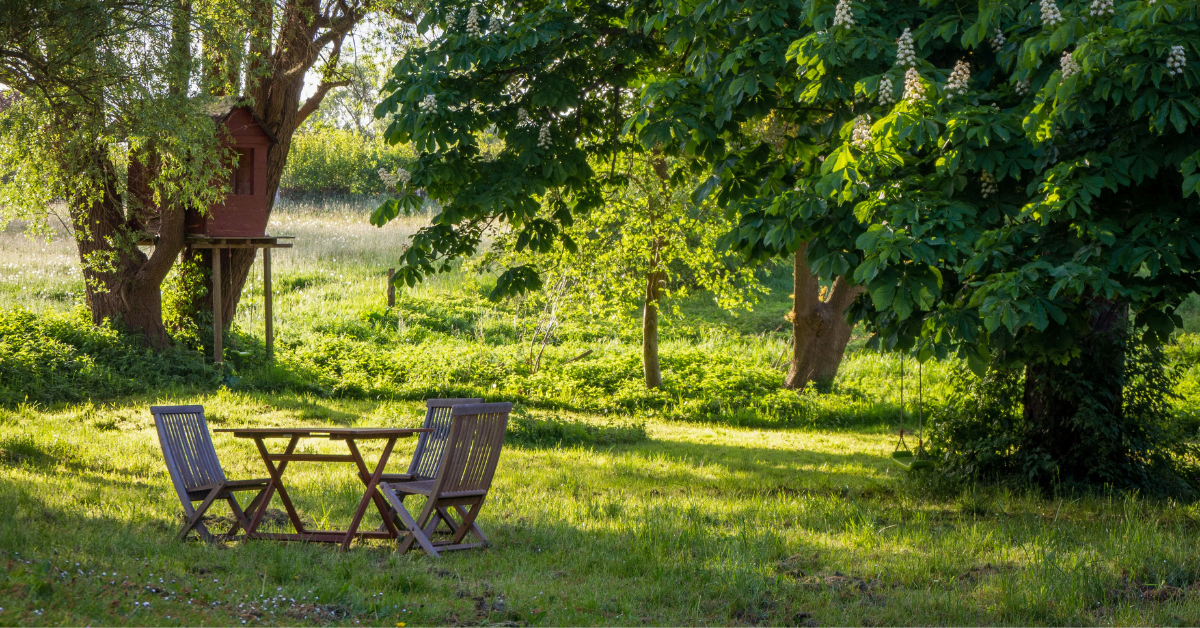
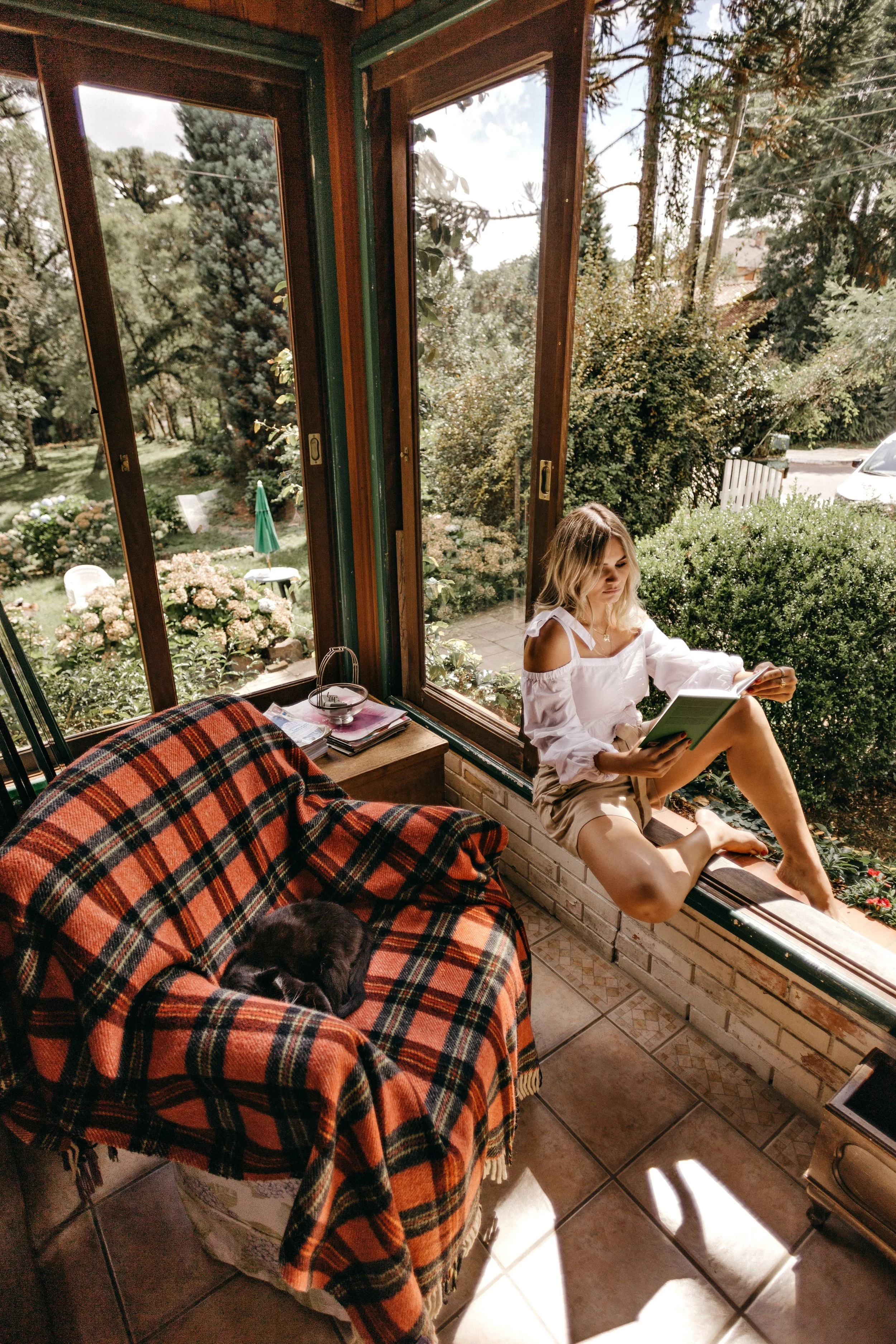
Photo by Robert Katzki on Unsplash
01) Create a Space That Makes Going Outside Easier
You don't have to plan a camping trip or hike through the woods every time you want to spend more time outdoors. Research into the mental health benefits of nature suggests that contact with natural environments can support well-being in several ways. Your own experience doesn't need to involve dramatic scenery either. Sitting outside with your coffee, walking through your garden, or taking a break on the balcony can give you a change of environment during an otherwise indoor day.
Try designing your outdoor area around the moments you want to create. If you'd like to read outside more often, add a comfortable chair and a place to set your drink. If you want to eat outdoors, prioritize a table over decorative furniture you won't use. If you mainly want somewhere peaceful to sit after work, a small bench, greenery, and some shade might be enough.
Accessibility matters too. Keep the space relatively easy to enter, comfortable to sit in, and simple to maintain. If every outdoor break requires moving cushions from storage, cleaning furniture, and setting up several things first, you're probably less likely to use the area spontaneously. The easier it is to step outside and settle in, the more naturally your outdoor space can become part of everyday life.
02) Design Around Comfort Before Decoration
A beautiful patio isn't especially useful if you don't enjoy sitting there. Before buying decorations, start with comfort. Consider the temperature, seating, shade, privacy, noise, and space you have available.
Discussions about the psychology of outdoor spaces can inspire you to think about how layout, natural elements, color, and other design choices shape the experience of a space. But you don't need to follow strict rules about which colors are supposedly calming or energizing.
Instead, choose things you personally enjoy. A few upgrades might include:
Comfortable seating: Choose chairs, cushions, loungers, or a small outdoor sofa you can use comfortably for more than a few minutes.
Shade: An umbrella, pergola, awning, or well-placed shade can make a sunny space much more usable.
Outdoor textiles: Weather-appropriate cushions and rugs can soften hard surfaces and make a patio feel more finished.
Greenery: Planters, herbs, flowers, shrubs, or existing landscaping can make the area feel more connected to nature.
A functional surface: A side table or small dining table gives you somewhere to set a book, drink, laptop, or meal.
Clear pathways: Avoid packing so much furniture into a small area that moving around becomes awkward.
Think about maintenance as part of the design too. Outdoor furniture and textiles need to withstand your local conditions, so check recommendations for moisture, sun exposure, wind, and seasonal storage before buying. The best outdoor space isn't the most elaborate one. It's the one that's comfortable enough to use.
03) Make the Space Enjoyable After Sunset
Outdoor spaces can become much more useful when they're comfortable after dark. Rather than relying on one extremely bright fixture, consider creating several smaller sources of light. That can make a patio, deck, or garden feel more inviting while still providing enough visibility to move around safely.
You might combine:
Ambient lighting: String lights, wall fixtures, or other general lighting for the seating area.
Task lighting: A portable lamp or fixture near a table where you read, eat, or entertain.
Path lighting: Illumination along steps and frequently used walkways.
Accent lighting: Small fixtures used to highlight landscaping or architectural details.
For pathways and landscaping, LED landscape lighting is one option to consider when planning an outdoor lighting setup. Placement matters more than simply adding as many lights as possible. Avoid creating unnecessary glare, directing overly bright fixtures toward neighboring properties, or leaving stairs and changes in elevation difficult to see.
You can also consider timers, motion sensors, or smart controls so lights aren't operating all night when nobody is using the space. And if you're using electrical lighting outdoors, make sure products, outlets, extension equipment, and installation methods are appropriate for outdoor conditions. Thoughtful lighting can make the same space useful for morning coffee, afternoon reading, and relaxing outside after dinner.
More in Wellness:



04) Give Yourself Something to Do Outside
Creating a beautiful outdoor area is only half the process. Give yourself reasons to use it. You can enhance your wellness programming on a personal level by moving activities you already enjoy outdoors whenever the weather and your environment make it practical.
That could look like:
Drinking your morning coffee without immediately checking your phone.
Journaling for a few minutes at the end of the day.
Reading a chapter of a book outside.
Stretching or practicing yoga.
Eating lunch on the patio.
Sketching, knitting, or doing another quiet hobby.
Calling a friend while sitting outside.
Listening to music or a podcast.
Caring for plants or growing herbs.
Simply sitting outside without turning the moment into another task.
Container gardening is especially flexible if you're working with a balcony or small patio. You can grow herbs, flowers, vegetables, and other plants in containers when their light, water, temperature, and space needs fit. If you're adding plants, choose them based on your actual environment, not appearance alone. Consider sunlight, climate, drainage, maintenance, and whether the plant is safe around pets or children in your household.
Your outdoor routine doesn't have to become another wellness obligation. The point is to create opportunities to slow down, change environments, and do something you enjoy.
05) Add Privacy and Sensory Details
Once the basics are comfortable and functional, smaller details can make your outdoor space feel more personal. Privacy is often a major factor, especially on apartment balconies, closely spaced patios, or yards near neighboring properties. Depending on what your space allows, you might use outdoor curtains, lattice panels, privacy screens, trellises, fencing, or plants to create a little separation. If you're renting or living somewhere with an HOA or building restrictions, check the rules before attaching or installing anything permanent.
Sound can affect how relaxing the area feels too. A small water feature may provide gentle background noise, while wind chimes, speakers, or other sound-producing elements should be used thoughtfully if neighbors are close by. Plants can add scent as well as greenery. Herbs and fragrant flowers can be lovely additions when they suit your environment and household.
When creating a healing patio space, think about all the senses, not just how the space looks. Soft outdoor cushions can make seating more comfortable. A lightweight blanket can help on cooler evenings. Greenery creates visual interest, while shade can make bright afternoons much more pleasant. You don't need to include every sensory element at once. Choose the details that genuinely make the space more enjoyable for you.
Takeaway
Upgrading your outdoor space for better wellness doesn't require a complete backyard transformation. Start by deciding what you want to do there. Maybe you want somewhere comfortable to read, a quiet place for morning coffee, room to grow herbs, an area for stretching, or simply somewhere to sit outside at the end of the day. Then make that activity easier. Add comfortable seating. Create shade where you need it. Bring in plants you can realistically maintain. Add safe lighting if you want to use the space at night. Create a little privacy if that helps you relax.
A wellness-focused outdoor space doesn't need to look like a luxury retreat. It simply needs to be comfortable, functional, and inviting so that spending enough time outside becomes something you naturally want to do.
If you could make one upgrade to your outdoor space right now, what would make you use it more often?






Discover how dental health can become a meaningful part of your self-care routine. From consistent oral hygiene and preventive dental visits to addressing concerns that affect comfort, function, or confidence, caring for your smile invests in your present and future well-being.