
RV Vacation Tips: 5 Ways to Have a Better Road Trip
sharing is caring :)
Disclaimer: Je’Ana C. curates the Shades of Tatiana product selections. If you buy something through our links, we may earn an affiliate commission at no cost to you. We only recommend products we genuinely love.
An RV vacation offers something you don't quite get from other types of travel: the freedom of a road trip combined with many of the comforts of home. You can wake up somewhere new, change your plans when an unexpected destination catches your attention, and enjoy the journey without constantly packing and unpacking at different hotels.
That flexibility is part of what makes RV travel so appealing, but a successful trip still requires some preparation. Understanding your RV, choosing comfortable places to stay, packing thoughtfully, and creating a realistic itinerary can prevent small inconveniences from taking over your vacation.
The goal isn't to plan every minute. It's to take care of the important details before you leave so you have more freedom once you're on the road. Whether you're planning your first RV trip or looking for ways to make your next one even better, these simple strategies can help you get more out of the experience.
RELATED ARTICLE: Reasons an RV Getaway Might Be the Reset You Need
How to Make the Most of Your RV Vacation
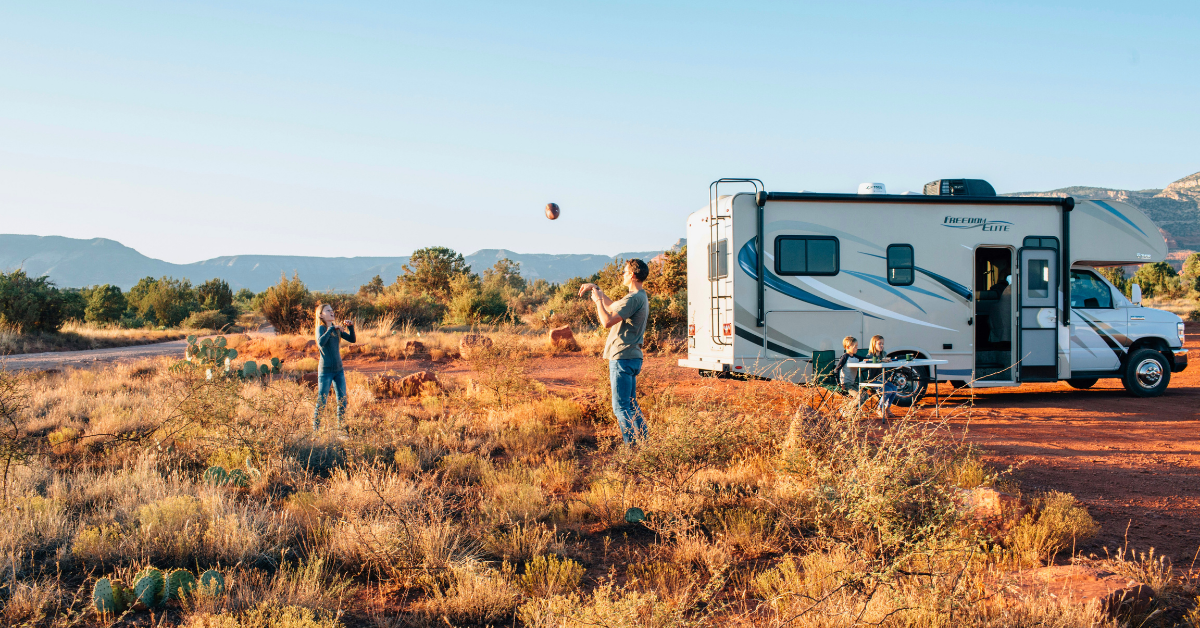
01) Plan Your Route but Stay Flexible
One of the biggest advantages of RV travel is having the flexibility to change your plans. While it's smart to know your general route and major destinations before leaving, avoid scheduling every hour of the trip. Leave room for unexpected stops. You might hear about a local festival from another traveler, discover a hiking trail you hadn't planned to visit, or notice a scenic overlook that deserves more than a quick photo.
A good compromise is to reserve your most important overnight stops while keeping daytime activities relatively flexible. If you're already used to taking weekend road trips for a quick escape, you know how much more enjoyable the journey can feel when you're not constantly rushing to reach the next item on your itinerary.
Download maps before entering areas where service may be unreliable, and consider keeping a physical road atlas in the RV as a backup. A little preparation gives your trip structure without taking away the spontaneity that makes RV travel so much fun.
02) Choose the Right Home Base
Where you park at the end of the day can significantly affect your RV experience. Some travelers love rustic campgrounds surrounded by nature, while others prefer the additional comfort and amenities of an RV resort. Think about what will make your stay easiest. Full water, electrical, and sewer hookups can make longer stays more convenient, while amenities such as Wi-Fi, laundry facilities, showers, pools, or recreational areas may be particularly useful for families.
Finding comfortable RV-friendly vacation spots can also give you a relaxing home base between days of sightseeing and exploring. Depending on the property, RV resorts may offer paved sites, landscaped grounds, communal spaces, and other features that create a more comfortable stay. Before booking, check the site's dimensions and hookup options to make sure they match your RV. Reading recent guest reviews can also help you understand what the campground is really like before you arrive.
03) Pack Smart for a Smaller Space
An RV gives you considerably more storage than a suitcase, but that doesn't mean you should bring everything you own. Too much stuff can quickly make a small space feel cluttered and difficult to use. Packing cubes and storage bins can keep clothing and smaller belongings organized. Look for multipurpose items whenever possible, such as cookware that can perform several functions or clothing you can layer for changing weather.
Before loading the RV, lay out what you're planning to bring and remove anything you're unlikely to use. Stock your kitchen with enough dishes and cookware for your group rather than bringing extras that will only take up cabinet space. Don't forget practical items either. A basic toolkit, flashlight, first-aid supplies, chargers, and a few cleaning products can be useful on the road. Remember that you can usually replenish groceries, toiletries, and other everyday supplies during the trip rather than carrying enough for the entire vacation from day one.
More in Travel:


04) Get to Know Your RV Before You Go
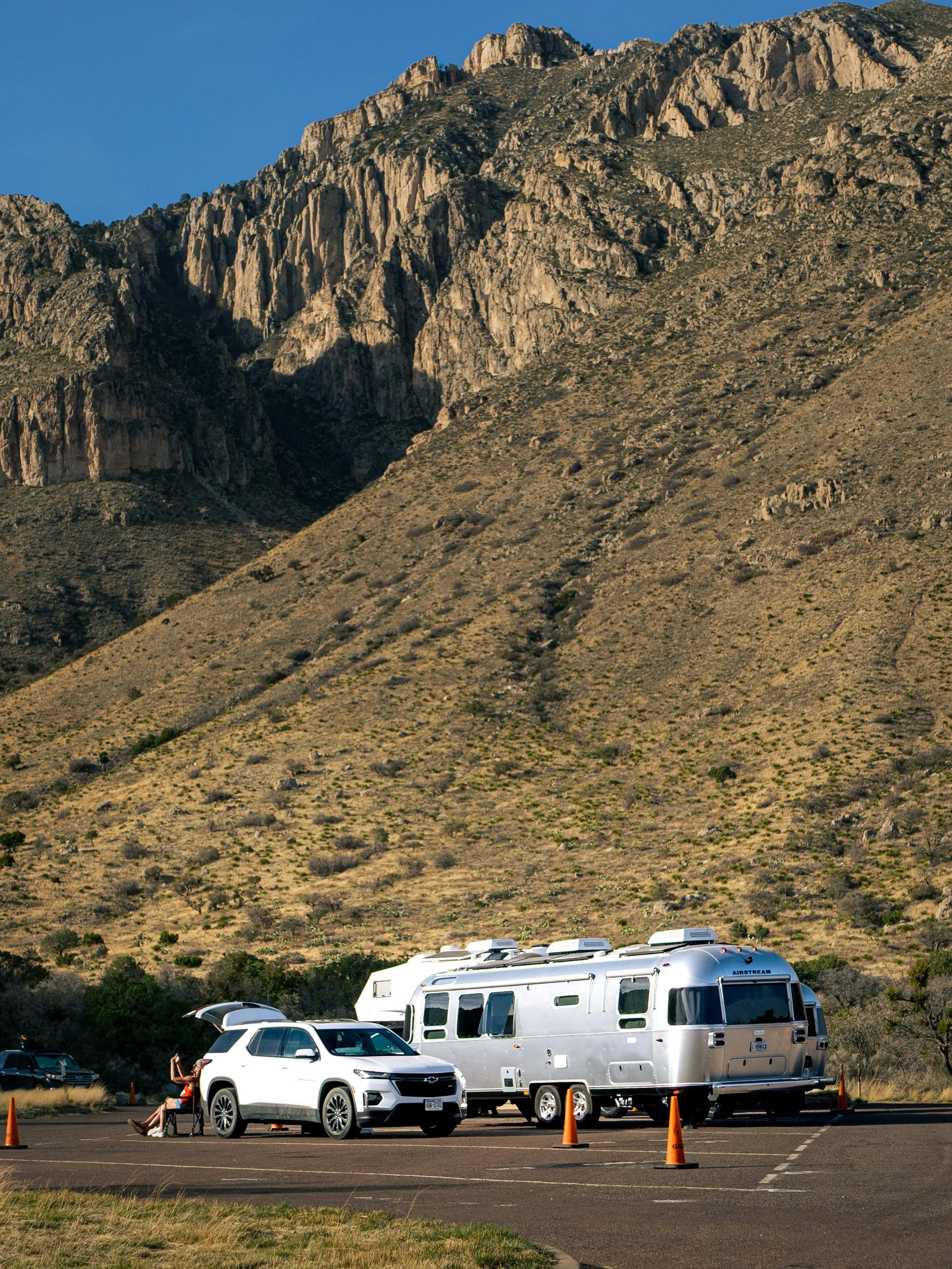
If you're new to RV travel, don't let your first experience operating everything happen hundreds of miles from home. Take some time before your vacation to learn how your vehicle works. Practice connecting electricity and water, leveling the RV, operating awnings or slide-outs, and understanding any other systems you'll need at your campsite.
A short overnight trip close to home can be especially useful. This type of practice trip lets you discover what you've forgotten, test your setup, and get comfortable with the process without the pressure of being far away. It's also helpful to understand the basics of RV traveling in the USA before planning a longer adventure. Learn how your water, electrical, and waste systems operate, and understand basic checks such as tire pressure and fluid levels. The more familiar you are with your RV before leaving, the easier it will be to handle everyday setup and minor problems on the road.
05) Keep Everyone Happy on the Road
Sharing a relatively small space can be one of the most memorable parts of an RV trip, but it can also test everyone's patience. Talk about expectations before you leave. If several people are traveling together, let everyone choose something they'd like to see or do. Building different interests into the itinerary can help everyone feel like the vacation belongs to them.
If you're traveling with children, leave plenty of downtime between attractions. Not every day needs to involve a packed sightseeing schedule. A quiet afternoon at the campground can be just as enjoyable as another planned excursion. Creating some personal space can help too. Headphones, books, tablets, or quiet corners of the RV can give everyone occasional time to themselves. These small considerations can contribute to a successful family RV adventure, particularly on longer trips when you're spending a lot of time together. Ultimately, the goal isn't to follow the perfect itinerary. It's to create an experience everyone can actually enjoy.
Takeaway
A great RV vacation is all about balancing preparation with flexibility. Knowing where you're going, understanding your RV, packing efficiently, and choosing comfortable places to stay can address many practical concerns before they interfere with your trip.
At the same time, don't plan away the freedom that makes RV travel special. Leave room for unexpected stops, slower days, changing plans, and those random discoveries that often become the memories you talk about long after the vacation ends. A few things may inevitably go differently than expected, and that's part of the experience. Prepare for what you can, stay flexible with the rest, and enjoy the freedom to explore at your own pace.
What's the one destination you'd love to explore on an RV road trip?







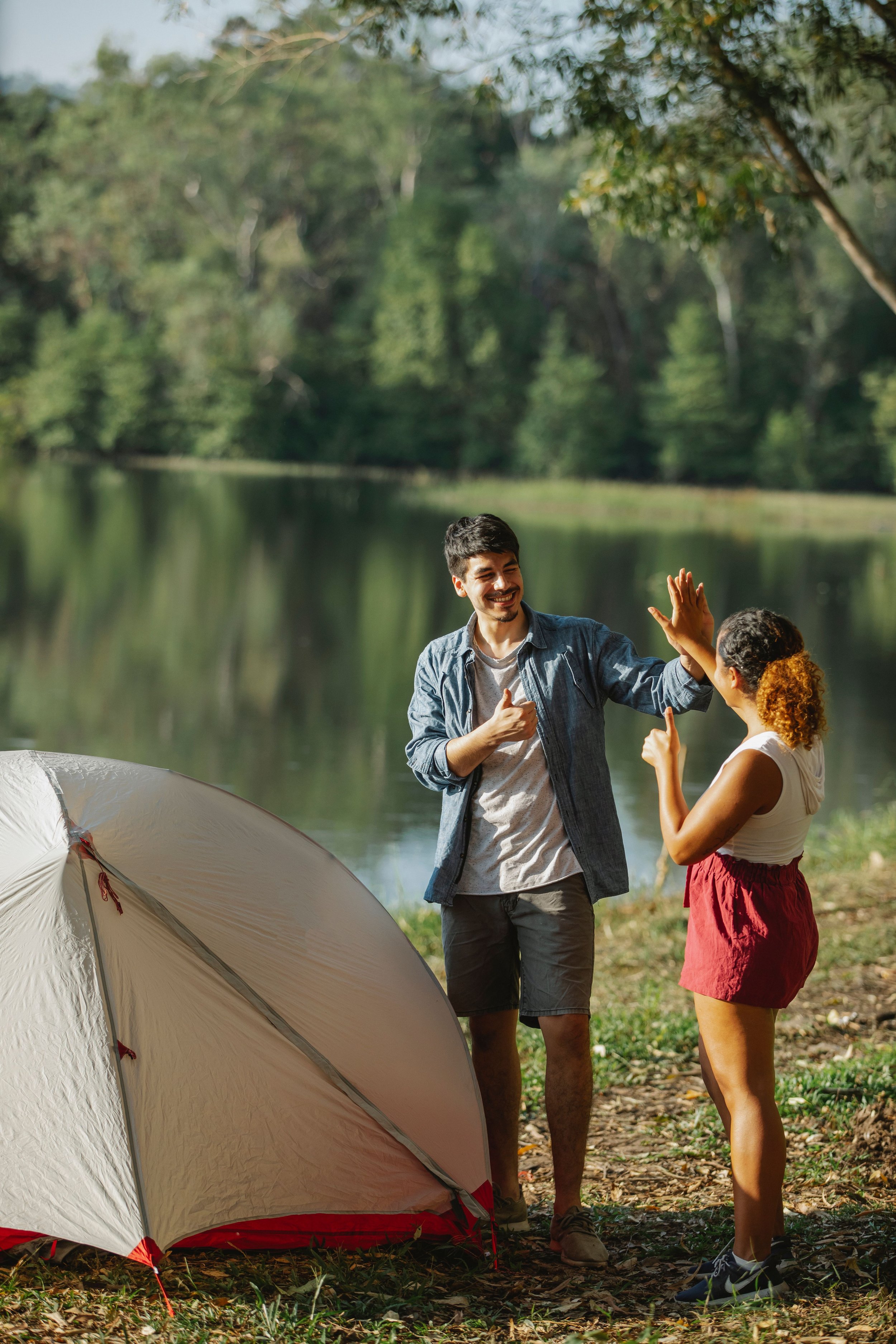



Learn how to stay comfortable while enjoying outdoor recreation with practical tips for choosing the right gear, staying hydrated, pacing yourself, and planning a comfortable place to rest. A little preparation can help you spend less time dealing with discomfort and more time enjoying your outdoor adventures.