
How to Plan a Refreshing Getaway: 5 Simple Travel Tips
sharing is caring :)
Disclaimer: Je’Ana C. curates the Shades of Tatiana product selections. We only recommend products we genuinely love. If you buy something through our affiliate links, we may earn a small commission at no cost to you.
A getaway should give you a chance to step away from your usual routine, experience something different, and return home feeling refreshed. But when you're juggling reservations, transportation, budgets, packing, and a long list of things you want to see, planning the trip itself can sometimes feel like another source of stress.
The key isn't planning every hour of your vacation. It's taking care of the important details ahead of time so you can relax once you arrive. Knowing what you want from the trip, setting a comfortable budget, choosing the right accommodations, and organizing a few priorities can give your getaway structure without making it feel overly scheduled.
Whether you're craving a quiet break, an adventurous road trip, or a few days exploring a new city, these simple planning tips can help you create a getaway that actually feels like the reset you need.
RELATED ARTICLE: 5 Reasons an RV Getaway Might Be the Reset You Need
Tips for Planning a Relaxing Getaway

Photo by That's Her Business on Unsplash
01) Decide What You Want From Your Getaway
Before you start searching for flights or accommodations, think about what you actually want from the trip. Are you craving peace and quiet, or are you ready for adventure? Do you want uninterrupted time with family, to reconnect with nature, to explore museums and neighborhoods, or to plan your entire trip around great food?
Knowing the purpose of your getaway can guide almost every decision that follows and help you establish healthy holiday habits. If relaxation is your priority, filling every day with back-to-back sightseeing may leave you more exhausted than refreshed. On the other hand, if you want adventure, spending the entire trip at a secluded resort might feel limiting.
Make a short list of the experiences that matter most to you. It can also help to think about how you want to feel during the trip. Relaxed? Inspired? Energized? Connected? Keeping that goal in mind makes it easier to choose a destination and itinerary that genuinely suits you.
02) Create a Realistic Travel Budget
A clear budget can remove a significant amount of stress from your trip. Start by deciding how much you're comfortable spending overall, then divide that amount between your major expenses. Consider transportation, accommodations, meals, attractions, local transportation, shopping, and any additional fees you may encounter. It's also smart to leave some room for unexpected expenses or spontaneous experiences you hadn't planned before arriving.
Research typical costs at your destination before booking so you have a realistic idea of what your money will cover. A travel budgeting app or simple spreadsheet can help you organize expenses before you leave and monitor spending during your trip. Remember that a memorable getaway doesn't necessarily require the biggest budget. Decide which experiences are worth spending more on and where you're comfortable saving. Being intentional with your money can help you enjoy the trip without constantly worrying about what everything costs.
03) Choose Accommodations That Fit Your Trip
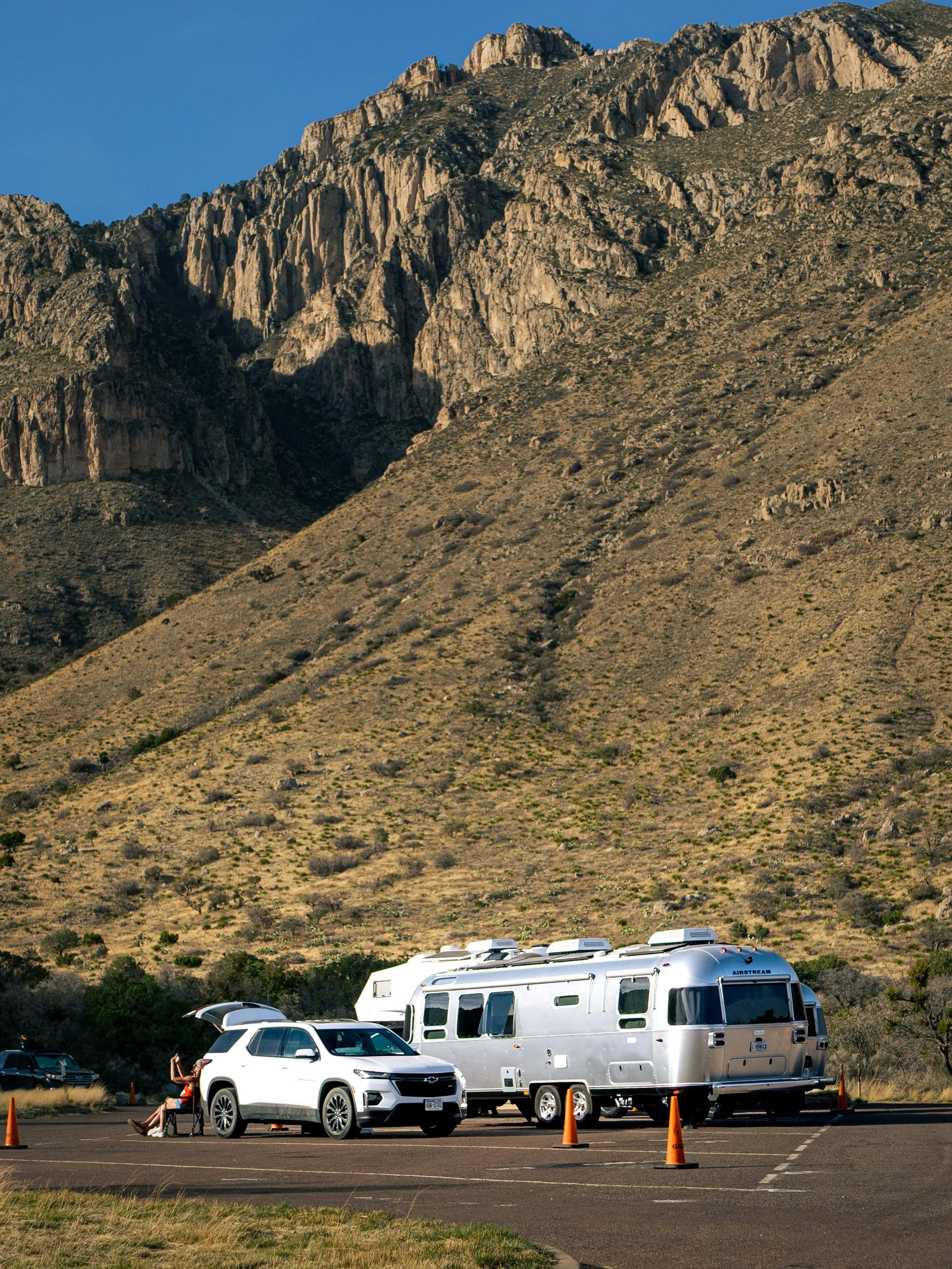
Where you stay can significantly shape your vacation, so choose accommodations based on the experience you want rather than automatically booking the first hotel that fits your budget. Hotels offer convenience and amenities, while vacation rentals may provide more space, a kitchen, or a more residential feel. If you're planning an outdoor-focused getaway, camping, RV travel, or a cabin trip, those options might make more sense.
For travelers who enjoy the freedom of exploring by motorhome or caravan, choosing the right overnight locations is especially important. Searching for parks with full hookup RV sites gives you access to water, electricity, and sewer connections while still letting you enjoy the road-trip experience.
Think about location too. Paying a little more to stay near the attractions you plan to visit could save you time and transportation costs. On a relaxation-focused trip, however, you might prefer accommodations farther away from crowded tourist areas.
More in Travel:



04) Research Attractions Without Overplanning
Once you've chosen your destination, start creating a list of things you'd genuinely like to experience. Travel guides and tourism websites are useful starting points, but don't stop there. Local blogs, community groups, restaurant reviews, social media, and recommendations from people who live in the area can introduce you to smaller attractions and experiences you might otherwise overlook.
Instead of trying to fit every recommendation into your itinerary, choose two or three priorities for each part of your trip. Leave some open time between them. That flexibility gives you room to linger somewhere you love, take an afternoon off when you're tired, explore an unexpected neighborhood, or try a restaurant you discovered that morning. Some of the best travel memories come from things you never planned.
05) Pack With Your Actual Itinerary in Mind
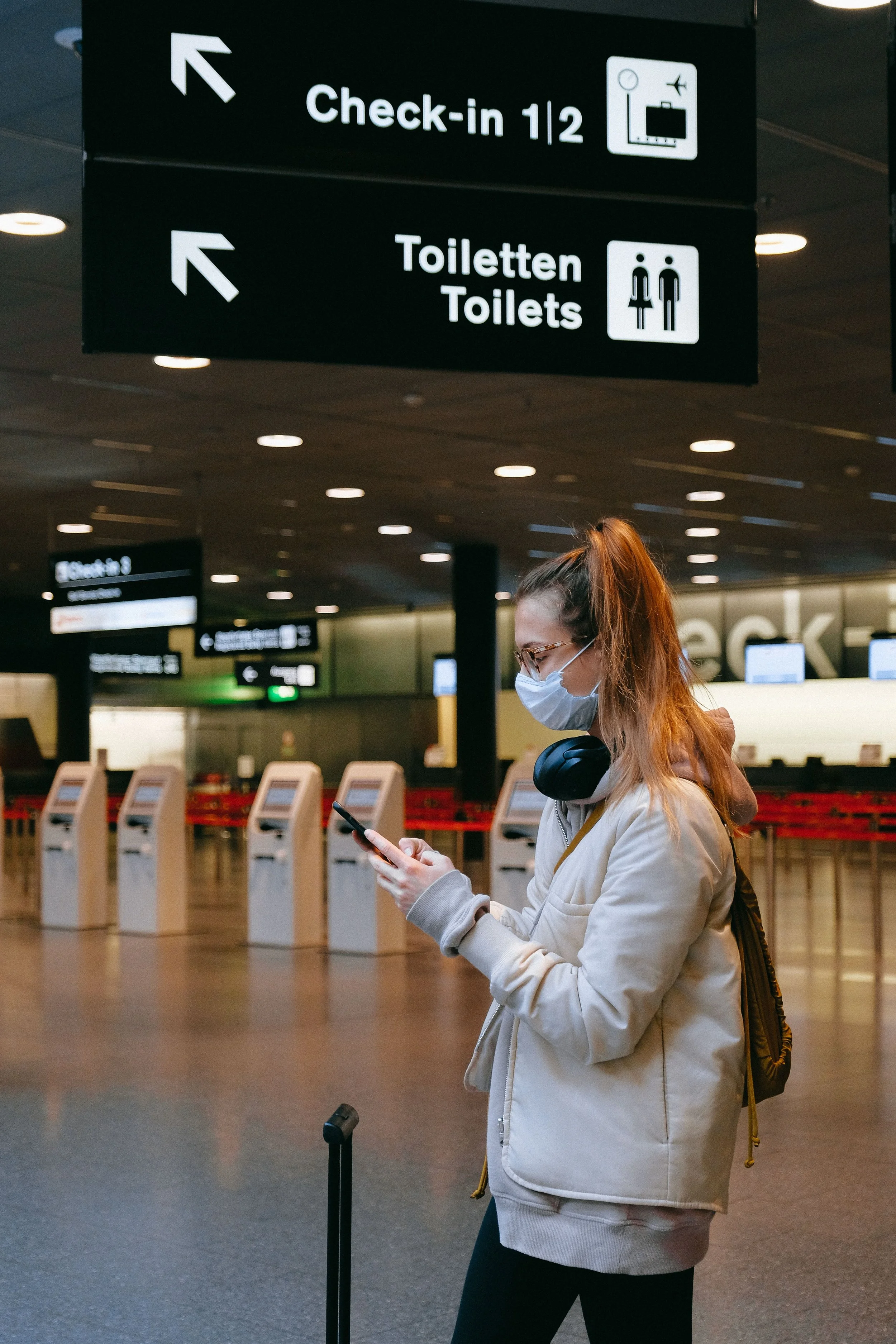
Packing efficiently can make everything from getting through the airport to unpacking at your destination easier. Start your packing list several days before you leave instead of trying to remember everything the night before. Check the weather forecast and consider what you'll actually be doing during the trip. This can help prevent overpacking and the panic of realizing you've forgotten something important.
Choose versatile clothing you can mix, match, and layer, rather than planning an entirely different outfit for every possible occasion. Packing cubes can also help separate clothing, toiletries, accessories, and other essentials so you're not constantly digging through your suitcase.
Keep important items in your carry-on when flying. Medication, chargers, identification, essential toiletries, and at least one change of clothes can make an unexpected baggage delay considerably easier to manage.
Takeaway
Planning a refreshing getaway is ultimately about creating enough structure to make travel easier without scheduling away the relaxation you're hoping to find. Start with what you want from the experience, set a budget you're comfortable with, choose accommodations that support your plans, and prioritize the attractions you genuinely care about. Then leave some room for rest, spontaneity, and whatever you discover once you arrive.
You don't need to see everything or follow the perfect itinerary for a trip to be worthwhile. A successful getaway feels right for you and lets you return home with good memories and, ideally, a little more energy than you started with.
When you're planning a getaway, do you prefer a packed itinerary or plenty of room for spontaneity?






Learn how to stay comfortable while enjoying outdoor recreation with practical tips for choosing the right gear, staying hydrated, pacing yourself, and planning a comfortable place to rest. A little preparation can help you spend less time dealing with discomfort and more time enjoying your outdoor adventures.