
What Slow Travel Actually Looks Like When You’re Not in a Rush
sharing is caring :)
Disclaimer: Je’Ana C. curates the Shades of Tatiana product selections. We only recommend products we genuinely love. If you buy something through our affiliate links, we may earn a small commission at no cost to you.
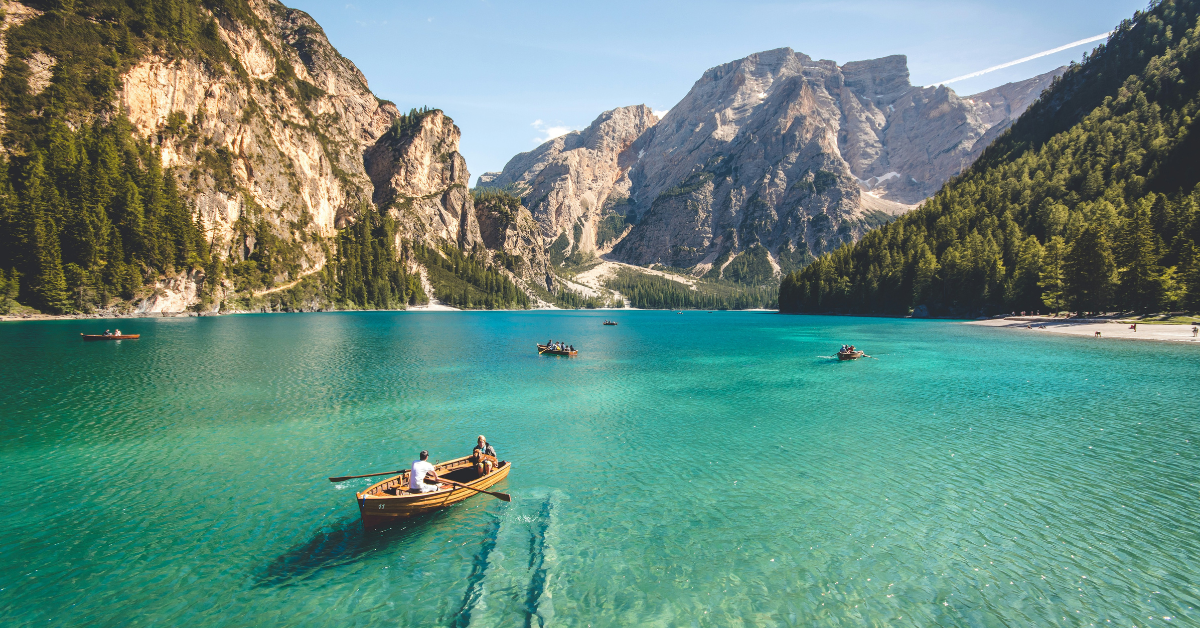
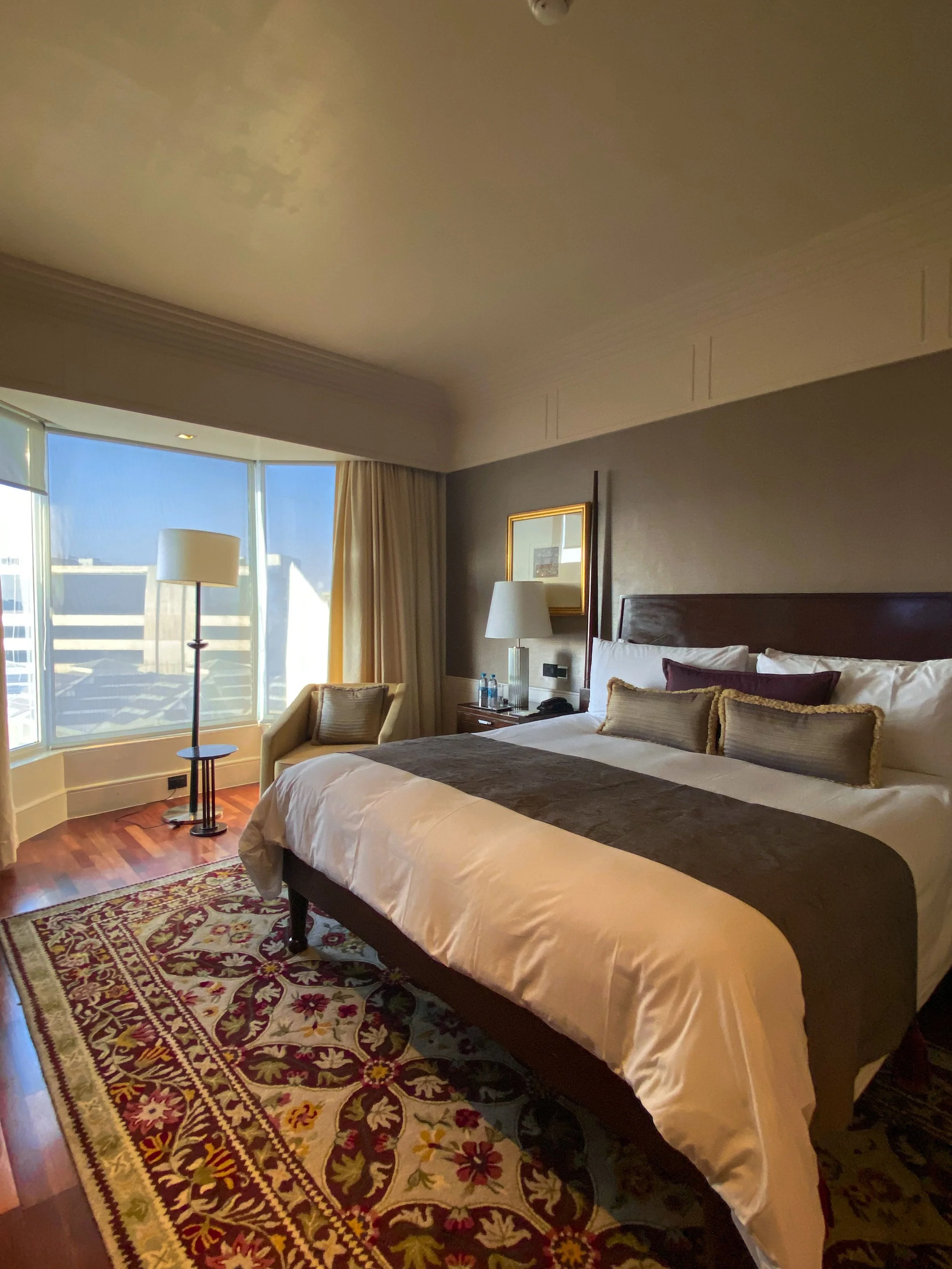
Photo by Pietro De Grandi on Unsplash
In today’s world, it often feels like everything is moving at full speed. Between work, responsibilities, and daily life, there’s always something demanding your attention.
That same fast-paced mindset can easily carry over into your travel plans—turning what should be a relaxing getaway into another tightly scheduled checklist. But travel doesn’t have to feel rushed. In fact, it shouldn’t.
Slow travel offers a different approach—one that prioritizes presence, connection, and ease. If you’ve been curious about what slow travel really looks like when you’re not in a rush, here’s how to embrace it.
RELATED ARTICLE: 3 Pro Tips For Saving Money On Longer Vacations
The Key Aspects of Slow Travel
A slow travel approach isn’t about doing less. It’s about experiencing more, just at a different pace. Whether you’re planning a staycation or a two-week getaway in the Bahamas, these are the core elements to focus on:
Immersive stays
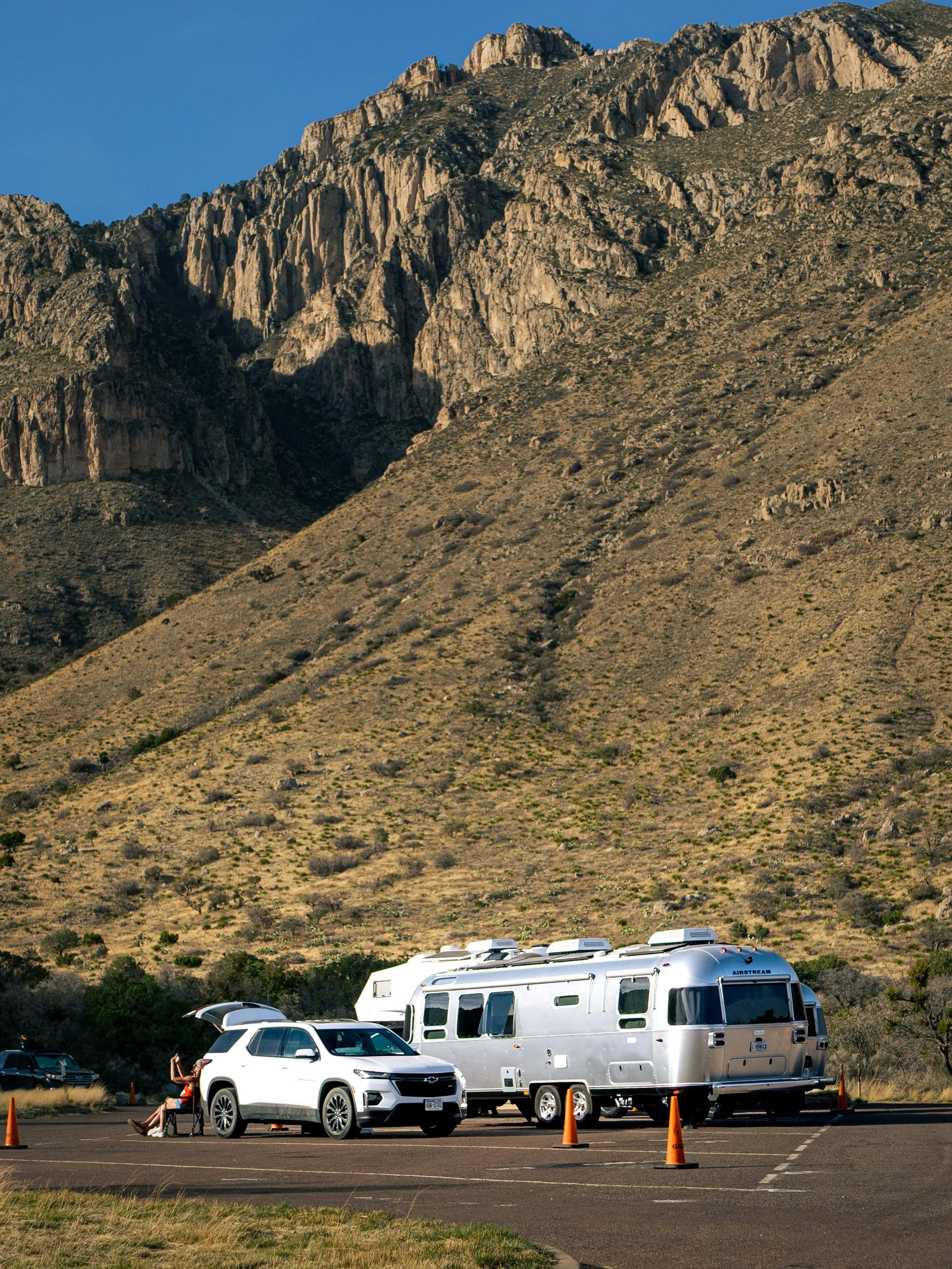
Instead of constantly switching accommodations, slow travel encourages you to stay put. That might look like settling into an RV resort or campsite, or a cozy apartment where you can truly get comfortable and feel at home.
Cultural respect
With more time in one place, you naturally become more aware of local customs. From dressing appropriately at religious sites to choosing locally owned restaurants over tourist-heavy spots, slow travel invites a deeper level of respect and appreciation.
Flexible itineraries
Forget rigid, hour-by-hour plans. Slow travel allows space for spontaneity, whether that means lingering at a café, exploring an unexpected street, or simply resting without guilt.
Responsible transportation
Choosing to walk, bike, or take public transportation not only reduces your environmental footprint but also allows you to experience your surroundings more intimately.
Meaningful connections
Slow travel is less about ticking landmarks off a list and more about connection—talking to locals, learning history firsthand, or participating in community activities that make your trip feel personal.
What slow travel feels like
Slow travel should feel like an experience that’s less stressful because you’re not thinking about packing or unpacking, or trying to stick to a particular schedule.
You may find yourself noticing the smaller details within the environment and having the space for reflection. It can turn your otherwise generic vacation into a more transformative experience. By moving away from tourist hubs, you’ll be able to find hidden gems and experience the destination’s real culture as a result.
More in Travel:
The Benefits of Slow Travel
Slow travel isn’t just a mindset. It comes with real, tangible benefits that can transform how you experience your time away.
01) Deeper cultural immersion and authentic experiences
By staying longer in one place, you’ll be able to have more immersive, authentic experiences wherever you are. Taking more time to see the environment and to actually interact with the locals for a genuine understanding of local traditions and culture.
02) Enhanced well-being and reduced stress
Rushing between destinations can often be exhausting. That’s why it’s good to focus on slowing down and staying in one place. As a result, you significantly improve your mental and physical health by disconnecting from the daily demands of life.
03) Reduced environmental impact
By minimizing transportation and making more conscious choices, slow travel supports more sustainable tourism and reduces your overall carbon footprint.
Takeaway
Slow travel reminds you that you don’t need to rush to make a trip meaningful. By staying longer, moving intentionally, and embracing flexibility, you can create a more enriching and memorable experience—one that feels restorative instead of overwhelming.
So next time you plan a trip, ask yourself: what would it look like if you allowed yourself to slow down and truly enjoy every moment?




Learn how to stay comfortable while enjoying outdoor recreation with practical tips for choosing the right gear, staying hydrated, pacing yourself, and planning a comfortable place to rest. A little preparation can help you spend less time dealing with discomfort and more time enjoying your outdoor adventures.