
6 Ways to Create the Perfect Backyard Retreat You'll Actually Use
sharing is caring :)
Disclaimer: Je’Ana C. curates the Shades of Tatiana product selections. We only recommend products we genuinely love. If you buy something through our affiliate links, we may earn a small commission at no cost to you.
A great backyard doesn't need to look like a luxury resort to become one of your favorite parts of your home. What matters most is creating a space that fits the way you actually want to spend time outside.
Maybe you picture slow mornings with coffee, family dinners on the patio, evenings around a fire, weekend gardening, or simply a comfortable place to read when the weather is nice. Your version of a backyard retreat may include all of those things or just one quiet corner designed especially for you.
Before buying furniture or starting a major project, think about function first. Once you understand how you want to use the space, it becomes much easier to choose the right layout, materials, lighting, landscaping, and finishing touches.
RELATED ARTICLE: How to Create a Stunning Low-Maintenance Backyard Oasis
How to Design a Relaxing Backyard Retreat
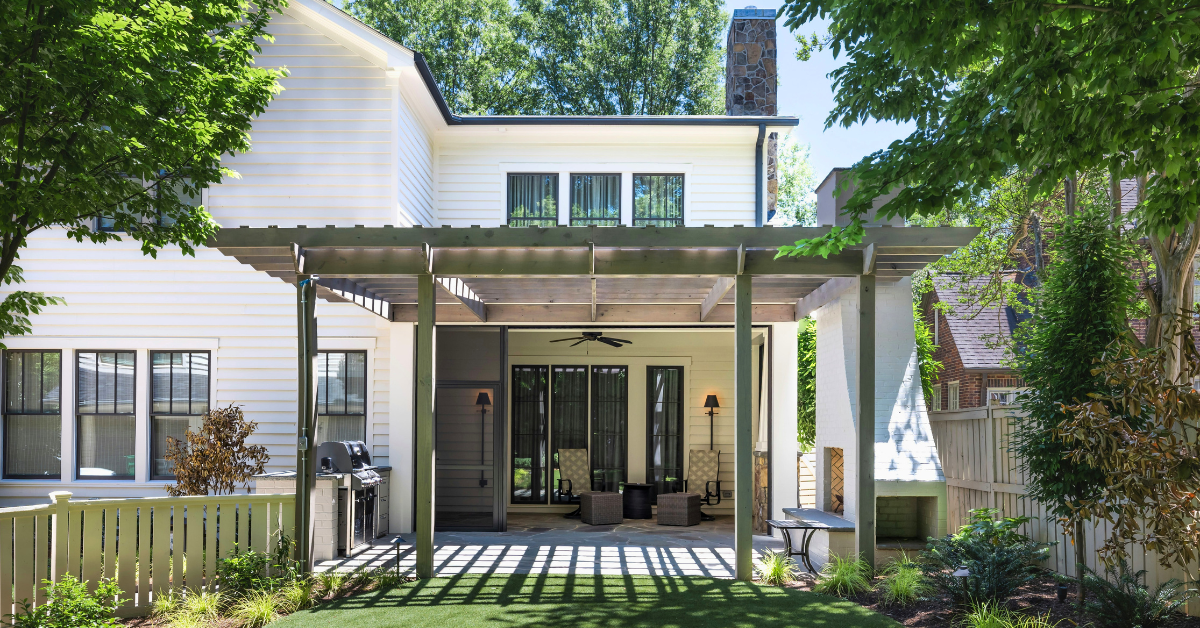
Photo by Kyle Ledyard on Unsplash
01) Start With a Clear Vision for the Space
Before moving furniture, installing a patio, or buying plants, decide what you actually want your backyard to do for you.
Ask yourself a few questions:
Do I want to entertain regularly?
Do I need a dining area?
Would I use a quiet reading or lounging corner?
Do children or pets need open space?
Do I enjoy gardening?
How much maintenance am I realistically willing to do?
Which parts of the yard get the most sun, shade, or wind?
How much privacy do I want?
Your answers can help you create zones rather than treating the entire yard as one large space. For example, one section might contain a dining table close to the house, while another becomes a lounge area surrounded by plants. A farther corner could become a small garden, fire-pit area, or peaceful reading spot.
Creating a mood board can help too. Save images that reflect the atmosphere you're drawn to, whether that's a relaxed cottage garden, modern outdoor lounge, colorful Mediterranean-inspired patio, or something completely different. Look beyond backyard photos for inspiration. Interiors, restaurants, hotels, vacation destinations, and even fashion color combinations can help you identify the textures and mood you want. Exploring different backyard retreat ideas can help you narrow down which elements make sense for your property rather than trying to include every outdoor trend at once.
02) Build a Comfortable Foundation
Once you understand how you'll use your backyard, think about the physical foundation that will support those activities. Decks, patios, walkways, pergolas, and other hardscaping can define different areas and make an outdoor space much easier to furnish and use. Outdoor improvements don't have to be limited to one feature. 5 backyard upgrades that instantly elevate your home can inspire improvements in privacy, comfort, functionality, and the overall experience of the space.
Choose materials based on more than appearance. Natural wood can create warmth but may require regular maintenance depending on the species and climate. Composite decking is often chosen for its lower maintenance requirements, although cost, heat retention, appearance, and product quality can vary. Pavers, stone, and concrete can all create durable surfaces with very different aesthetics and installation requirements.
If you're planning a substantial deck, patio, or structural project, professional design and installation may be worth considering. Builders like Diamond Decks are one example of the type of company homeowners might research when planning custom decks, patios, and other outdoor living features.
Once the foundation is established, think about furniture. Comfort should come before filling every empty corner. Choose seating that fits the area's scale and leaves enough room for comfortable walking. Look for outdoor materials and fabrics suited to your weather conditions, and check care instructions before assuming something can remain exposed year-round. A comfortable chair you use constantly is a much better investment than an oversized furniture set that makes the patio feel crowded.
03) Add Lighting, Shade, and Gathering Areas
The right finishing elements can dramatically increase how often you can use your backyard. Start with shade.
Depending on your space and budget, that might mean:
A patio umbrella
A retractable awning
A pergola
A shade sail
Strategically placed trees or landscaping
A covered porch or patio
Think about when the sun actually reaches your seating areas, not where you assume you'll need shade. Watching the yard at different times of day can help you position furniture and shade more effectively. Lighting is equally useful once the sun goes down. Instead of relying on one bright exterior fixture, layer different light sources. String or cafe lights can provide ambient lighting around a seating area. Path lights can help illuminate frequently used walkways, while smaller accent fixtures can highlight landscaping or architectural details.
Exploring different outdoor lighting techniques can help you balance appearance with practical visibility. If you're adding permanent electrical fixtures, make sure they're rated for outdoor use and installed appropriately. Solar fixtures can be convenient for certain areas, though brightness and performance depend on the product and how much sunlight it receives.
Then think about gathering points. A dining table, outdoor kitchen, fire feature, sectional, or simple circle of comfortable chairs can naturally give people somewhere to gather. You don't need all of these. Choose the feature that best matches how you realistically entertain and spend time outdoors.
More in Home:

04) Make the Most of a Small Backyard
A smaller outdoor space can still feel intentional and inviting. In fact, having less space can make it easier to focus on the features you'll use most. The first step is resisting the urge to fill every available inch. Choose appropriately scaled furniture and look for pieces that can serve more than one purpose. For example:
Storage benches provide seating while hiding cushions, gardening supplies, or outdoor toys.
Ottomans can work as footrests, occasional seating, or small tables.
Folding furniture can be stored when you need more open floor space.
Narrow tables can create dining or serving space without taking over the patio.
Built-in seating can use edges and corners efficiently.
Vertical space can be valuable too. Wall-mounted planters, trellises, hanging baskets, narrow shelving, and climbing plants can add greenery without using as much floor space. Just make sure anything mounted to a wall, railing, or fence is properly supported and permitted if you're renting or living somewhere with community restrictions. Plenty of clever design ideas for small backyards use layout, vertical gardening, compact furniture, and clearly defined zones to make limited space more functional.
You may also see mirrors used outdoors to reflect greenery and create a greater sense of visual depth. If you use one, choose something suited to the outdoor location and position it carefully so it doesn't create problematic glare or pose a safety concern. A small backyard doesn't need to pretend it's larger than it is. Thoughtful scale and fewer, better-chosen features can make it feel much more comfortable.
05) Add Greenery That Fits Your Lifestyle
Plants can completely change the atmosphere of an outdoor space, but your landscaping should match the amount of care you're realistically willing to provide. Start with the conditions you already have. Notice how much sunlight different areas receive, how well water drains, how exposed the yard is to wind, and what plants tend to perform well in your local climate.
Then choose greenery accordingly. You might add:
Container plants around a patio
Herbs near an outdoor dining area
Flowering plants for seasonal color
Shrubs for structure or privacy
Ornamental grasses for texture
Climbing plants along appropriate trellises
Trees where long-term shade makes sense
Don't choose plants based only on how they look in a styled photo. Consider mature size, watering needs, maintenance, climate suitability, and whether they're safe around children or pets. You also don't need to landscape the entire yard at once. Starting with a few containers or one garden bed lets you see what grows well and how much maintenance you're comfortable with before committing to a larger project.
06) Keep Your Backyard Easy to Maintain
A retreat stops feeling relaxing pretty quickly if maintaining it becomes another overwhelming responsibility. When you're choosing materials, furniture, textiles, plants, and decorative pieces, consider how you'll care for them before bringing them home. A simple maintenance routine might include regularly sweeping patios and decks, cleaning outdoor furniture as needed, checking cushions for moisture, tending to plants, and inspecting structures for visible wear.
Seasonal maintenance will depend heavily on your climate and materials. Before pressure washing a deck, patio, siding, or outdoor furniture, confirm that the surface can safely handle that cleaning method. Excessive pressure can damage certain wood, finishes, masonry, and other materials. Likewise, follow manufacturer recommendations before sealing or treating wood. Different materials and finishes have different maintenance needs, so no single schedule works for every deck or outdoor structure.
If your climate has a cold or wet off-season, determine whether cushions, umbrellas, furniture, or planters need to be covered, drained, or moved into storage. Also inspect decks, railings, steps, pergolas, lighting, and other structures periodically so you can address small maintenance issues before they become larger repairs. The easier your backyard is to care for, the more time you can spend actually enjoying it.
Takeaway
Creating the perfect backyard retreat isn't about fitting every outdoor trend into one space. It's about designing around your life. Start by deciding how you want to spend your time outside, then build around those activities. Create comfortable zones, choose materials that match your maintenance preferences, add shade where you need it, add enough lighting to enjoy evenings outside, and bring in plants that suit your environment.
Whether you have a large lawn or a compact patio, a few intentional choices can make the area feel like a true extension of your home. Your backyard doesn't need to look like someone else's outdoor oasis. The best retreat is the one that makes you want to step outside and stay awhile.
Learn how to create a backyard retreat that's comfortable, functional, and designed around the way you actually live. From planning outdoor zones and choosing durable materials to adding lighting, shade, greenery, and smart storage, these practical ideas can help you turn almost any backyard into a space you'll enjoy throughout the season.