
How to Lower Home Energy Bills With Smart Design Changes
sharing is caring :)
Disclaimer: Je’Ana C. curates the Shades of Tatiana product selections. We only recommend products we genuinely love. If you buy something through our affiliate links, we may earn a small commission at no cost to you.
Lowering your energy bills doesn't always require replacing your entire HVAC system or completing a major renovation. Sometimes the biggest improvements come from addressing the parts of your home that let unwanted heat in, escape, or build up.
The best solution depends on your climate, your home's age and construction, existing insulation, sun exposure, and where you're noticing uncomfortable temperature changes.
Before spending money, review several months of utility bills and notice how different rooms feel throughout the day. Is the second floor unusually hot in summer? Does one west-facing room become uncomfortable every afternoon? Are certain areas noticeably colder in winter?
Those clues can help you focus your budget on improvements that address real problems instead of upgrades marketed simply as energy-efficient.
RELATED ARTICLE: How to Design a Home That Supports Your Well-Being
Simple Architectural Changes That Lower Home Energy Bills
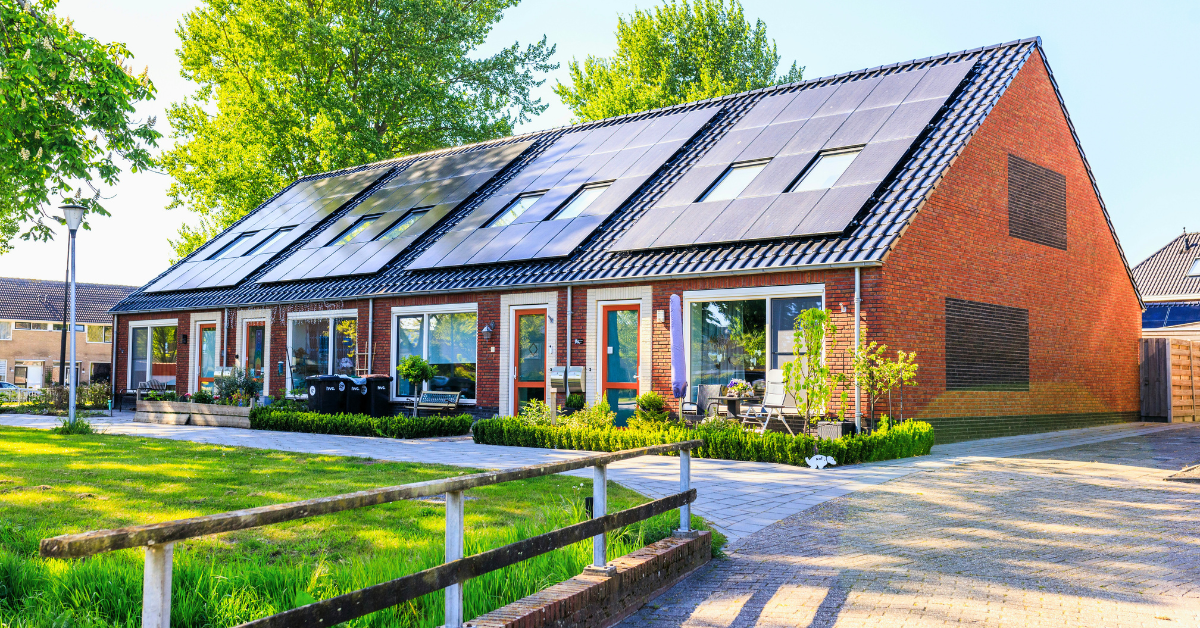
01) Improve Ventilation Without Ignoring Air Sealing
Natural ventilation can make a home more comfortable when outdoor conditions are favorable. Opening windows on opposite sides of a room creates cross-ventilation, letting outside air move through the space. In some homes, opening lower and higher windows can also let warmer indoor air rise and escape.
The important thing is timing. Natural ventilation works best when outdoor temperatures and humidity are comfortable. Opening windows during a hot, humid afternoon may make your air conditioner work harder instead of reducing energy use.
Your attic requires a different approach. A properly designed attic ventilation system often uses intake vents near the eaves and exhaust vents higher on the roof. This airflow can help manage heat and moisture in the attic, but ventilation shouldn't be confused with air sealing or insulation.
Air leaking from the conditioned rooms below into the attic can waste energy. Gaps around plumbing penetrations, wiring, attic access points, and certain fixtures may need sealing before you add more insulation. Also make sure insulation isn't blocking soffit vents. Because attic ventilation requirements depend on roof design and other factors, a roofing, insulation, or building-performance professional can help determine whether your existing system is properly balanced.
02) Consider Reflective Roofing When Replacement Is Already Needed
Your roof receives significant direct sun exposure, so roofing color and material can affect how much solar energy the surface absorbs. Lighter, more reflective roofing materials can absorb less solar heat than darker alternatives. In warm, sunny climates, that may help reduce roof temperatures and cooling demand.
However, the actual impact on your household energy bills depends on several factors. Insulation levels, attic design, climate, roof orientation, tree cover, roofing material, and how much of the year you rely on air conditioning all matter. That's why replacing a perfectly functional roof purely to change its color usually doesn't make financial sense.
But if your roof already needs replacement, it's a good time to compare options. For example, you can research white roof shingles alongside other roofing styles and compare cost, durability, appearance, warranty coverage, and solar reflectance. You should also consider whether your neighborhood, homeowners association, or local building requirements place any restrictions on roofing colors or materials.
An overview of energy-efficient roofing materials can give you a starting point before requesting contractor estimates. Instead of shopping based on color alone, look at the roofing system as a whole. A reflective surface can help, but good attic insulation, air sealing, and ventilation may matter just as much for indoor comfort.
03) Use Windows and Shade to Control Solar Heat
Windows can be a major source of unwanted heat gain and heat loss because glass doesn't insulate the same way a well-built exterior wall does. If your windows are still in good condition, you don't necessarily need to replace them simply for energy savings.
Start with lower-cost improvements, such as checking weatherstripping, sealing obvious air leaks, adding interior shades or curtains, and using exterior shading when practical. If you're already planning a window replacement, compare products based on performance ratings rather than appearance alone. Low-emissivity, or low-E, coatings can help reduce heat transfer through glass. Another important measurement is the solar heat gain coefficient, which describes how much solar radiation passes through the window.
The ideal rating depends on your climate and the window’s location. In hot climates or on windows exposed to strong afternoon sun, lower solar heat gain can reduce cooling loads. In some colder climates, letting more winter solar heat through certain windows can help.
Architectural shading can help too. A well-designed overhang above a south-facing window can block high summer sun while letting lower-angle winter sunlight in. Exterior awnings or shades can be especially useful for west-facing windows that receive intense late-afternoon sun. These features can also become part of the home's overall design rather than looking purely functional. This guide to creative window design offers additional inspiration for combining practical window choices with visual character.
More in Home:

04) Use Landscaping to Create a More Comfortable Microclimate
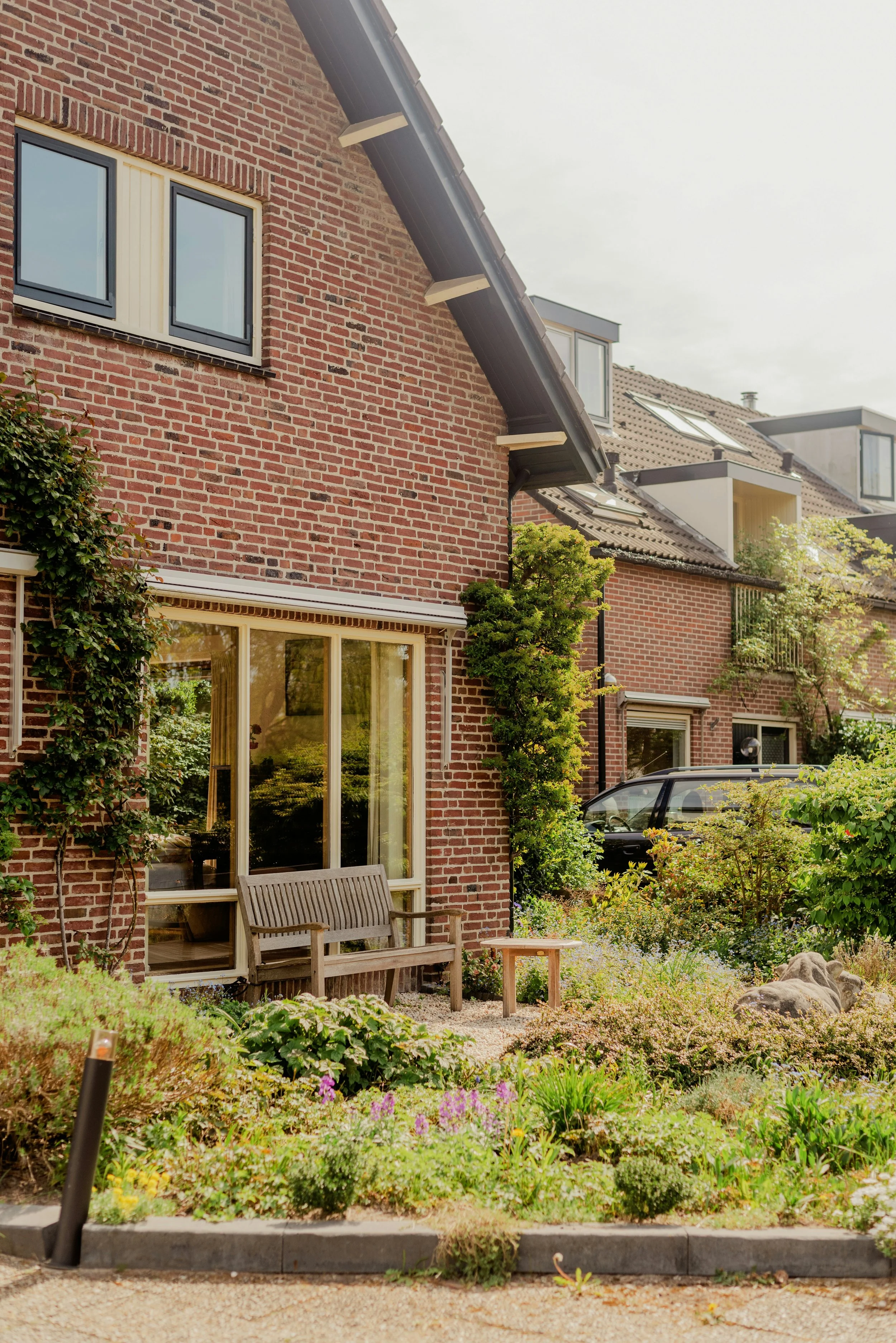
Landscaping can influence how much direct sunlight reaches your home and how much heat builds up around paved outdoor areas. Strategically positioned shade trees are one option. Deciduous trees can provide shade during warmer months and then lose their leaves, allowing more sunlight through in winter. Locations along western exposures can be particularly useful when intense afternoon sun contributes to indoor overheating.
However, don't plant based only on where shade looks useful today. Consider the tree's mature height and canopy, root system, distance from the foundation, roof clearance, underground utilities, and overhead power lines. Plants shouldn't create moisture or maintenance problems either. Dense shrubs pressed tightly against exterior walls can reduce access, restrict drying, and make inspections more difficult. Leave adequate space to maintain airflow around the building and any outdoor mechanical equipment.
If you live in a dry climate, prioritize landscaping that fits local water availability. Drought-tolerant plants, permeable surfaces, and carefully positioned shade may help make outdoor areas more comfortable without creating high irrigation demands.
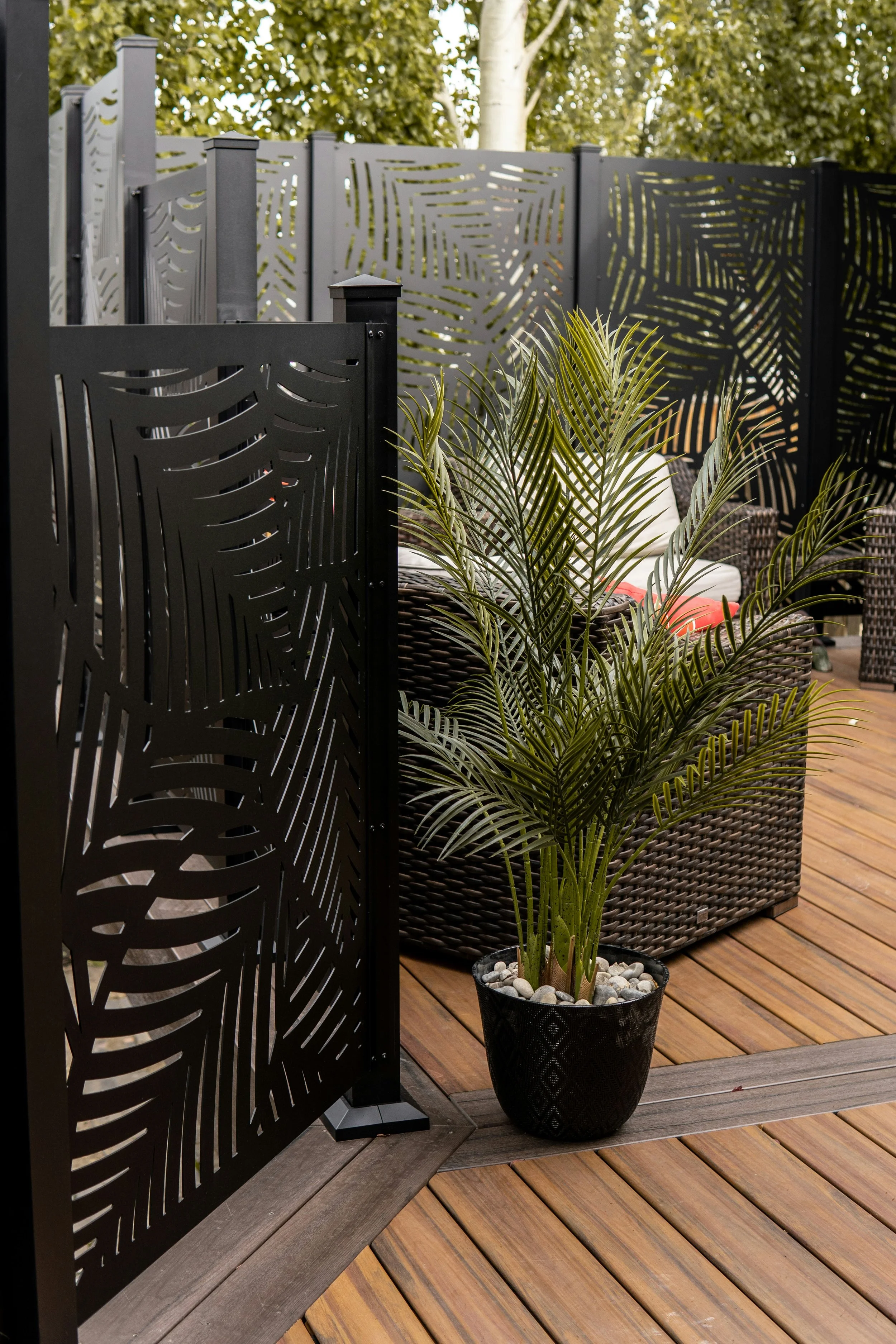
Even smaller improvements can matter. A shaded patio, pergola, or well-placed planting bed can reduce reflected heat reaching nearby walls and windows while making the outdoor space more pleasant to use.
05) Measure the Problem Before Choosing the Upgrade
The most cost-effective energy improvement usually solves a problem your home actually has. Before starting a project, gather a little information. Track which rooms get uncomfortable, when it happens, and whether the issue changes by season. Review your utility use over several months rather than relying on one unusually expensive bill.
You might also consider a professional home energy assessment if you're unsure where energy is being lost. An assessment may help identify issues such as:
Air leakage
Insufficient insulation
Duct problems
Window or door leakage
Uneven temperatures
HVAC inefficiencies
Areas with excessive solar heat gain
Once you've completed an improvement, keep paying attention. Did the upstairs stay cooler this summer? Does the west-facing room remain comfortable later in the afternoon? Is the heating system running less frequently on similar winter days?
Utility bills can help, but compare similar weather periods when possible. Energy use naturally changes based on outdoor temperature, occupancy, electricity rates, and household habits. Comfort improvements can be meaningful too, even when the exact dollar savings aren't dramatic.
Takeaway
Lowering home energy costs often works best when you think about the house as a system rather than searching for one miracle upgrade. Attic ventilation, air sealing, insulation, roofing, windows, shading, and landscaping all influence heat in different ways. The right combination depends on your climate and where your particular home is gaining or losing energy.
Start by identifying the rooms and seasons that create the biggest problems. Then prioritize improvements that fit naturally into maintenance or renovation projects you already need to complete. A roof replacement may be an opportunity to explore reflective materials. New windows may be a chance to improve glazing and solar control. Landscaping can provide shade while improving the outdoor space at the same time.
Small architectural decisions become much more valuable when they're targeted to the way your home actually performs.
Learn how to choose the right water heater size for your home by comparing peak-hour demand, first-hour rating, tank capacity, energy source, and installation space. The right fit helps your household maintain reliable hot water without paying for more capacity than you need.