
5 Ways to Protect Your Home's Exterior From Damage
sharing is caring :)
Disclaimer: Je’Ana C. curates the Shades of Tatiana product selections. We only recommend products we genuinely love. If you buy something through our affiliate links, we may earn a small commission at no cost to you.
Your home's exterior does more than create a first impression. Your roof, siding, gutters, solar panels, patio, landscaping, and other outdoor features represent investments in your property's comfort, function, and value.
While weather is one of the most obvious threats to these areas, it's not the only one. Birds and other unwanted visitors can find surprisingly convenient places to nest around roofs, gutters, vents, and solar panels. Over time, nesting materials, droppings, and debris can create messes, interfere with drainage, and make exterior maintenance more difficult.
Protecting your home doesn't mean constantly worrying about everything that could go wrong. It means paying attention to vulnerable areas, addressing small problems early, and creating a maintenance routine that helps your exterior investments last as long as possible.
RELATED ARTICLE: 8 Exterior Home Improvements That Add Instant Value
How to Protect Your Home's Exterior Investments
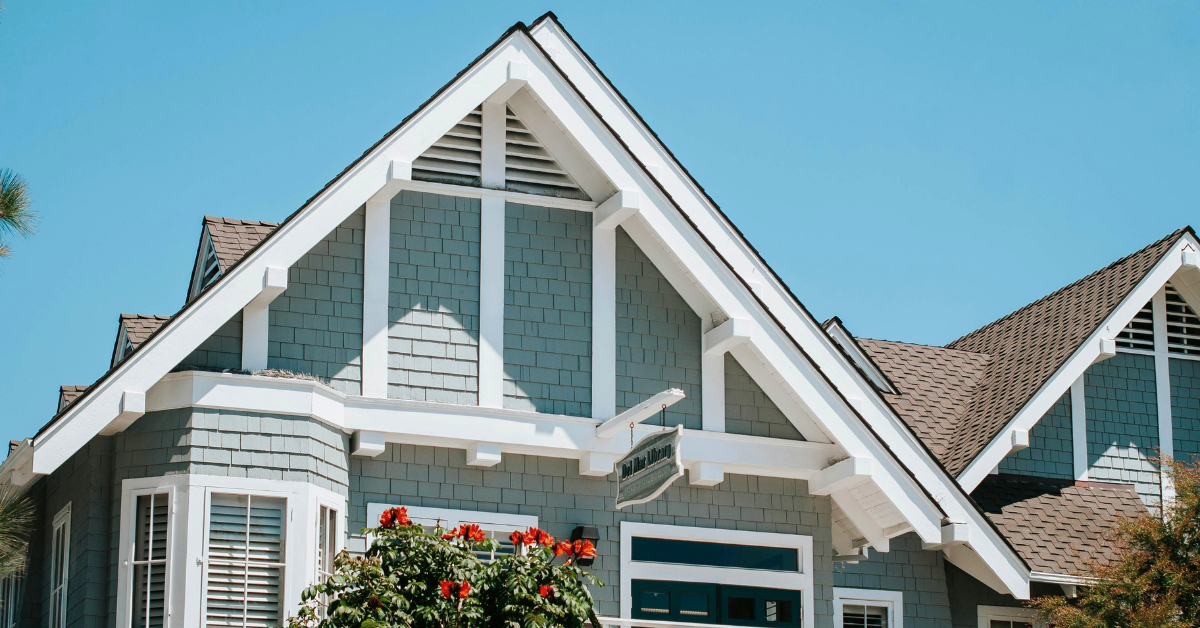
Photo by Aubrey Odom on Unsplash
01) Recognize the Value of Your Exterior Investments
When people think about investing in a home, renovations such as kitchens and bathrooms often get the most attention. But the exterior deserves just as much consideration. A well-maintained roof protects everything beneath it. Siding shields your home from the elements while boosting curb appeal. Gutters direct water away from vulnerable areas, and additions like solar panels can be a significant long-term investment.
Thinking about your entire property is an important part of protecting your most important investment. Keeping exterior features clean, functional, and in good repair can prevent small maintenance concerns from becoming much more expensive problems. Routine care also makes it easier to notice changes. A loose piece of siding, overflowing gutter, damaged roof component, or debris accumulating beneath solar panels is much easier to address when you spot it early.
02) Understand Why Birds Are Attracted to Roofs and Solar Panels
Roofs naturally provide birds with elevation and relative protection from activity on the ground. Add solar panels, and the sheltered gap between the panels and roof can create an even more appealing location for certain birds to investigate or nest. Once birds settle in these areas, they can leave nesting material, feathers, food debris, and droppings behind. Nesting material may also end up in nearby gutters or drainage areas, creating additional maintenance concerns.
The problem isn't simply that birds are present. It's what can happen when nesting activity repeatedly occurs in areas that are difficult to reach and clean. Watch for frequent bird activity around the same section of your roof, especially if you regularly see birds disappearing underneath solar panels or carrying nesting material. Catching activity early may make exclusion considerably easier than dealing with an established nesting area later.
03) Use Humane Barriers to Discourage Nesting
If birds repeatedly return to the same part of your home, simply trying to scare them away may not provide a lasting solution. Physical exclusion is often more practical because it prevents birds from accessing the area in the first place. Depending on where they're gathering, options may include:
Bird Spikes: When properly installed, these can discourage birds from landing or roosting on ledges, beams, and similar surfaces.
Netting: Appropriate netting can restrict access to larger sheltered areas such as certain eaves or open structures.
Exclusion Mesh: Mesh installed around the perimeter of solar panels can help block access to the protected space underneath them while leaving the panels exposed to sunlight.
Because solar arrays, roofing materials, wiring, and mounting systems can be sensitive, professional installation may be worth considering. Professional pigeon proofing can help homeowners explore exclusion options designed around the existing roof and solar setup. Before removing an active nest or installing a barrier, also check applicable wildlife rules. Some bird species and active nests may be legally protected, so timing and removal methods can matter.
More in Home:
04) Protect Your Exterior From More Than Pests
Bird activity is only one of the challenges your home's exterior faces year-round. Sun exposure, moisture, wind, storms, falling branches, leaves, temperature changes, and ordinary aging can all gradually affect exterior materials. Creating a basic plan for risk management for outdoor property can help you identify vulnerable areas before they require major repairs.
Get into the habit of visually checking your property throughout the year, especially after severe weather. Look for things such as:
Missing or visibly damaged roofing materials
Loose or cracked siding
Gutters that are sagging, overflowing, or pulling away
Blocked downspouts
Damaged screens or exterior vents
Tree branches touching or hanging dangerously close to the roof
Debris collecting around solar panels or other rooftop equipment
Seasonal maintenance can help too. Cleaning gutters, trimming vegetation where appropriate, checking drainage, and keeping exterior surfaces free of heavy buildup can all help protect the larger investments you've already made in your home.
05) Keep Solar Panels Clear and Well Maintained
Solar panels are designed to spend their lives outdoors, but that doesn't mean they should be completely forgotten once they're installed. Leaves, dust, pollen, and bird droppings can accumulate on panel surfaces. How much that buildup affects energy production will vary depending on your climate, roof angle, rainfall, and the amount of debris around your property.
Instead of automatically cleaning panels on a fixed schedule, periodically monitor their condition and energy output. If you notice significant buildup or an unexplained decline in performance, check your manufacturer's maintenance recommendations or contact a qualified professional.
Safety should come first. Climbing onto a roof to clean panels can create a much bigger problem than a little dirt, particularly on steep, wet, or difficult-to-access roofs. Professional cleaning may be the better choice when panels can't be reached safely from the ground. If birds frequently gather beneath your solar array, addressing the nesting issue can reduce debris around the system and make ongoing maintenance easier.
Takeway
Protecting your home's exterior doesn't require waiting until something breaks before taking action. Small preventative steps can make it much easier to preserve the roof, solar panels, siding, gutters, and other features you've already invested in.
Regularly look for changes, keep drainage areas clear, watch for repeated bird activity, and address maintenance concerns before they become bigger problems. When specialized equipment or difficult-to-access areas are involved, don't hesitate to bring in a qualified professional rather than risking damage or injury by handling everything yourself. Your home's exterior works constantly to protect everything inside it. A little attention throughout the year can help preserve its appearance, performance, and value for years to come.
What's one exterior maintenance task that's always on your home-care checklist?








Learn how to choose the right water heater size for your home by comparing peak-hour demand, first-hour rating, tank capacity, energy source, and installation space. The right fit helps your household maintain reliable hot water without paying for more capacity than you need.