
How to Create a Safer, More Comfortable Home
sharing is caring :)
Disclaimer: Je’Ana C. curates the Shades of Tatiana product selections. We only recommend products we genuinely love. If you buy something through our affiliate links, we may earn a small commission at no cost to you.
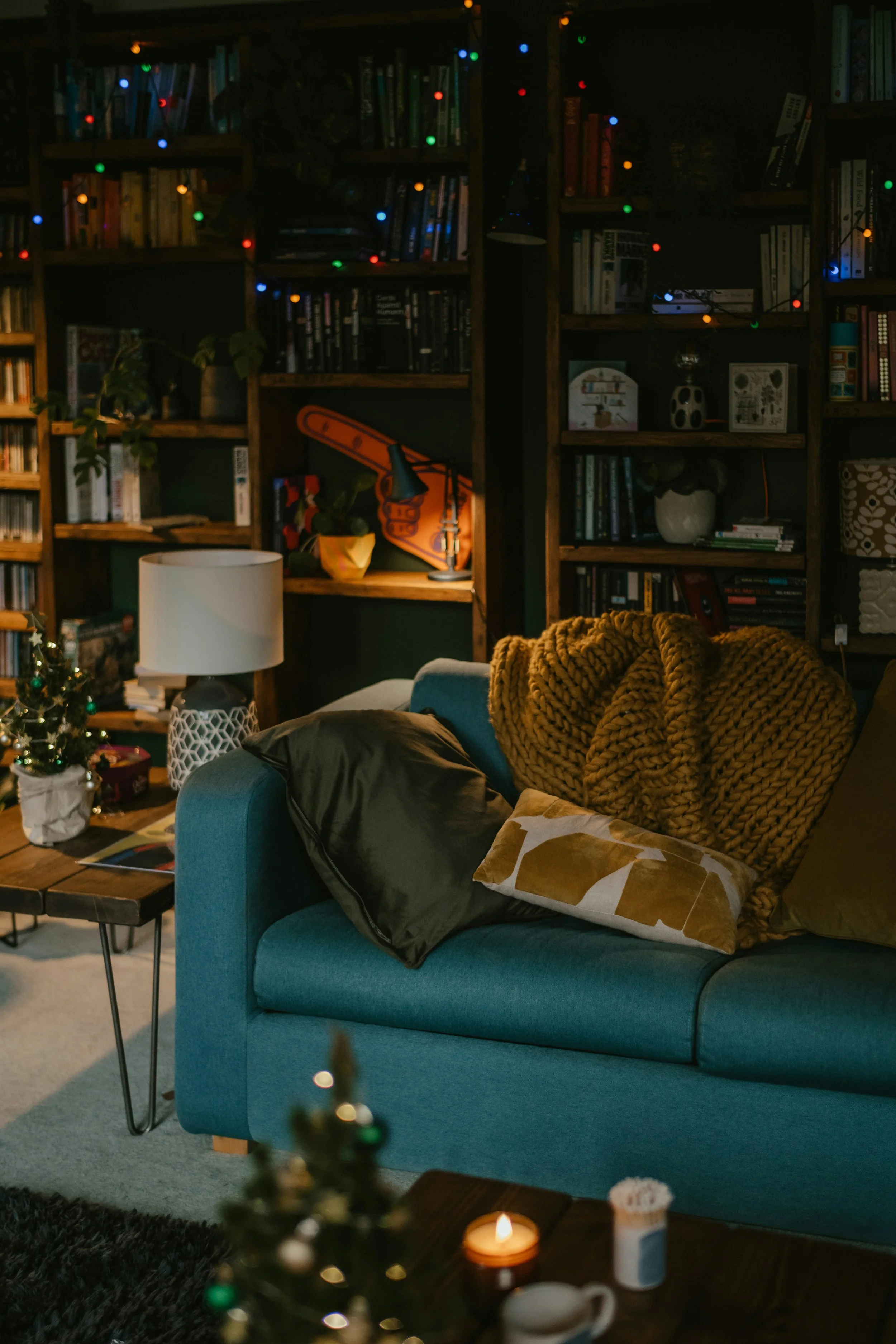
A home that truly feels like a sanctuary is about more than beautiful furniture, calming paint colors, and perfectly styled rooms. It's a place where you can relax, recharge, and go about everyday life without constantly worrying about preventable hazards.
That sense of comfort is closely connected to feeling secure. Fortunately, creating a safer home doesn't mean turning your space into a fortress or obsessing over everything that could go wrong. It's about noticing potential risks, preparing for realistic emergencies, and putting simple systems in place that make your home easier and safer to live in.
Many of these improvements can happen gradually and without compromising your personal style. By combining thoughtful design with practical safety measures, you can create a home that feels welcoming while supporting the people who live there.
RELATED ARTICLE: How to Design a Home That Supports Your Well-Being
5 Simple Ways to Create a Safer Home
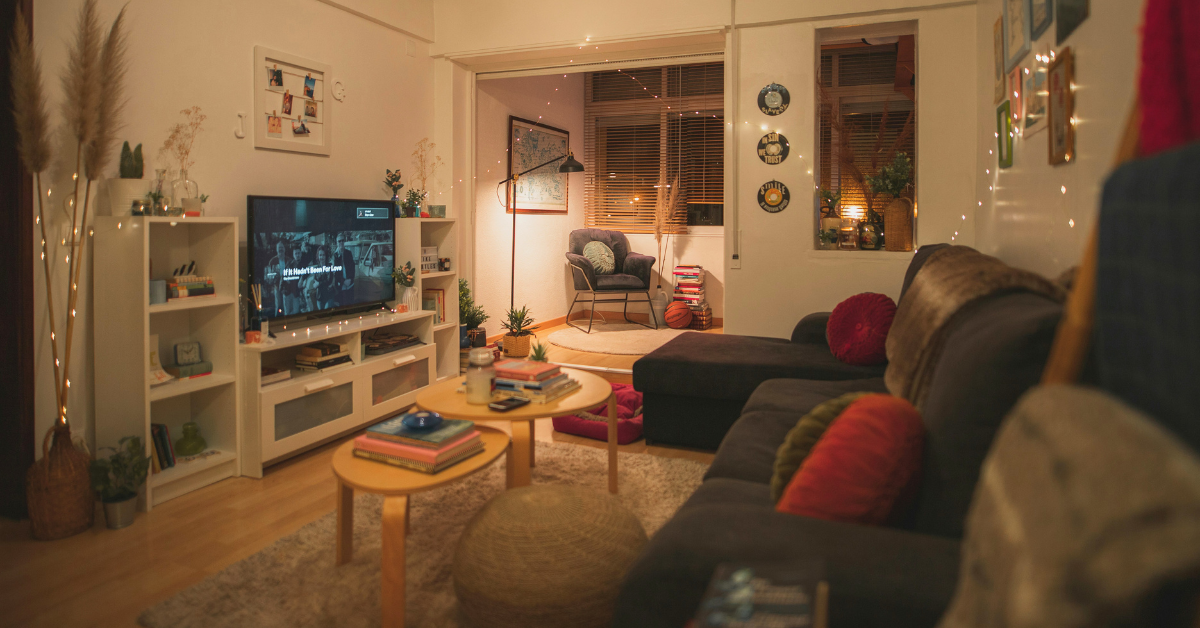
Photo by Joao Macedo on Unsplash
01) Make Safety Part of Your Home Design
When decorating a home, it's natural to focus on how a space looks. But some of the best design decisions also make everyday life safer and more functional. Start by viewing your rooms through a practical lens. Are walkways easy to navigate? Is tall furniture stable? Are frequently used items within comfortable reach? Are cords creating tripping hazards? Does the lighting make stairs and hallways easy to see at night?
Thinking about these details is an important part of creating a safe home environment without sacrificing the look you want. Your household will determine which precautions matter most. A home with young children may need cabinet locks, outlet protection, and anchored furniture. Pet owners may need to secure medications, certain plants, foods, and cleaning supplies. Older adults or people with mobility challenges may benefit from brighter lighting, clear walkways, non-slip flooring, or additional bathroom support.
Safety doesn't need to look clinical. Many practical changes can blend naturally into your existing decor while making your home easier for everyone to use.
02) Check the Most Common Trouble Spots
You don't need to inspect every inch of your house at once. Start with the rooms you use most, and look for small problems you can easily fix.
A few areas to consider include:
Kitchen: Store cleaning supplies, medications, sharp tools, and other potentially hazardous items appropriately. Keep frequently used objects within easy reach so you aren't regularly climbing or stretching for them.
Living Areas: Secure tall or unstable furniture when appropriate, keep cords out of major walkways, and make sure rugs aren't constantly sliding or curling at the corners.
Bathroom: Use non-slip surfaces where needed, keep electrical devices away from water, and consider setting your water heater to a temperature that reduces scalding risk while still meeting your household's needs.
Bedrooms: Keep exits and pathways reasonably clear, particularly at night, and make sure appropriate smoke alarms can be heard from sleeping areas.
Stairs and Hallways: Keep these areas well lit and free from clutter. Loose rugs, boxes, bags, and poorly placed furniture can easily become tripping hazards.
Make these checks part of your normal home maintenance, not something you do once and forget. Your household also changes over time. A setup that worked perfectly a few years ago may need adjustments when you bring home a pet, have children, welcome an older relative, or simply rearrange your furniture.
03) Prepare Before an Emergency Happens
Emergencies are much easier to navigate when you don't have to figure everything out in the moment. Start with a few basics. Keep a first-aid kit somewhere household members can access quickly. Store flashlights in predictable locations and check their batteries periodically. A charged portable power bank can also help during power outages or when you temporarily lose access to electrical outlets.
Fire preparedness deserves particular attention. Make sure your home has properly placed, working smoke alarms, carbon monoxide alarms where needed, and suitable fire extinguishers. Older household members should know where emergency equipment is located and how they should respond. You can also learn more about prevention through resources such as fire safety training, particularly if you want a better understanding of common fire risks and emergency procedures.
Don't stop at buying equipment. Create a basic evacuation plan, too. Think about how you'd leave different parts of the home, what you'd do if a normal exit couldn't be used, where everyone should meet outside, and how pets would be handled when possible. You may never need the plan, but knowing it exists can reduce uncertainty during an already stressful situation.
More in Home:
04) Make Home Safety a Shared Responsibility
A safety plan works best when everyone in the household understands it. You don't need to make the conversation frightening, especially with children. Focus on simple, age-appropriate information about what to do if something unexpected happens.
Household members should know things such as:
How to contact emergency services.
Where the first-aid kit is stored.
What smoke and carbon monoxide alarms sound like.
Which exits they can use during an emergency.
Where everyone should meet outside after evacuating.
Which adults or emergency contacts they can call.
What they should never attempt to handle themselves.
Practice can help too. Occasionally reviewing an evacuation route or reminding everyone about the meeting point makes the information easier to remember.
These conversations can also extend to everyday habits, such as keeping exits clear, locking doors, putting hazardous products away, reporting electrical problems, or telling someone when an alarm begins making an unfamiliar sound. When everyone participates, safety becomes part of maintaining a comfortable place to live, not a responsibility that falls entirely on one person.
05) Use Smart Technology Where It Adds Real Value
Technology can add another layer of awareness to your home, particularly when you're away. You don't need every smart-home gadget available. Focus on devices that solve an actual problem for your household.
Depending on your needs, that could include:
Smart smoke or carbon monoxide alarms that can send certain alerts to your phone.
Video doorbells or exterior cameras that let you see activity around entrances.
Smart locks that make it easier to manage access without hiding spare keys outside.
Water leak sensors near washing machines, water heaters, sinks, or other areas where a leak could cause significant damage.
Smart lighting that can automatically illuminate entrances, stairs, or other important areas.
Temperature or environmental sensors that can alert you to unusual conditions while you're away.
Technology works best as an additional tool, not a replacement for basic safety habits. The idea is similar to how self-care meets smart tech in other parts of everyday life. Technology should make useful information easier to access or help you respond more quickly, not create unnecessary complexity.
Before adding connected devices, consider privacy and security too. Use strong passwords, enable available account protections, keep software updated, and understand what information each device collects. The smartest home isn't necessarily the one with the most technology. It's the one where the technology you have serves a clear purpose.
Takeaway
Creating a safer home isn't about preparing for disaster every minute of the day. It's about reducing preventable risks so you can feel more comfortable enjoying the space you've created.
Start small. Clear a tripping hazard. Test your alarms. Update your first-aid kit. Decide on an outdoor meeting point. Secure a piece of unstable furniture. Add a leak sensor somewhere a hidden water problem could become expensive. Then revisit your home periodically as your household and needs change.
A beautiful home should support the people living inside it. When you consider comfort, functionality, and safety together, you create more than a well-designed space. You create a home where everyone can feel more at ease.
Learn how to choose the right water heater size for your home by comparing peak-hour demand, first-hour rating, tank capacity, energy source, and installation space. The right fit helps your household maintain reliable hot water without paying for more capacity than you need.