
How to Design a Home That Supports Your Well-Being
sharing is caring :)
Disclaimer: Je’Ana C. curates the Shades of Tatiana product selections. We only recommend products we genuinely love. If you buy something through our affiliate links, we may earn a small commission at no cost to you.
Your home doesn't have to look like a luxury wellness retreat to feel peaceful. Sometimes it's the smallest details that determine whether a space feels relaxing or slightly chaotic. A room that's difficult to move through, harsh lighting at night, clutter covering every surface, or a workspace that never disappears can all affect how easy it feels to unwind at home.
On the other hand, thoughtful design choices can make everyday routines feel considerably more comfortable. Opening the curtains in the morning, creating a cozy reading corner, choosing materials and textures you genuinely enjoy, rearranging furniture for better flow, or adding a little greenery can completely change how you experience a room without requiring a major renovation.
The goal isn't to create a perfectly styled home. It's to create an environment that supports the way you actually want to feel when you're there. Maybe you want your bedroom to feel quieter at the end of the day. Perhaps your living room needs to be more comfortable for relaxing, or your home office needs clearer boundaries between work and personal time. Whatever wellness at home means to you, thoughtful design can help support it.
Here are five ways to create a home that feels calmer, more comfortable, and easier to enjoy.
RELATED ARTICLE: Intentional Living at Home: 5 Easy Ways to Start
Ways to Design a Home for Wellness and Serenity
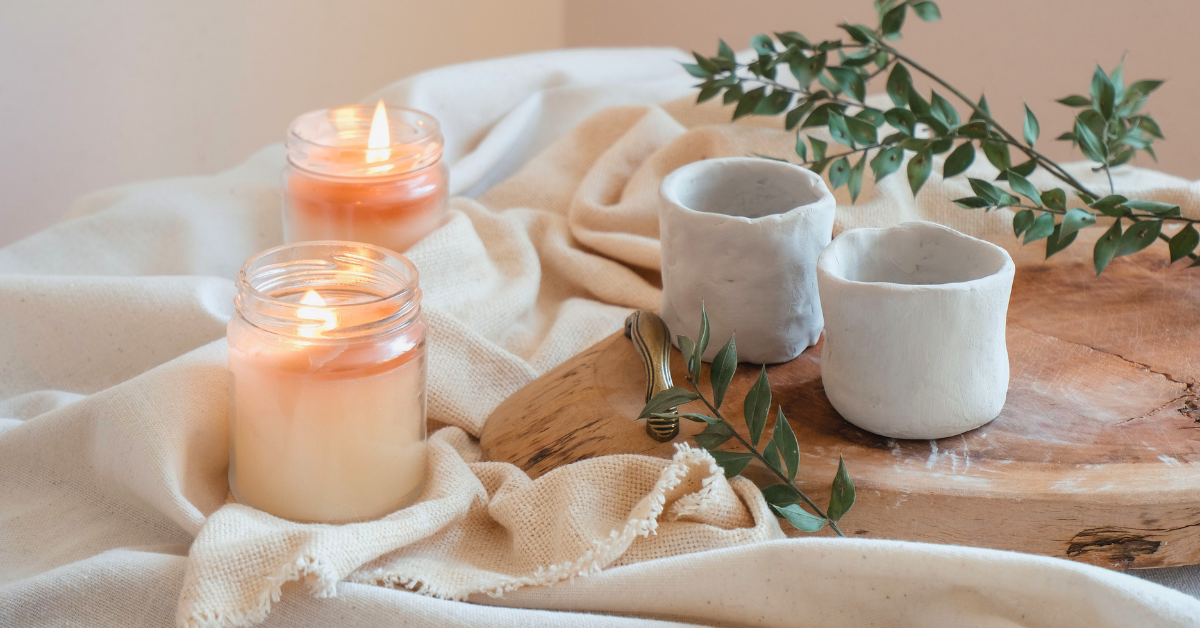
Photo by hello aesthe
01) The Impact of Space on Mood
Have you ever walked into a room and immediately felt comfortable, while another space made you want to leave almost as quickly? There usually isn't one single reason. Layout, lighting, color, noise, furniture placement, clutter, and how easily you can move around can all contribute to a space's overall feeling.
Learning more about how design impacts mental health can give you ideas for thinking more intentionally about the relationship between your surroundings and how you experience them. But you don't need to understand every design principle before making improvements. Start by walking through your home and noticing where you naturally feel comfortable and where you don't.
Ask yourself:
Does this room feel cramped?
Is there too much furniture?
Are the walking paths clear?
Is there enough storage for what actually lives here?
Does the room receive enough light?
Are there surfaces constantly covered with clutter?
Does the space support what I use it for?
Sometimes a simple furniture adjustment can make a surprising difference. Moving an oversized chair, clearing a walkway, creating distinct areas for different activities, or removing something you no longer use may improve the flow without costing anything. If you're building rather than renovating an existing space, working with a custom home builder can also give you the chance to consider those needs before the home is built.
You might prioritize natural light, convenient storage, quieter bedroom placement, flexible workspaces, or an open layout that better suits how your family spends time together. Whether you're starting from scratch or working with the home you already have, design becomes more useful when it starts with one question: How do I want this space to function and feel?
02) Make Natural Light and Fresh Air Easier to Enjoy
Few things can change the atmosphere of a room as quickly as opening the curtains. Natural daylight can make a space feel brighter, more open, and more connected to what's happening outside. Start by looking at whether anything is unnecessarily blocking your windows. Heavy window treatments, oversized furniture, or cluttered windowsills can sometimes reduce the amount of daylight reaching the room.
You might try:
Opening curtains or blinds first thing in the morning
Choosing lighter window treatments where privacy allows
Moving furniture away from windows
Placing mirrors where they can reflect daylight
Keeping windows clean
Positioning frequently used seating closer to natural light
Think about your daily routine too. If you drink coffee every morning, you could create a small spot near a sunny window. If you work from home, moving your desk closer to daylight may make your workspace feel much more pleasant. Fresh air can also make a home feel less stuffy. When weather, outdoor air quality, safety, and your home's ventilation allow, opening windows can be an easy way to bring outside air indoors.
You don't necessarily need to follow an arbitrary rule about keeping them open for a specific number of minutes. Instead, make ventilation part of your normal home routine when conditions make sense. You can also use kitchen and bathroom exhaust fans appropriately and stay on top of HVAC filter maintenance where applicable. The goal is simply to avoid creating a home that feels permanently closed off from the outdoors.
03) Choose Materials and Textures That Feel Good to Live With
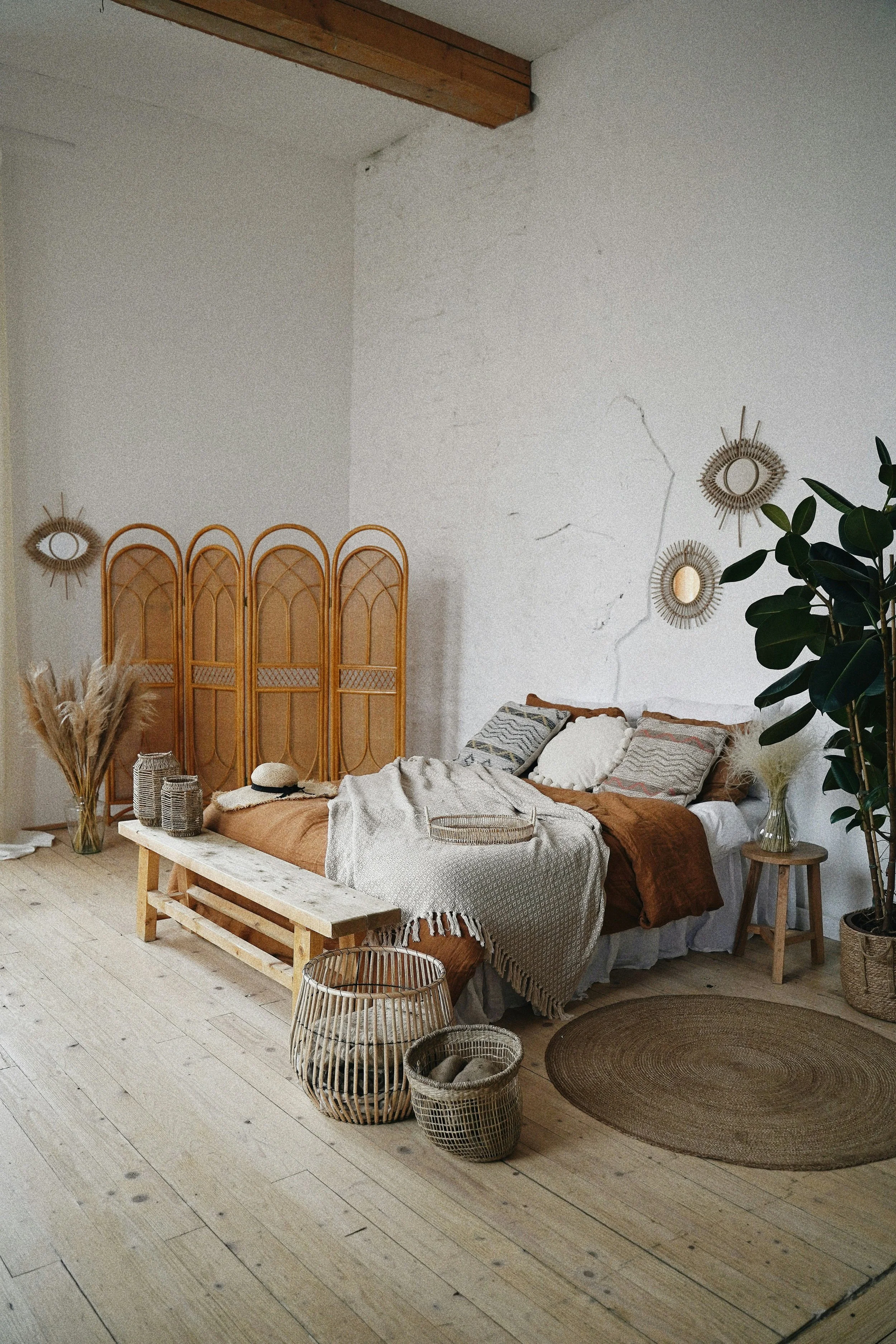
Materials influence both how a room looks and how it physically feels. A smooth wooden table, linen bedding, a soft cotton blanket, stone accents, woven baskets, or a comfortable wool rug can introduce warmth and texture without requiring an elaborate decorating scheme. Using natural materials is one way to bring those organic textures into your home.
You might incorporate:
Wood furniture
Linen curtains
Cotton bedding
Wool or woven throws
Stone or ceramic decor
Rattan baskets
Jute or wool rugs
But don't feel like every synthetic material automatically needs to disappear. Comfort, durability, maintenance, budget, allergies, pets, children, and how you use the space should all influence what materials make sense in your home. For example, you may love the appearance of a delicate natural-fiber sofa but realistically need something easier to clean. That's perfectly fine.
A wellness-focused home should make everyday life easier, not give you another collection of things you're afraid to touch. Think about texture from a comfort perspective too. What kind of sheets do you actually enjoy sleeping in? What blanket do you always reach for? Is your sofa comfortable enough to spend an evening on? Does your bedroom rug feel good under your feet first thing in the morning? The best materials aren't necessarily the trendiest ones. They're the ones that make you enjoy interacting with your home.
More Home:
04) Create One Space Dedicated to Slowing Down
Relaxation doesn't need an entire room. Sometimes all you need is one intentional corner. Look around your home for a small space that could become somewhere you naturally go when you want to slow down.
It might be:
An armchair beside a window
A corner of your bedroom
A small section of the porch
A window seat
Your bathtub
A floor cushion beside a bookshelf
A comfortable spot near your favorite lamp
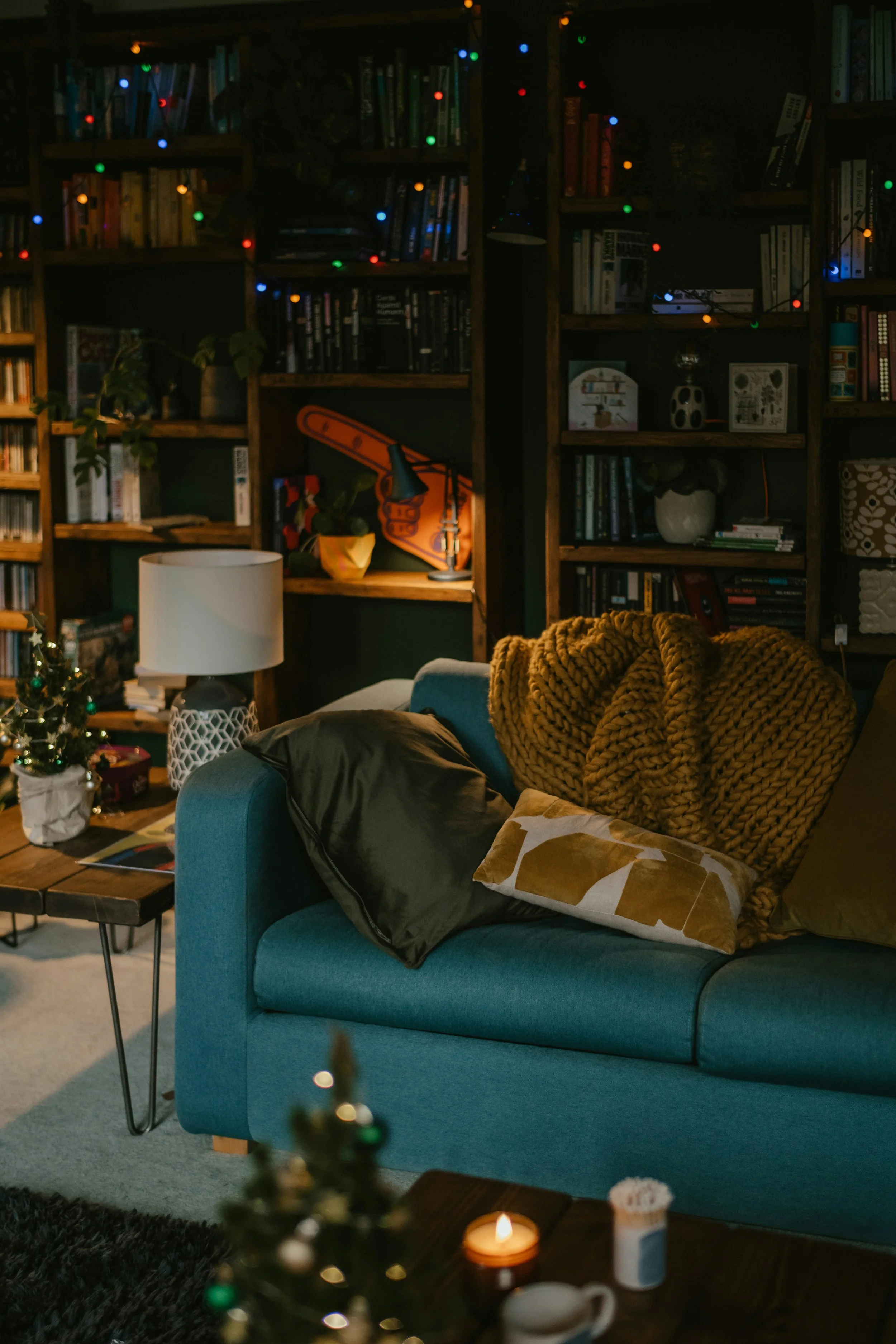
Then add only what supports the purpose of that space. For a reading corner, that might mean a comfortable chair, good lighting, a blanket, and a place to set your drink. For a quiet morning space, you might keep a journal nearby and create somewhere comfortable to enjoy coffee before beginning the day. For an evening relaxation corner, softer lighting, pillows, and a candle might be enough.
You could include:
A comfortable cushion or chair
A soft blanket
A few of your favorite books
A plant or fresh flowers
A candle with a soothing scent
Just as important is deciding what doesn't belong there. If possible, don't let your calm zone become overflow storage for laundry, work papers, unopened packages, or anything else without a home. You may also choose to keep laptops or work-related tasks out of that particular space. The goal is to create a small physical reminder that not every part of your home needs to be associated with productivity. Sometimes you need somewhere that's simply comfortable enough to sit.
05) Bring Elements of Nature Indoors
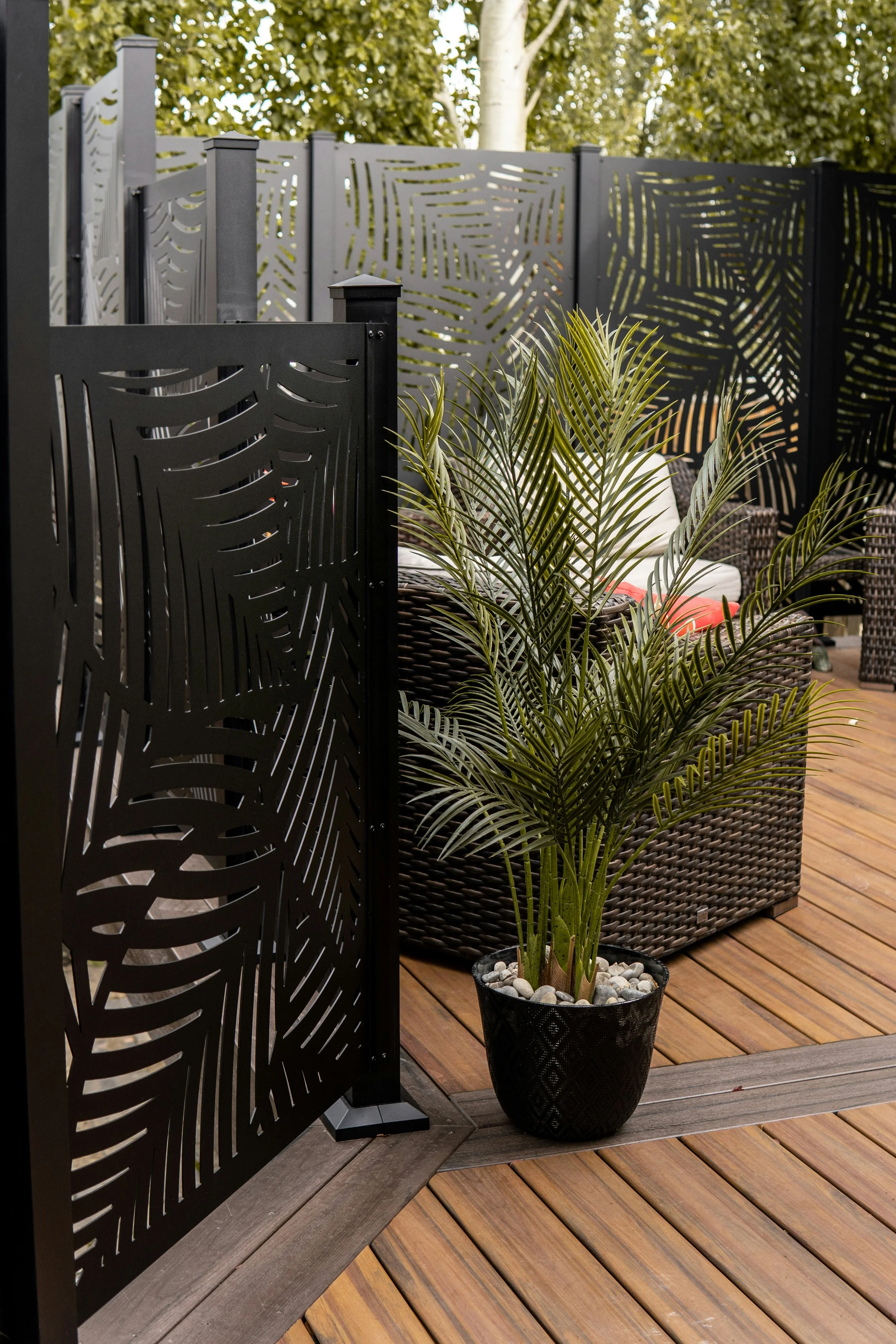
You don't need floor-to-ceiling windows overlooking the mountains to feel more connected to nature at home. Small natural elements can make a space feel warmer and more visually interesting. Houseplants are one obvious option. They add greenery, shape, and texture while filling spaces that might otherwise feel unfinished.
If you're not particularly confident with plants, start small and choose varieties suited to the actual light and conditions inside your home rather than buying something solely because it looks beautiful online. And while houseplants are wonderful decorative additions, don't rely on them as a substitute for appropriate ventilation or indoor air-quality measures. You can also bring natural inspiration indoors without keeping a single plant alive.
Try incorporating:
Fresh or dried flowers
Botanical artwork
Landscape photography
Natural wood
Stone
Woven textures
Nature-inspired patterns
Colors pulled from outdoor environments
Soft greens, earthy browns, warm neutrals, muted blues, and other nature-inspired shades can be particularly easy to work into an existing space. This connection is often discussed through biophilic design. Ongoing research on biophilic design explores how incorporating nature-associated features into built environments may influence how people experience those spaces. You don't have to redesign your entire home around biophilic principles to experiment with the idea.
Start with what feels natural to you. That could be adding plants beside your favorite chair, displaying travel photos from places you love, introducing more wooden furniture, or simply arranging a room so you can see outside while you're sitting there. The goal isn't to make your home look like the outdoors. It's to bring a little more of what you enjoy about nature into the spaces where you spend your everyday life.
Takeaway
Designing a home for wellness and serenity doesn't mean turning every room into a perfectly curated oasis. Your home still needs to function. There will be laundry, dishes, workdays, clutter, pets, children, busy mornings, and all the ordinary things that make a home actually lived in. The goal is to make thoughtful choices within that reality.
Pay attention to how easily you can move through your rooms. Let in natural light where you can. Choose textures that feel as good as they look. Create one small space where you're allowed to slow down, and bring in elements of nature that make your surroundings feel warmer and more inviting. You don't have to tackle all five ideas at once either. Start with the room where you spend the most time and ask yourself what would make it feel 10% more comfortable.
You could move a chair closer to the window. Maybe you finally clear the pile from your nightstand. Or could swap harsh evening lighting for a table lamp or add a plant to an empty corner. A peaceful home usually comes from small, thoughtful decisions rather than one dramatic makeover.
Which room in your home would you most like to make feel calmer and more restorative?




Learn which garage door maintenance tasks you can safely handle yourself and which problems to leave to a professional. From basic inspections and lubrication to safety tests and warning signs, these practical tips can help you keep your garage door working smoothly without taking unnecessary risks.