
5 Moving Tips for a Stress-Free Family Transition
sharing is caring :)
Disclaimer: Je’Ana C. curates the Shades of Tatiana product selections. We only recommend products we genuinely love. If you buy something through our affiliate links, we may earn a small commission at no cost to you.
Moving into a new home can be exciting, but getting there is rarely as simple as packing a few boxes and picking up the keys. There's an entire household to organize, belongings to sort through, addresses to update, schedules to coordinate, and dozens of little decisions that somehow seem to appear at the same time. When you're moving with children, another important part of the transition is how everyone in the family feels about leaving one home and adjusting to another.
Even a move you're genuinely excited about can come with mixed emotions. Your children might be looking forward to a bigger bedroom while still feeling sad about leaving their neighborhood. You might be excited about decorating a new space while simultaneously wondering how you're supposed to pack your entire kitchen before moving day.
That's why making a family move easier isn't about eliminating every stressful moment. It's about preparing for the parts you can control, keeping a few familiar routines intact, and creating enough organization that your first days in the new house aren't spent searching through twenty boxes for someone's pajamas. With a thoughtful plan, the transition can feel much more manageable for everyone.
Here are five practical ways to make moving day easier and help your new house start feeling like home as quickly as possible.
RELATED ARTICLE: Buying a Fixer-Upper? Inspect These 3 Things First
Moving With Kids? 5 Tips for a Smoother Family Move
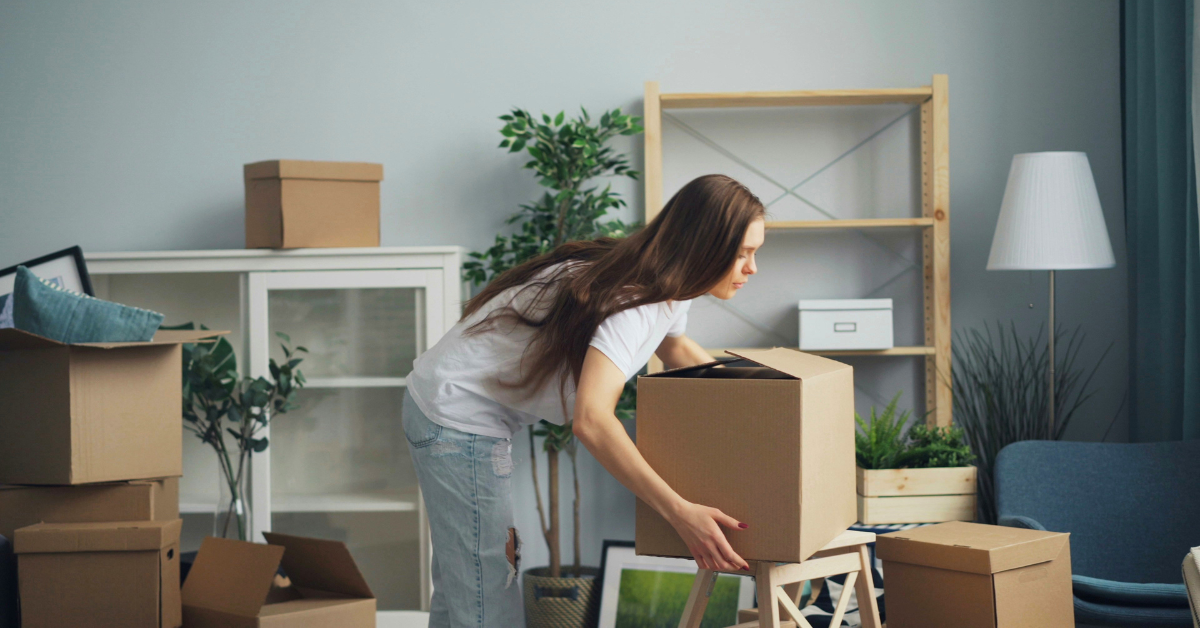
Photo by Vitaly Gariev on Unsplash
01) Start Earlier Than You Think You Need To
Moving becomes considerably more stressful when every task suddenly feels urgent. Consider preparing several weeks before moving day rather than waiting until you need to start putting everything into boxes.
Decluttering is a good place to begin. Go room by room and decide what you genuinely want to bring into your next home. Donate, sell, recycle, or responsibly dispose of items you no longer use, so you're not spending time and money moving belongings you'll eventually get rid of anyway.
You don't have to declutter the entire house in one weekend. Try breaking it into smaller categories:
Clothes that no longer fit
Toys your children have outgrown
Kitchen items you rarely use
Old paperwork
Bathroom and beauty products
Books
Seasonal decor
Storage areas you've been avoiding
Once packing begins, label boxes with more information than simply the room name. Instead of writing Kitchen, try: Kitchen: Everyday Dishes + Glasses or Kitchen: Pots, Pans + Cooking Utensils
You can also number boxes and keep a simple list on your phone showing what's inside each one. Another useful strategy is to create a moving folder, either digital or physical, where you keep important information such as moving contracts, receipts, utility details, new-home documents, school information, and anything else you may need quickly during the transition. The more decisions you make before moving week, the fewer things you'll have to figure out when everything becomes busy at once.
02) Decide Where Professional Help Would Make the Biggest Difference
It can be tempting to handle everything yourself, especially when you're trying to keep moving costs under control. But moving is both physically and mentally demanding, and trying to manage every box, piece of furniture, child, appointment, and logistical detail yourself can lead to burnout before you've even had the chance to settle into your new home.
Think realistically about where help would make the biggest difference. For some families, that means hiring movers for the entire process. For others, it might mean packing everything themselves but having professionals handle furniture and transportation. You could also ask friends or relatives to help with things that aren't directly related to lifting boxes, such as watching the kids, caring for pets, bringing dinner, or helping clean once the old house is empty.
If you're hiring movers, research companies early instead of waiting until your preferred moving date is approaching. Ask what's included in the quoted price, whether packing services are available, how fragile or oversized belongings are handled, and what you need to have completed before the movers arrive.
For families relocating in or around the area, professional Chicago movers can handle some of the physical logistics while you focus on everything else happening around the move. Professional help isn't necessary for every move, but there's also no award for doing absolutely everything yourself. Use your energy where your family needs it most.
03) Give Everyone in the Family a Role in the Move
Adults often know exactly why they're moving and what comes next. Children may experience the transition very differently. A move can mean leaving behind their bedroom, school, neighborhood, friends, familiar routines, or places they've grown attached to. Even when they're excited about the new home, they can still have complicated feelings about what's changing.
Give them opportunities to participate, rather than letting the move feel like something that's simply happening around them. Depending on their age, children could:
Pack some of their own belongings
Decorate or label their moving boxes
Choose which toys stay with them during the move
Help decide how their new bedroom will look
Choose a paint color or bedding
Make a list of places they want to explore near the new house
Help pack a family snack bag for moving day
You can also create a special box or backpack for each child filled with things they'll want access to immediately. Include a favorite stuffed animal, blanket, books, toys, tablet, headphones, coloring supplies, or anything else that provides entertainment or familiarity.
Try to keep conversations about the move realistic but positive. You don't have to pretend that leaving is easy. Instead, acknowledge what they'll miss while also talking about the things everyone can look forward to in the new home.
Maintaining a few familiar routines can help too. If you always read together before bed, keep doing that during moving week. If Friday is pizza night, ordering pizza on the first Friday in your new house can create a little continuity when everything else feels unfamiliar.
More in Home:





04) Pack for the First 24 Hours Separately
Imagine arriving at your new home after a long moving day and realizing every towel, charger, toothbrush, and pair of pajamas is somewhere inside a wall of identical boxes. Avoid that scenario by packing first-night essentials separately. Think of it less like another moving box and more like packing for a short overnight trip.
For each family member, consider including:
A change of clothes
Pajamas
Toiletries
Medications
Phone and device chargers
A towel
Favorite comfort items
A book or activity
Anything needed for the following morning
Then create a household essentials box or bag with things such as:
Toilet paper
Paper towels
Hand soap
Trash bags
Basic cleaning supplies
A few dishes or disposable alternatives
Water
Easy snacks
Coffee or tea supplies
Pet food and bowls, if needed
A basic toolkit
Scissors or a box cutter
Keep these items with you rather than loading them somewhere inaccessible inside the moving truck. You may also want to pack bedding separately and label it clearly. After an exhausting day, being able to make the beds without searching through boxes can feel like a small luxury.
Making the move feel stress-free and exciting often comes down to preparing for these ordinary moments. You don't need your entire house functioning perfectly on night one. You just need enough familiar things available that everyone can shower, eat something, charge their phones, and comfortably go to sleep.
05) Unpack for Comfort Before You Unpack for Perfection
Once everything has arrived, seeing an entire house filled with boxes can make you feel like you need to unpack it all. You don't. Instead, decide which rooms will make everyday life function again. For families with children, bedrooms can be a good place to start. Set up their beds, unpack a few favorite belongings, and create enough familiarity for their new room to start feeling like their space.
Then focus on the rooms everyone needs most. A practical order might be:
Bedrooms and bedding
Bathrooms
Basic kitchen essentials
Everyday clothing
Main living area
Everything else
Following these stress-free moving tips can help you approach unpacking more strategically instead of feeling like every box deserves equal attention. Don't worry about decorating immediately either. Your artwork doesn't need to be hung during the first weekend. Bookshelves don't need to be perfectly styled, and every storage system doesn't have to be figured out before you've had time actually to live in the house.
Give yourself a chance to understand the new space. You may discover that furniture works better in a different arrangement than you originally imagined or that certain storage areas make more sense once your daily routines begin.
Focus first on creating a few pockets of comfort. Make the beds. Put towels in the bathroom. Set up the coffee maker. Place a lamp beside the sofa. Bring out familiar blankets, family photos, or a few favorite decorative pieces. Those small details can make an unfamiliar house feel much more like yours while the rest of the unpacking happens gradually.
Takeaway
A family move doesn't have to feel perfectly organized to be successful. There will probably still be boxes you can't find, plans that change at the last minute, and at least one moment when you wonder why you own so much stuff.
What makes the transition easier is preparing for the moments that matter most. Start packing early enough that everything isn't happening at once. Ask for help where you need it. Give children ways to participate in the move, keep everyone's first-night essentials close, and unpack the rooms that restore your family's everyday routines first.
Then give your new home time to become familiar. You don't need every room decorated during the first week. Sometimes feeling at home begins much more simply: everyone's favorite blankets are back on their beds, dinner is being eaten around the table again, and you finally know which box contains the coffee mugs. The memories and routines you build afterward will take care of the rest.
What's the first thing you always unpack to make a new house feel more like home?




Learn which garage door maintenance tasks you can safely handle yourself and which problems to leave to a professional. From basic inspections and lubrication to safety tests and warning signs, these practical tips can help you keep your garage door working smoothly without taking unnecessary risks.