
Garage Door Maintenance: What to DIY and When to Call a Pro
sharing is caring :)
Disclaimer: Je’Ana C. curates the Shades of Tatiana product selections. We only recommend products we genuinely love. If you buy something through our affiliate links, we may earn a small commission at no cost to you.
Your garage door is one of the largest and heaviest moving systems in your home, and depending on your household, it may open and close several times every day. That regular use means hinges, rollers, tracks, hardware, springs, cables, and the opener all experience wear over time.
Fortunately, homeowners can handle several basic maintenance tasks without disassembling the system. Regular visual checks, cleaning, proper lubrication, and safety testing can help you catch changes before they become bigger problems.
The important part is knowing where DIY maintenance should stop. Garage door springs and cables operate under significant tension, and certain repairs can be dangerous without the right training and tools. A good maintenance routine isn't about fixing everything yourself. It's about taking care of the simple things and recognizing when it's safer to call a professional.
RELATED ARTICLE: 5 Things to Consider Before Building an In-ground Pool
5 Garage Door Maintenance Tips
01) Start With a Simple Visual and Operational Check
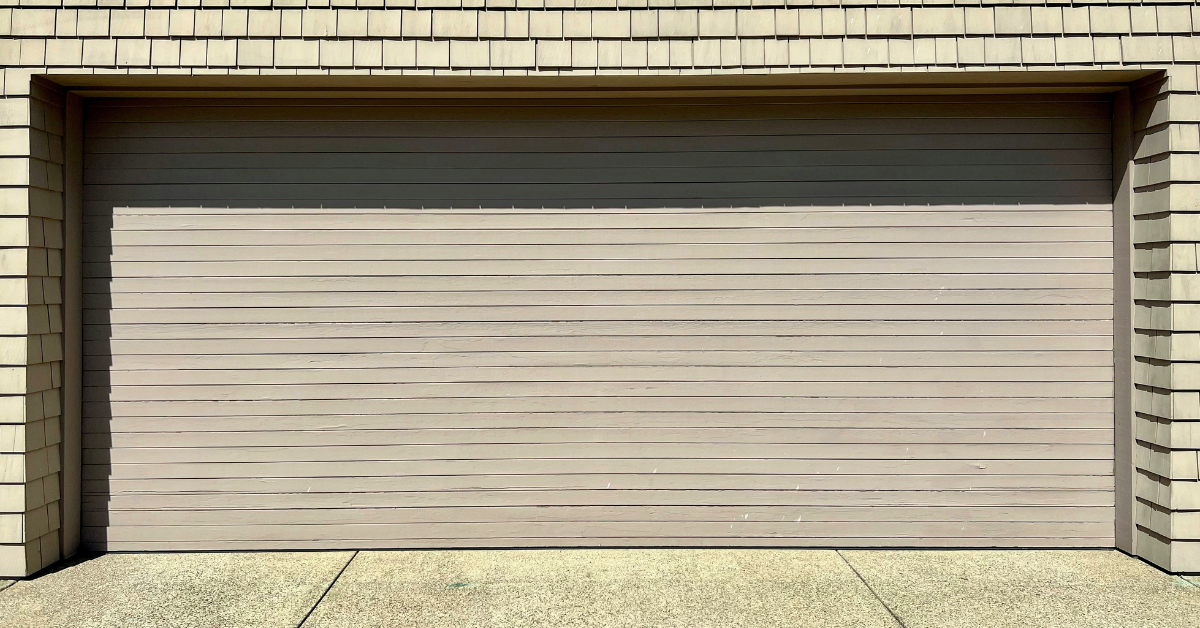
You don't need to disassemble anything to learn a lot about your garage door's condition. Every so often, watch and listen while the door completes a full opening and closing cycle. Watch for smooth, even movement, or for jerking, shaking, hesitation, or new noises.
With the door fully closed, visually inspect accessible parts of the system. Look for:
Loose or visibly damaged hardware
Bent or damaged tracks
Worn or cracked rollers
Frayed or loose cables
Damaged weather stripping
Rust or corrosion
Gaps or visible damage in the springs
Debris collecting around the tracks
Sections of the door that appear crooked or uneven
Don't touch, adjust, or tighten hardware connected to the spring or cable system. You can also check the door's balance, but only if there are no obvious signs of damaged springs, cables, or other major problems. With the garage door fully closed, follow your opener manufacturer's instructions to disengage the automatic opener. Carefully lift the door manually to about halfway and see whether it stays reasonably in place.
If the door feels unusually heavy, moves unpredictably, won't remain in position, or is difficult to control, stop using it manually and have the system inspected. A balance problem can indicate that the spring system needs professional attention.
02) Keep Appropriate Parts Clean and Lubricated
Dirt and normal wear can make a garage door noisier and place additional strain on moving components. Start by keeping the tracks free from visible debris. A clean cloth can remove dust and buildup, but avoid coating the track itself with grease unless the manufacturer specifically recommends it. Excess lubricant inside the tracks can collect dirt and interfere with smooth roller movement.
For parts that are intended to be lubricated, follow the door manufacturer's maintenance instructions and use an appropriate garage-door-specific lubricant. Depending on the system, lubrication may be appropriate for accessible moving points such as:
Hinges
Roller bearings or stems
Certain bearing plates
The exterior coils of some torsion springs when recommended by the manufacturer
Apply only what is needed and wipe away excess product. Avoid spraying lubricant onto photo-eye sensors, tracks, opener belts, or other components unless the manufacturer's instructions specifically tell you to.
Before performing maintenance near moving components, close the garage door fully and disconnect electrical power to the opener. Never loosen fasteners, winding cones, springs, cables, or other high-tension components for routine lubrication. A small amount of preventive maintenance once or twice a year, or as your manufacturer recommends, may reduce noise and unnecessary wear without turning a simple project into a repair job.
03) Test the Garage Door's Safety Features
Modern automatic garage doors include safety features designed to reduce the risk of the door closing on a person, pet, vehicle, or object. Check these systems periodically, following your opener manufacturer's instructions. One important feature is the photo-eye system near the bottom of the garage door opening. While the door is closing, interrupt the sensor beam from a safe position using an appropriate object. The door should stop and reverse.
Keep the sensors clean and make sure they remain properly aligned. If the door suddenly refuses to close completely, flashing opener lights or misaligned photo eyes may be part of the problem. Many openers also have a contact-reversal feature. The manufacturer's manual should explain exactly how to test it, often using a specific object and placement underneath the door.
Follow those instructions rather than improvising your own test, and never use your hand, foot, pet, or another person to test whether a closing garage door will reverse. If a required safety feature doesn't work properly, stop using the automatic closing function until a professional inspects or repairs the system.
More in Home:
04) Know the Warning Signs That Need Professional Attention
Routine cleaning and inspection are reasonable DIY tasks. Major mechanical problems are different. Call a professional if you notice symptoms such as:
A broken or visibly separated spring
Frayed, loose, or snapped cables
A garage door that has come off its tracks
A door that suddenly hangs unevenly
A door that feels unusually heavy when disconnected from the opener
Severe grinding, popping, or banging noises
Damaged tracks that affect the door's movement
A door that falls or rises unexpectedly
Safety systems that don't work after basic cleaning and troubleshooting
If you see a broken spring or damaged cable, don't attempt to move the door manually. Depending on how the system has failed, the door may no longer be properly supported. This is the point where professional garage door repair becomes the safer option.
Trying to force an unbalanced or damaged garage door to move can lead to further damage to the door, opener, tracks, or surrounding hardware. More importantly, attempting to repair high-tension parts without appropriate training can create a serious injury risk. Sometimes the most useful DIY skill is knowing when to stop.
05) Leave Springs and Cables to the Professionals
The spring system is one area where DIY repair should have clear boundaries. Garage doors may use torsion springs mounted above the door or extension springs positioned along the sides of the upper tracks. Both systems help counterbalance the door's significant weight. That stored mechanical energy is also what makes spring work dangerous.
Don't attempt to:
Adjust spring tension
Remove or replace a spring
Loosen spring winding cones
Repair or replace lifting cables
Reattach a door that has left its tracks
Modify major structural or counterbalance components
Specialized tools and procedures are used to control the tension safely. The garage door opener is another area where it's important to distinguish between maintenance and repair. You can replace remote batteries, clean photo eyes, and follow manufacturer-recommended troubleshooting steps, but internal electrical or mechanical problems may require professional service.
If you're completing basic maintenance yourself, keep the door fully closed whenever possible, disconnect power before working near moving parts, and keep children and pets away from the area. You don't need to become a garage door technician to care for the system well. Knowing which jobs are safely within your limits is part of responsible maintenance.
Takeaway
Garage door care doesn't have to become another complicated home-maintenance project. Pay attention to how the door sounds and moves. Keep accessible components clean, lubricate moving parts as the manufacturer recommends, and periodically check the safety systems.
Most importantly, know when to stop. A noisy hinge or dirty photo eye may be a simple homeowner task. A broken spring, damaged cable, severely misaligned door, or problem involving the counterbalance system is not. A few minutes of preventive care can help you catch small issues early, but protecting yourself and your household should always matter more than trying to do every repair yourself.
Which garage door maintenance task do you already check regularly: cleaning, lubrication, safety sensors, or simply listening for unusual noises?






Learn how to stay motivated while working toward personal growth goals, even after the initial excitement wears off. From understanding what drives you to building accountability, creating realistic systems, and learning from setbacks, these practical strategies can help you keep making progress when motivation comes and goes.