
5 Things to Consider Before Building an In-ground Pool
sharing is caring :)
Disclaimer: Je’Ana C. curates the Shades of Tatiana product selections. We only recommend products we genuinely love. If you buy something through our affiliate links, we may earn a small commission at no cost to you.
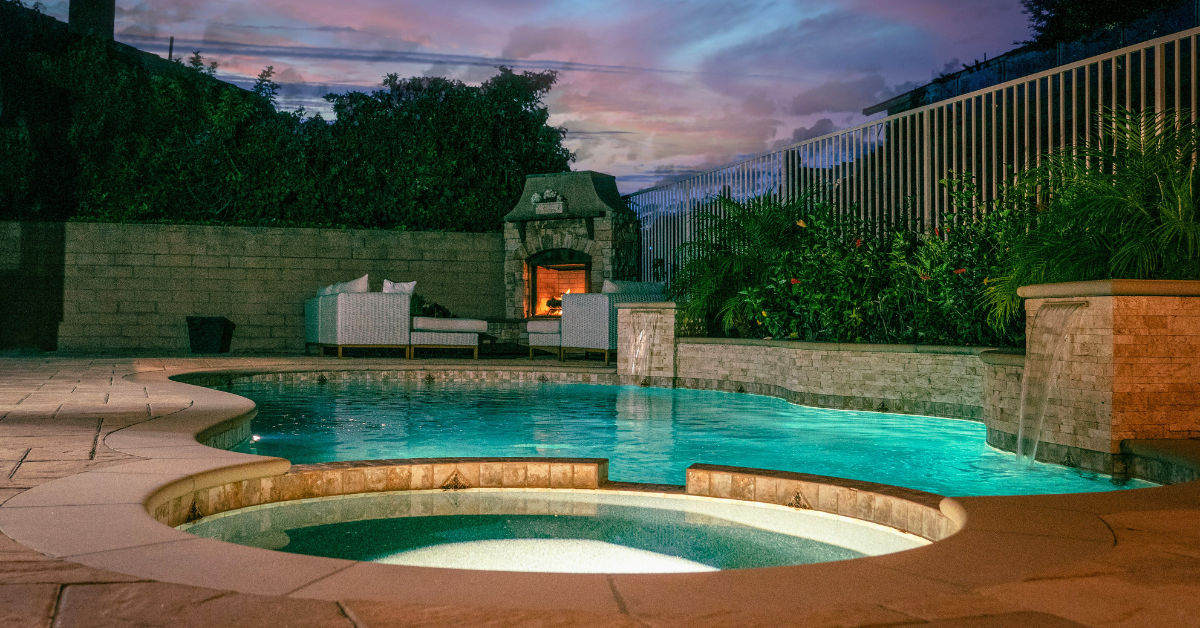
Photo by Marty O’Neill on Unsplash
Adding a swimming pool to your backyard is an exciting dream, especially when you start imagining sunny afternoons by the water, weekend get-togethers, and having your own place to cool off without leaving home. But designing a pool you'll still love years from now involves much more than choosing a shape and picking your favorite tile.
The pool needs to work with the size of your yard, the architecture of your home, your lifestyle, and the way you actually plan to use the space. You also have to think beyond the water itself. Decking, landscaping, shade, furniture placement, lighting, maintenance access, and safety requirements can all influence the final design.
Before deciding on finishes, it also helps to understand the different in-ground pool types available and how each option could affect customization, installation, maintenance, and budget. Taking the time to think through these details before construction begins can prevent expensive changes later and help your new pool feel like a natural extension of your home rather than something that was simply placed in the backyard.
There can also be site-specific considerations and unexpected client challenges, which is why good planning matters from the very beginning. If an in-ground pool is on your home wishlist, here are five of the most important design decisions to consider before breaking ground.
RELATED ARTICLE:
Essential In-ground Pool Design Considerations
01) Define Your Pool's Purpose and Placement
Before looking at tile samples, waterfalls, or dramatic pool inspiration photos, think about what you want your pool to do for you. Different lifestyles call for very different designs.
A family pool might benefit from generous shallow areas and plenty of surrounding space for people to move around comfortably. Someone interested primarily in exercise may prefer a longer, straighter pool that makes swimming laps easier. If entertaining is your priority, built-in seating, a tanning ledge, nearby dining space, or an outdoor kitchen might matter more.
Ask yourself:
Who will use the pool most often?
Will it mainly be used for swimming, exercising, entertaining, or relaxing?
Do you regularly host large groups?
Will children frequently use the space?
Do you want room for loungers, dining, or an outdoor kitchen nearby?
How much ongoing maintenance are you comfortable with?
The answers can help determine which features deserve the biggest share of your budget. Also, placement matters just as much as purpose. Pay attention to how sunlight moves across your yard, where you already have natural shade, how much privacy the location provides, and what you'll see when looking at the pool from inside your home.
You should also think about practical access. There needs to be enough space around the pool for people to walk comfortably, along with appropriate access for cleaning and maintenance. Before settling on a location, research local zoning, permitting, utility, setback, fencing, and other building requirements. These rules vary by location and may limit where a pool can legally be installed.
02) Choose the Right Size and Shape for Your Space
It's easy to assume that bigger automatically means better when designing a pool, but the pool is only one part of your backyard. A beautiful pool that takes up nearly every available inch could leave you without enough space for seating, landscaping, pathways, entertaining, or simply walking around comfortably.
Instead, think about the yard as one complete outdoor living area. Rectangular pools create a clean, classic look and work especially well for swimming laps. Curved, kidney-shaped, Roman-inspired, and freeform pools can soften a yard and may work better with certain landscapes or architectural styles.
Smaller yards can still accommodate beautiful pools, too. A compact plunge pool or carefully positioned custom design may make more sense than trying to squeeze a traditional large pool into the space. The existing features of your property should also influence the design. Consider:
The shape and slope of the yard
Existing patios or decks
Mature trees and landscaping
Drainage
Outdoor structures
Views from the house
Space for pool equipment
Desired entertaining areas
Working with experienced pool builders can help you understand what is realistic for your particular property. Depending on the company and project, you may also be able to see design plans or digital renderings before construction begins. That visualization can be especially helpful when deciding whether a pool feels proportionate to the home and whether you're leaving enough usable space around it.
03) Selecting Materials That Match Your Style and Budget
Your choice of pool construction and finishes will influence how the finished pool looks, but it can also affect installation, customization, maintenance, longevity, and long-term costs. Concrete, fiberglass, and vinyl-lined pools are among the common options, and each comes with different trade-offs.
Concrete pools offer significant flexibility when it comes to size, shape, depth, and custom features. They can also accommodate a wide variety of interior finishes. However, the additional customization can come with a longer installation process and different maintenance considerations.
Fiberglass pools arrive as manufactured shells and can often be installed more quickly than fully custom concrete pools. Their smooth surfaces can also make them appealing from a maintenance perspective, although homeowners are generally choosing among existing manufacturer shapes and sizes.
Vinyl-lined pools can offer flexibility in design and may have a different initial price point than other construction methods. The liner itself is not permanent, however, so eventual replacement should be included when thinking about long-term ownership costs.
Don't make the decision based only on the construction quote. Ask about expected maintenance, resurfacing or replacement needs, warranties, energy use, cleaning requirements, and any ongoing costs associated with the particular pool you're considering. You should also think carefully about interior colors and finishes. The finish influences more than appearance. It can affect how the water color looks throughout the day and how the pool coordinates with your home's exterior, landscaping, and surrounding hardscape.
Choosing materials that fit both your aesthetic and your willingness to maintain them can help you enjoy the pool long after the excitement of installation has worn off.
More in Home:

04) Design the Space Around the Water, Too
A pool can be gorgeous on its own, but the surrounding area determines how enjoyable the backyard actually is. Start with decking. You'll want enough room for people to walk around comfortably and for any furniture you plan to use. If lounging and entertaining are important, think about where chairs, umbrellas, tables, and other outdoor furniture will realistically go before finalizing the layout.
Materials should also make sense for a pool environment. Consider factors such as traction when wet, heat retention in direct sunlight, maintenance, durability, and how the material coordinates with your home. Depending on your design and climate, options might include concrete, pavers, brick, stone, or other pool-appropriate surfaces.
Then think about the features that can make the area more enjoyable after dark. Strategically placed pool and landscape lighting can improve visibility while also creating a completely different atmosphere in the evening. Instead of relying only on lighting inside the pool, consider pathways, stairs, landscaping, dining areas, and seating zones as part of the overall lighting plan.
Water features can add another design layer. Waterfalls, fountains, bubblers, and jets can become beautiful focal points, but consider whether you genuinely enjoy the sound and appearance enough to justify the additional installation and maintenance.
Shade deserves attention too. Depending on how sunny your backyard gets, you may eventually want umbrellas, a pergola, covered seating, or another way to escape direct sunlight without leaving the pool area. Planning those elements at the beginning is much easier than realizing after construction that there's nowhere comfortable to sit.
05) Make Landscaping, Privacy, and Safety Part of the Design
Landscaping can turn a pool and patio into a backyard that feels like a complete outdoor retreat. Use plants strategically to soften hard surfaces, create privacy, frame different areas, and visually connect the pool with the rest of your property. But don't choose plants based on appearance alone. Think about how much debris they produce, whether roots could become problematic near structures or hardscaping, and how much maintenance you're willing to take on. Plants that constantly shed leaves, flowers, seeds, or fruit near the water could create more pool-cleaning work than you anticipated.
You can also use landscaping and hardscape to create distinct areas within the backyard. For example, one section might be dedicated to lounging, another to outdoor dining, and another to a fire pit or conversation area. Even in a relatively small yard, giving each area a purpose can make the space feel much more intentional.
Safety should be integrated into that layout from the beginning rather than treated as an afterthought. Research all applicable local requirements for barriers, gates, alarms, covers, electrical systems, and other safety measures before construction begins. Requirements can vary considerably depending on where you live.
You may also decide to add additional safety features beyond what local regulations require, particularly if young children or pets regularly use the backyard. The best safety features are the ones that become a natural part of the design rather than something you have to awkwardly add after everything else is complete.
Takeaway
Building an in-ground pool is a major home project, so it's worth thinking beyond the excitement of choosing the water color or imagining your first summer swim. Start with how you actually want to use the pool. From there, choose a size and shape that works with the entire backyard, compare materials based on long-term ownership rather than initial price alone, and leave enough space in the plan for comfortable decking, landscaping, shade, and entertaining.
Most importantly, think about how all of those decisions work together. The goal isn't simply to fit a pool into your yard. It's to create an outdoor space that feels connected to your home, works for your lifestyle, and remains functional long after the construction crew leaves.
Careful planning at the beginning can make the difference between a pool that looks impressive for one summer and a backyard retreat your family genuinely enjoys for years.
Learn which garage door maintenance tasks you can safely handle yourself and which problems to leave to a professional. From basic inspections and lubrication to safety tests and warning signs, these practical tips can help you keep your garage door working smoothly without taking unnecessary risks.