
How to Choose Timeless Home Decor You'll Love for Years
sharing is caring :)
Disclaimer: Je’Ana C. curates the Shades of Tatiana product selections. We only recommend products we genuinely love. If you buy something through our affiliate links, we may earn a small commission at no cost to you.
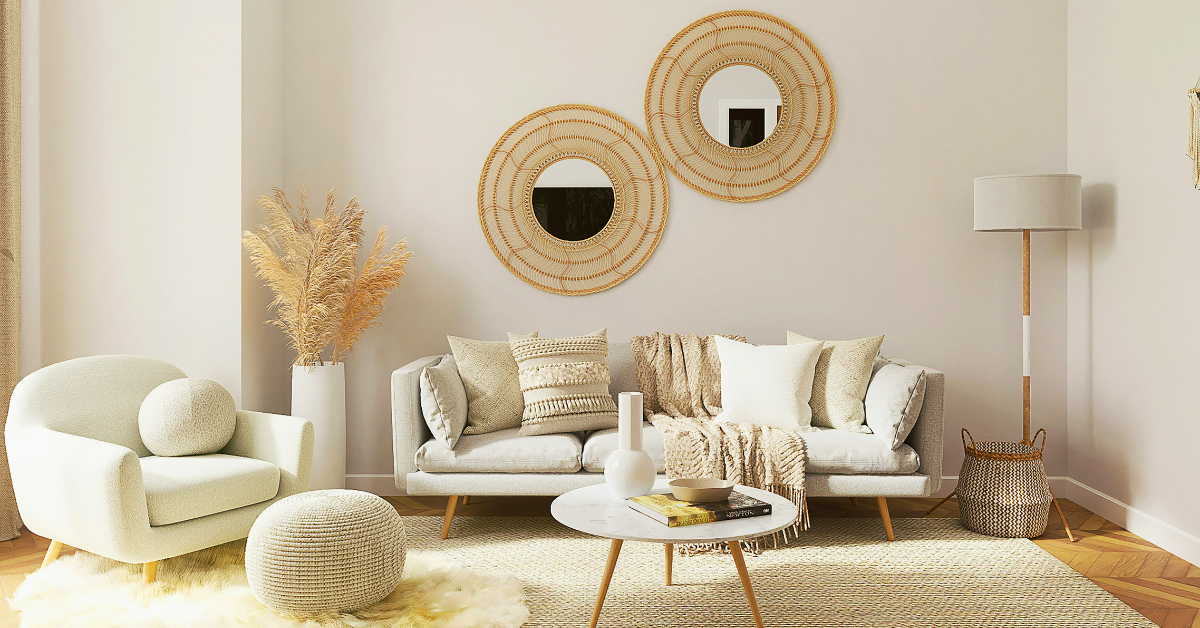
Creating a home you genuinely love isn't about constantly replacing your decor whenever a new trend appears. The most inviting spaces usually feel as though they have been built slowly over time. Maybe there's a piece of furniture you've owned for years, artwork you picked up while traveling, something passed down through your family, or a decorative object you simply loved enough to bring home without worrying about whether it was currently "in."
Those are often the pieces that give a home personality. Trends can still be a fun source of inspiration, but they don't have to dictate every design decision you make. Building a timeless home is more about choosing pieces that suit your lifestyle, complement your personal taste, and still feel right several years from now.
It also doesn't mean decorating exclusively with neutral colors or traditional furniture. A timeless home can be colorful, eclectic, modern, vintage, minimalist, or somewhere in between. What matters is that the space feels intentional and personal rather than designed around whatever happens to be popular at the moment.
If you're ready to create a home that feels more collected than decorated, here are five ways to start choosing pieces you'll want to live with for years.
RELATED ARTICLE: How to Turn Your Home Into a Comfort Sanctuary
5 Ways to Elevate Your Home With Timeless Decor
01) Let Your Home Feel Collected Over Time
One of the easiest ways to make a room feel personal is to stop treating every empty corner as something that needs to be filled immediately. A thoughtfully decorated home takes time. Instead of buying several decorative pieces simply because a shelf looks empty, give yourself permission to wait until you find something you genuinely like. That might be artwork from a local artist, a vintage lamp discovered while thrifting, a ceramic piece from a trip, or a decorative object that immediately feels like it belongs in your home.
A curated home doesn't mean every object needs to be expensive or perfectly coordinated. It means the things you surround yourself with were chosen intentionally. Before bringing something new home, ask yourself a few simple questions:
Do I genuinely like this, or do I only like it because it's trending?
Does it work with something I already own?
Do I have a specific place for it?
Would I still want it if I hadn't seen it styled on social media?
Does it add function, beauty, personality, or meaning to the room?
Not every purchase needs a sentimental story behind it. Sometimes you simply love how something looks, and that's enough. The goal is to create a space that gradually becomes more reflective of you instead of trying to finish your entire home at once.
02) Prioritize Quality Where It Matters Most
Timeless decorating doesn't require buying the most expensive version of everything. Instead, think about which pieces receive the most use and where better construction could make a meaningful difference. Furniture such as sofas, dining tables, dressers, beds, and chairs often makes sense to prioritize because these pieces may stay in your home for years. Look for durable materials, solid construction, comfortable proportions, and designs that can adapt even if your decorating style changes slightly.
This thoughtful approach shares some ideas with quiet luxury interior design, which places more emphasis on craftsmanship, materials, and subtle details than obvious labels or flashy trends. Natural materials can also add warmth and character to a space. Wood, stone, linen, wool, leather, and other materials often develop texture and patina as they age, which can make them even more interesting over time.
That doesn't mean every trendy or inexpensive piece should disappear from your home. Smaller decor is actually a great place to experiment. Pillows, candles, artwork, throws, decorative trays, and accessories can introduce current colors or styles without requiring you to redesign an entire room later. Think of your larger pieces as the foundation and your smaller decor as the part you can easily play with.
03) Turn Functional Pieces Into Part of the Decor
Some of the most interesting rooms blur the line between something practical and something decorative. Lighting is an obvious example. A lamp provides necessary light, but the shape, material, and scale can also completely change how a room looks. Mirrors, shelving, storage pieces, and clocks can work the same way.
Rather than treating these items as things you simply need, look for versions that contribute to the overall design. A clock, for example, doesn't have to disappear into the background. Depending on your room's style, luxury wall clocks can function as statement pieces while still serving an everyday purpose.
A large architectural clock could create a focal point above a console or fireplace, while a simpler design might complement a modern kitchen, office, or living room without overwhelming the space. The same idea can apply throughout your home. Choose a beautiful bowl to hold keys near the entryway. Use woven baskets for storage instead of plastic bins when they're going to remain visible. Look for bookends, trays, lamps, and organizers that feel like part of your decorating style.
More in Home:
04) Mixing Old and New Decor
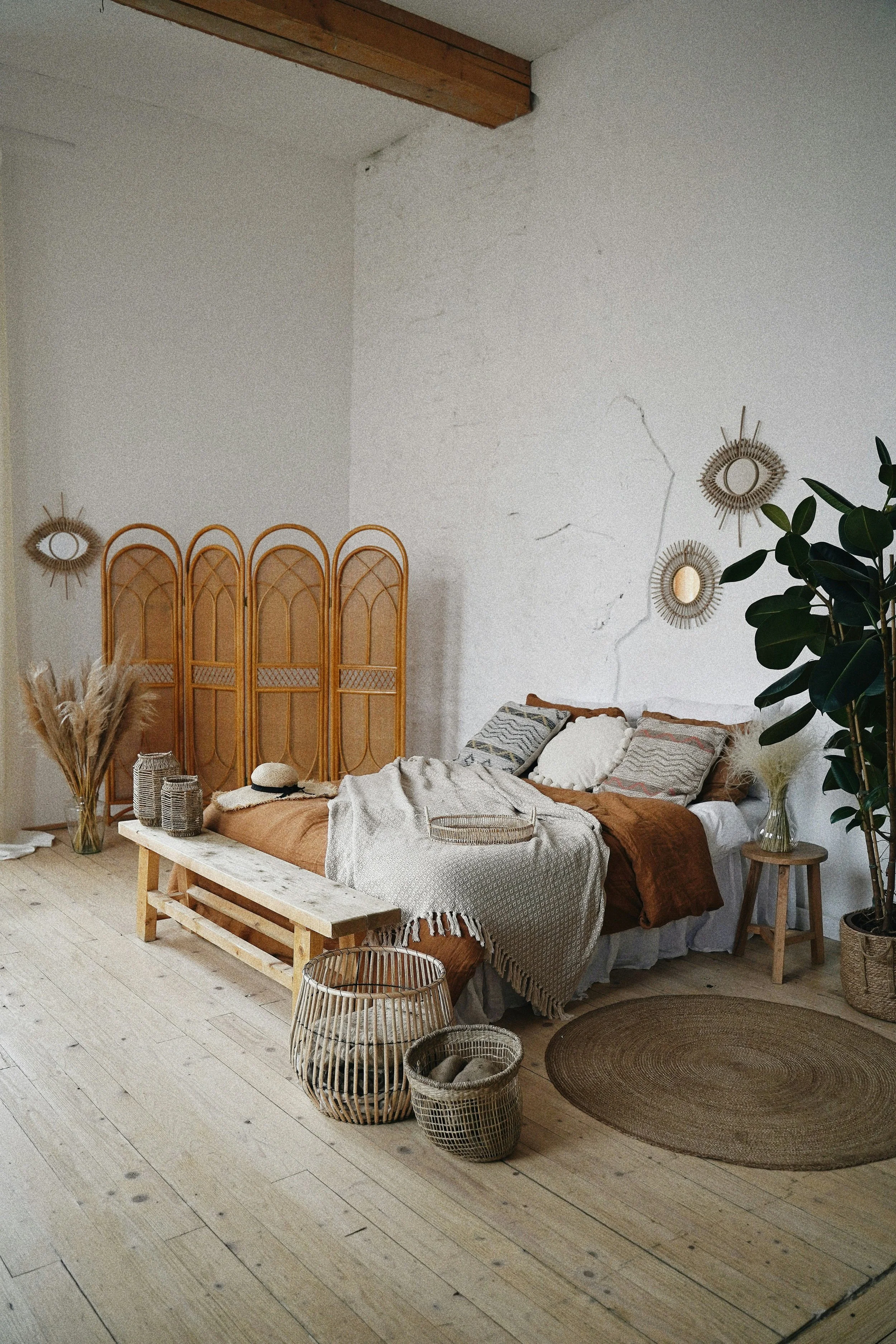
Rooms often feel more interesting when everything doesn't come from the same store, collection, or decade. Mixing older pieces with newer furniture can add depth and prevent your home from looking overly coordinated.
You might pair a contemporary sofa with a vintage side table, place a modern lamp on an antique dresser, or style a family heirloom alongside something you bought last month. This combination is one reason timeless home decor can feel so personal. Instead of recreating one specific era, you're layering pieces that have different histories and influences.
If you're nervous about mixing styles, look for something that visually connects them. That could be:
A similar wood tone
Repeated metal finishes
A consistent color palette
Similar shapes or lines
Complementary textures
Matching proportions
You don't need every piece to coordinate perfectly. In fact, a little contrast often makes a room more interesting. A decorative piece with age and patina can soften a brand-new room, while a sleek modern object can keep vintage furniture from making a space feel dated. The goal is balance, not perfect matching.
05) Create a Cohesive Aesthetic
Having unique pieces doesn't mean your home has to feel visually chaotic. The key is finding a few elements that repeat from room to room. A consistent color palette is one of the easiest ways to create that connection. You don't need every room painted the same color, but repeating certain shades throughout your home can make separate spaces feel related.
Materials can create the same effect. If warm wood, brass, natural linen, black accents, or woven textures appear throughout several rooms, those repeated details become a subtle visual thread. You can also create cohesion through your overall decorating approach. Maybe you consistently gravitate toward curved furniture, botanical artwork, vintage-inspired accessories, minimalist shapes, bold patterns, or handmade ceramics. Those preferences naturally begin creating a recognizable style when you repeat them throughout your home.
Before buying something new, think about how it relates to what you already own. It doesn't have to match. It simply needs to feel like it belongs in the same conversation. Over time, those repeated colors, materials, shapes, and personal details can make your entire home feel connected while still allowing every room to have its own personality.
Takeaway
A timeless home isn't one that never changes. Your taste will evolve, your needs will change, and you'll probably continue discovering new pieces that you want to bring into your space. What makes a home feel timeless is having a strong enough foundation that you don't feel the need to replace everything whenever trends shift.
Choose quality where it matters, give yourself time to collect pieces you genuinely love, mix different eras and styles, and look for opportunities to make even practical objects part of your decor.
Most importantly, don't rush to make your home look "finished." Some of the best spaces are never completely finished. They continue changing as you travel, discover new things, inherit meaningful pieces, and simply learn more about what you love. That's what gives a home character. Instead of looking like a perfectly styled showroom, it begins to reflect the person who actually lives there.
Learn which garage door maintenance tasks you can safely handle yourself and which problems to leave to a professional. From basic inspections and lubrication to safety tests and warning signs, these practical tips can help you keep your garage door working smoothly without taking unnecessary risks.