
5 Elegant Design Choices to Elevate Your Home Aesthetic
sharing is caring :)
Disclaimer: Je’Ana C. curates the Shades of Tatiana product selections. We only recommend products we genuinely love. If you buy something through our affiliate links, we may earn a small commission at no cost to you.
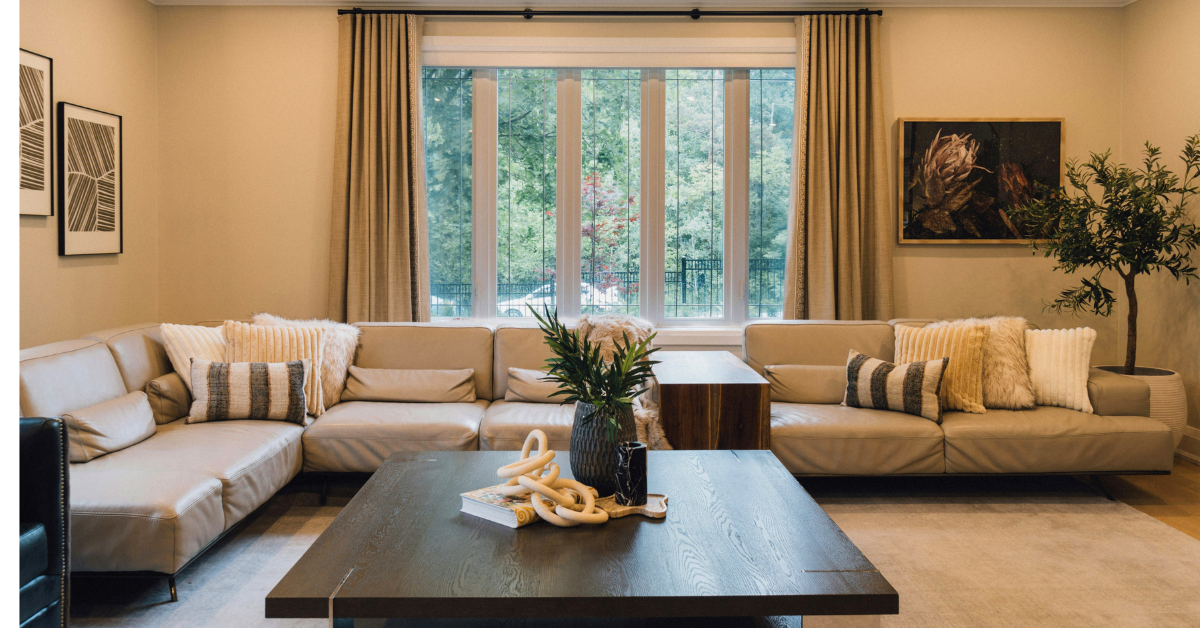
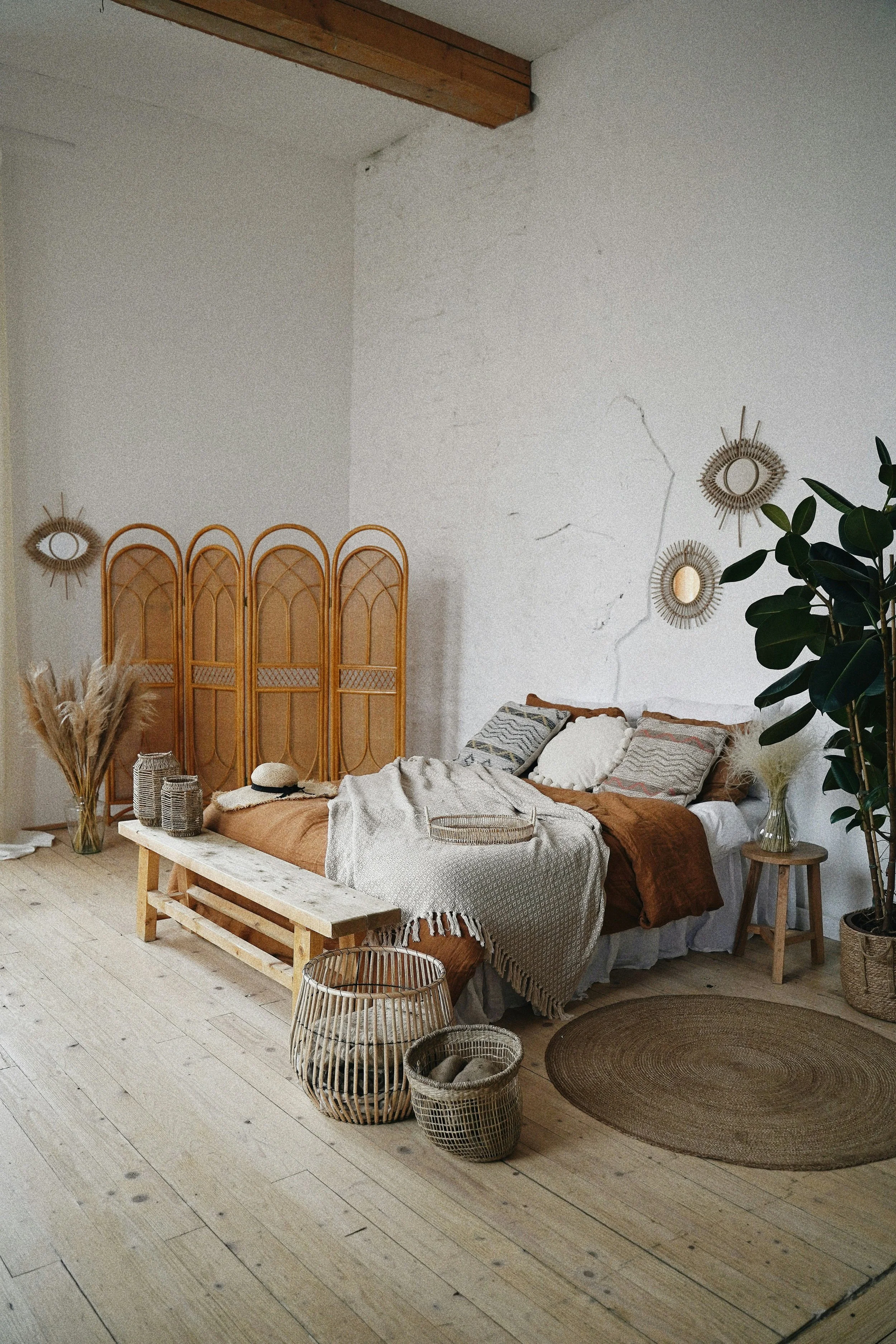
Photo by Ariel Domenden on Unsplash
A beautiful home isn't necessarily the one filled with the newest furniture or whatever decor happens to be trending. The spaces that feel the most inviting are often the ones that reflect the personality of the people who actually live there.
Maybe you are drawn to warm vintage pieces, soft neutrals, bold colors, or a mix of styles that doesn't fit neatly into one category. That is completely fine. Developing your personal home aesthetic is less about following a strict design formula and more about figuring out what makes a space feel comfortable, beautiful, and unmistakably yours.
You also don't have to redecorate an entire room to make a noticeable difference. A statement piece, a thoughtful color palette, better lighting, or a few layers of texture can completely change how a space feels. The goal is to make intentional choices that work together while still making your home tell *your* story.
Here are five elegant design choices that can help you create a home that feels more polished, personal, and put together.
RELATED ARTICLE:
How to Create an Elegant Personal Home Aesthetic
01) Discover Your Core Design Style
Before buying new furniture, choosing paint colors, or filling your cart with decor, spend some time figuring out what you actually like. Start by saving photos of rooms that immediately catch your attention. Pinterest boards, Instagram saves, magazines, and even screenshots from hotel or restaurant interiors can all help. Once you have a collection, look for patterns.
Are you repeatedly drawn to warm wood furniture? Creamy neutral walls? Vintage details? Sleek silhouettes? Bold prints? Soft, romantic spaces? Understanding popular interior design styles can help you find the vocabulary to describe the elements you naturally gravitate toward. Knowing whether you prefer traditional, contemporary, Scandinavian, bohemian, mid-century modern, or another aesthetic can also make shopping much easier.
That doesn't mean your home needs to fit perfectly into a single category. In fact, some of the most interesting spaces combine elements from several styles. You might love modern furniture paired with vintage accessories or minimalist rooms softened with romantic details. Instead of trying to label your style perfectly, focus on identifying the colors, shapes, materials, and details you consistently love. Those recurring elements can become the foundation of your home's overall aesthetic.
02) Let One Statement Piece Lead the Room
Not everything in a room needs to compete for attention. In many cases, a space feels more sophisticated when one standout element takes the lead and the surrounding pieces support it. Your focal point could be an oversized piece of artwork, a sculptural light fixture, an unusual mirror, a dramatic headboard, or a beautiful piece of furniture.
One particularly effective way to add personality is with antique and vintage furniture. A vintage credenza, beautifully shaped armchair, old wooden table, or ornate sideboard can bring character to a space that newer pieces sometimes lack. Vintage pieces are especially useful if your room is starting to feel too coordinated or showroom-like. Their age, texture, and imperfections can create contrast and make the overall design feel more collected over time.
Your statement piece doesn't have to be expensive, enormous, or particularly dramatic. It simply needs to be something you genuinely love. Once you have that anchor, use it to guide some of your other decisions. You might pull an accent color from a painting, repeat the wood tone of an antique table elsewhere in the room, or choose smaller accessories that complement the shape of a favorite chair.
03) Curate a Cohesive Color Palette
Color has an enormous influence on the atmosphere of a room. It can make a space feel calm and airy, warm and intimate, dramatic and sophisticated, or colorful and playful. One of the easiest ways to make a room feel more polished is to limit the number of competing colors. Try starting with one or two foundational shades for larger surfaces and furniture. These do not necessarily need to be beige or white. Deep green, soft blue, terracotta, or another favorite color can also serve as the foundation of a room.
Then introduce a few supporting shades through pillows, curtains, artwork, rugs, books, and decorative objects. If choosing colors feels overwhelming, use something you already love as your starting point. A patterned rug, piece of artwork, wallpaper print, or favorite textile can provide an entire color palette for the room.
You can also repeat small amounts of the same colors throughout adjoining spaces. This creates continuity without requiring every room in your home to look identical. Most importantly, choose colors you actually enjoy living with rather than selecting something simply because it is currently trending.
More in Home:

04) Layer Lighting for Ambiance and Function
Lighting is one of those details that can completely transform a room yet is surprisingly easy to overlook. Relying solely on one bright overhead fixture often leaves a space feeling flat or overly harsh. Instead, aim to create several sources of light at different heights throughout the room.
Start with ambient lighting, which provides the room's overall illumination. Then add task lighting where you need focused brightness, such as a reading lamp beside a chair or lighting above a desk. Finally, use accent lighting to highlight artwork, shelving, architectural features, or decorative areas.
Table lamps and floor lamps can also add warmth to corners that might otherwise feel empty or dark. Whenever possible, install dimmers or choose adjustable lighting. The amount of light you want while cleaning the house on a Saturday afternoon is probably very different from what you want while relaxing in the evening.
Pay attention to the temperature of the bulbs as well. Softer, warmer light often creates a more comfortable and inviting atmosphere, particularly in bedrooms and living spaces. Even the lamp itself can become part of your decor. A sculptural base, pleated shade, vintage lamp, or unexpected material can function as both a practical light source and another layer of personality.
05) Embrace Textures and Materials
A room can have the perfect furniture and color palette and still feel like something is missing. Often, that missing element is texture. Mixing materials gives the eye more to explore and prevents a space from feeling flat. The effect can be especially important in neutral rooms, where subtle differences in texture help create visual interest without introducing additional colors.
Try combining soft fabrics with harder surfaces. You might pair linen curtains with polished wood, a chunky knit throw with a leather chair, or velvet pillows with woven baskets and ceramic accessories. Natural materials such as wood, stone, rattan, linen, and wool can also introduce warmth and help soften more polished pieces.
Exploring different house aesthetics can give you inspiration for how various textures and materials work together to create completely different moods. For example, rustic interiors may rely heavily on natural wood and woven fibers, while glamorous spaces might incorporate velvet, glass, marble, and metallic finishes.
You don't need to fill the room with every texture you like. A few carefully chosen contrasts are often enough to make the space feel layered, inviting, and thoughtfully designed.
Takeaway
Creating an elegant home isn't about making every room look perfect or recreating someone else's Pinterest board. The most memorable spaces usually have personality, and that comes from choosing pieces and details that genuinely mean something to you.
Start small. Find the colors you love, introduce a statement piece, improve the lighting, or add more texture to a room that feels unfinished. As you continue making intentional choices, your personal home aesthetic will naturally become clearer.
Ultimately, your home should feel collected rather than copied—a comfortable, beautiful reflection of your own taste and the life you live inside it.
What is one design element that instantly makes a home feel more like you?








Learn which garage door maintenance tasks you can safely handle yourself and which problems to leave to a professional. From basic inspections and lubrication to safety tests and warning signs, these practical tips can help you keep your garage door working smoothly without taking unnecessary risks.