
5 Simple Ways to Make Your Home Feel More Comfortable
sharing is caring :)
Disclaimer: Je’Ana C. curates the Shades of Tatiana product selections. We only recommend products we genuinely love. If you buy something through our affiliate links, we may earn a small commission at no cost to you.
There is something special about walking through your front door and immediately feeling like you can relax. Your home doesn't have to be perfectly decorated or filled with expensive furniture to create that feeling. In fact, some of the biggest differences in comfort come from surprisingly small details: softer evening lighting, a blanket you actually enjoy curling up with, clear walking paths, fresh air, or simply fewer things competing for your attention.
Comfort is also about more than how a room looks. It's about how easily you can move through it, whether your furniture works for the way you actually live, how the space feels at different times of day, and whether coming home makes you want to settle in rather than immediately notice everything that needs fixing.
If your space has been feeling a little cold, cluttered, cramped, or unfinished lately, you don't necessarily need a major makeover to change that. Here are five simple ways to make your home feel more comfortable, functional, and inviting without completely redecorating.
RELATED ARTICLE: How to Create a Stunning Low-Maintenance Backyard Oasis
How to Create a More Comfortable Home

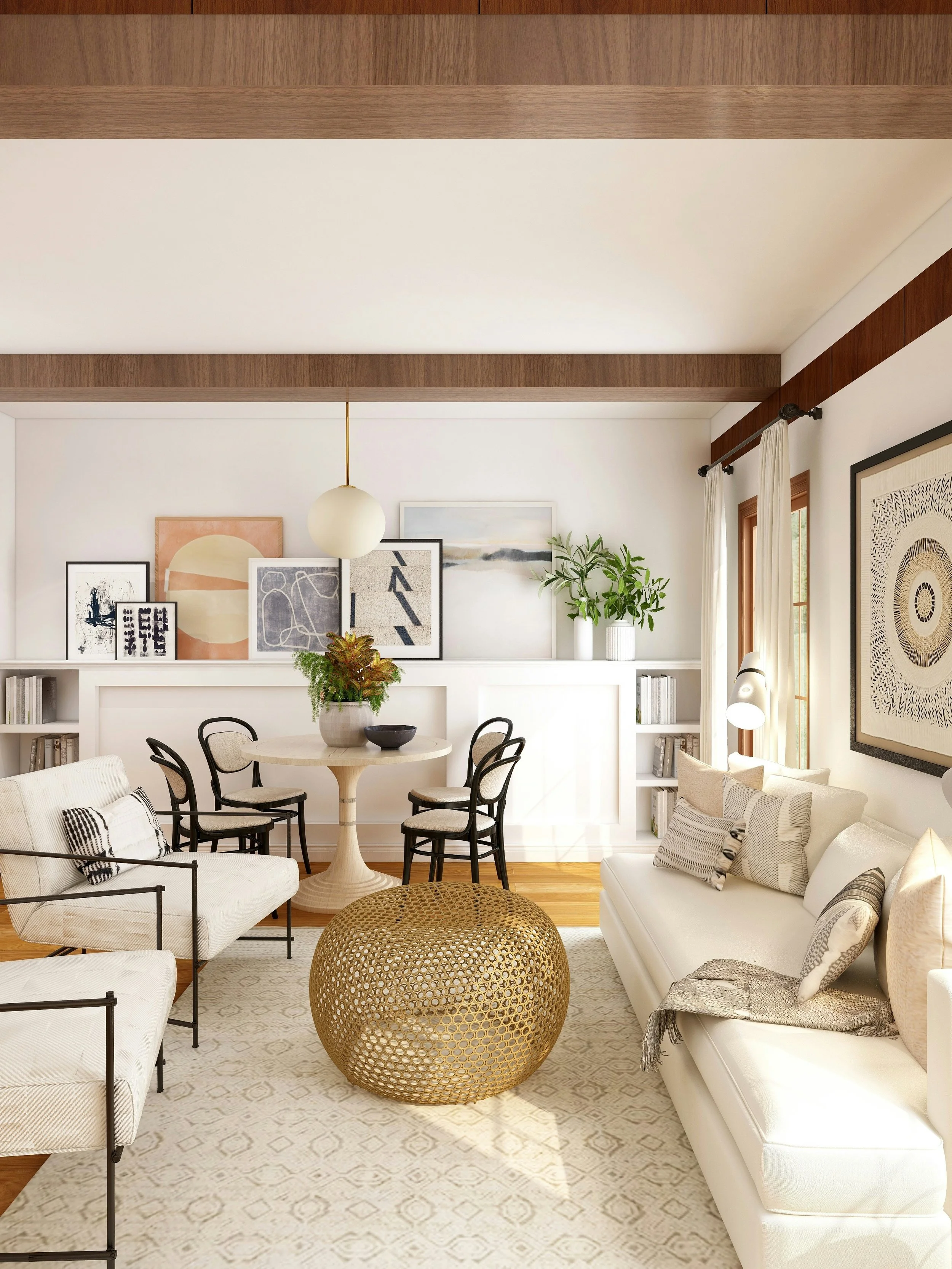
Photo by Julian Bock on Unsplash
01) Layer Your Lighting with Warm Hues
Lighting can completely change how a room feels. For example, bright overhead lighting may be useful when you're cleaning, cooking, or working on something that requires good visibility, but it isn't always the lighting you want when you're trying to relax at the end of the day.
Instead of relying on one ceiling fixture for the entire room, create layers of light. That might include:
A floor lamp beside your sofa
Table lamps on side tables or dressers
A small reading lamp
Under-cabinet lighting in the kitchen
Wall sconces
Candles where they're safe and appropriate
Dimmer switches for adjustable lighting
Warmer-toned bulbs can also create a softer, cozier atmosphere in spaces where you tend to relax. Think about what you actually do in each room when deciding where lighting belongs. If you always read in one particular chair, add a lamp nearby. If your bedroom feels too bright at night, use a bedside lamp instead of keeping the main ceiling light on. If the living room has dark corners, adding a couple of smaller light sources can make the whole space feel warmer.
You don't need every light switched on at once. The beauty of layered lighting is being able to adjust the atmosphere depending on what you're doing and how you want the room to feel.
02) Add Textures You Actually Want to Touch
Comfort isn't only visual. The way your home physically feels matters too. You interact with your furniture every day, so think about the materials and textures you're surrounding yourself with.
A sofa can look beautiful in photos but still feel uncomfortable to sit on. A decorative pillow isn't particularly useful if the fabric feels scratchy against your skin. And a gorgeous rug may not contribute much to the room if you don't enjoy walking across it.
Choose textiles based on what feels good to you. That could mean:
Soft cotton sheets
Lightweight linen bedding
A plush area rug
Cozy throw blankets
Comfortable upholstered chairs
Velvet or boucle accent pillows
Soft bath towels
Breathable curtains
Layering different textures can also make a room feel warmer visually. For example, a simple sofa might feel much more inviting with a soft throw, a few comfortable pillows, and a rug underneath it. A bedroom can feel cozier with layered bedding rather than relying on decorative objects to fill the space.
You don't need to follow a particular texture trend either. Some people love chunky knits and plush fabrics, while others prefer crisp cotton and lightweight linen. Choose whatever makes you personally want to settle in and stay awhile.
03) Reduce Visual Clutter to Calm the Mind
A comfortable home doesn't have to be minimalist, but having too many things competing for your attention can make a room feel busier than you want it to. You also don't have to declutter your entire house in one weekend.
Start with the places your eyes naturally land. Maybe it's the kitchen counter covered with mail and random items. Perhaps it's the coffee table that has slowly accumulated everything except coffee. It could be an overflowing entryway, cluttered nightstand, or dresser covered with things that don't have a permanent home.
Choose one surface and clear it. Then decide what actually belongs there. For everyday items that need to remain accessible, attractive storage can make a big difference. Try:
A tray for frequently used items
Baskets for blankets or miscellaneous belongings
A bowl for keys
Drawer organizers
Closed storage for things you don't need on display
Small bins inside cabinets
You don't have to remove every decorative object either. Instead, give the things you genuinely love a little more breathing room. A favorite vase, framed photo, candle, or decorative piece often stands out more when ten other objects don't surround it. The goal isn't an empty home. It's creating enough visual calm that your favorite spaces feel easier to enjoy.
More in Home:



04) Improve Indoor Air Quality and Flow
A room can be beautifully decorated and still feel uncomfortable if it regularly feels stuffy. When weather and outdoor conditions allow, opening windows can be a simple way to bring fresh air into your home. If you have windows on opposite sides of a room or home, opening more than one may also help create cross-ventilation.
Window treatments should make accessing those windows easy, not a chore. Options such as cordless blinds can create a cleaner window area while letting you adjust privacy and light throughout the day. You can also consider what may be contributing to stale air or lingering odors in your home. Regularly cleaning fabrics, replacing HVAC filters as recommended, using exhaust fans while cooking or showering, and maintaining appropriate ventilation can all contribute to a fresher-feeling space.
Houseplants can add greenery and make a room feel more inviting, but they shouldn't replace proper ventilation or an air purifier when one is needed. If you do use an air purifier, choose one that's appropriately sized for the room and consider where you'll place it so it isn't constantly in the way.
Sometimes creating a more comfortable home is less about adding another decorative item and more about improving the environment that's already there.
05) Arrange Furniture for Easy Movement
Furniture placement has a huge effect on how comfortable a room feels. You can have beautiful furniture and still feel frustrated if you're constantly squeezing around a coffee table, bumping into a chair, or navigating an awkward route to cross the room.
Start by paying attention to your natural walking paths. Where do you enter the room? How do you get to the sofa? Is anything blocking access to a window, doorway, cabinet, or another frequently used area? Then consider pulling furniture away from the walls when your room size and shape allow it.
Many people automatically push every piece of furniture against the perimeter, but bringing seating slightly inward can create a more conversational, intentional arrangement. Think about function before symmetry. If you regularly put your drink down while sitting on the sofa, make sure there's a reachable surface nearby. If you read in a particular chair, give it appropriate lighting. If your family gathers around the television, arrange seating so everyone can comfortably see it without twisting around.
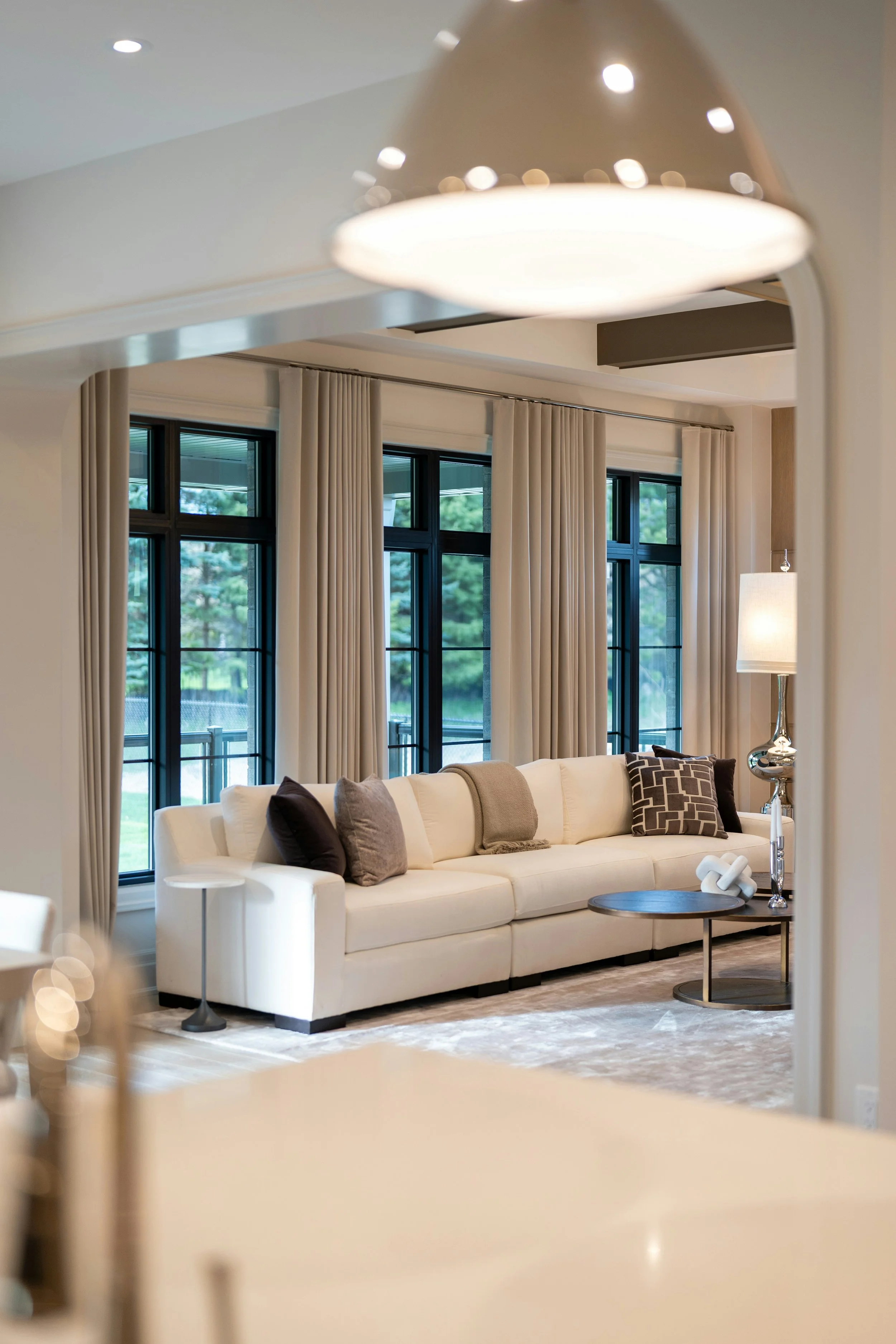
Also consider the scale of your furniture. An oversized sectional might be incredibly comfortable on its own but make a smaller living room feel cramped. On the other hand, furniture that's too small for a large room can make the space feel disconnected. Your layout doesn't have to look perfect from every angle. It needs to make everyday life easier.
Takeaway
Making your home more comfortable doesn't necessarily require a renovation, a new furniture collection, or a large decorating budget. Start by paying attention to the little things you interact with every day. Maybe your living room needs softer lighting at night. Perhaps your bedding doesn't feel as cozy as you'd like, your kitchen counters are visually overwhelming, or your furniture layout makes it harder to move through the room than it should be.
Choose the change that would make the biggest difference to your everyday routine and start there. Then build gradually. A lamp in the right corner, a soft throw on the sofa, a cleared-off table, an open window, or a slightly different furniture arrangement may seem insignificant on its own, but those small details work together to shape how your home feels.
Ultimately, comfort isn't about creating a picture-perfect space. It's about creating a home that makes everyday life feel a little easier and makes you genuinely happy to walk through the door.
What's one small change that instantly makes your home feel more comfortable?





Your home should be a place where you can relax, recharge, and feel completely at ease. Discover five simple ways to make your home more comfortable through better lighting, cozy textiles, less clutter, fresher air, and a more functional furniture layout. Small, thoughtful changes can make your space feel warmer and more inviting without requiring a major renovation.