
6 Everyday Habits That Keep Your Smile Healthy For Life
sharing is caring :)
Disclaimer: Je’Ana C. curates the Shades of Tatiana product selections. We only recommend products we genuinely love. If you buy something through our affiliate links, we may earn a small commission at no cost to you.
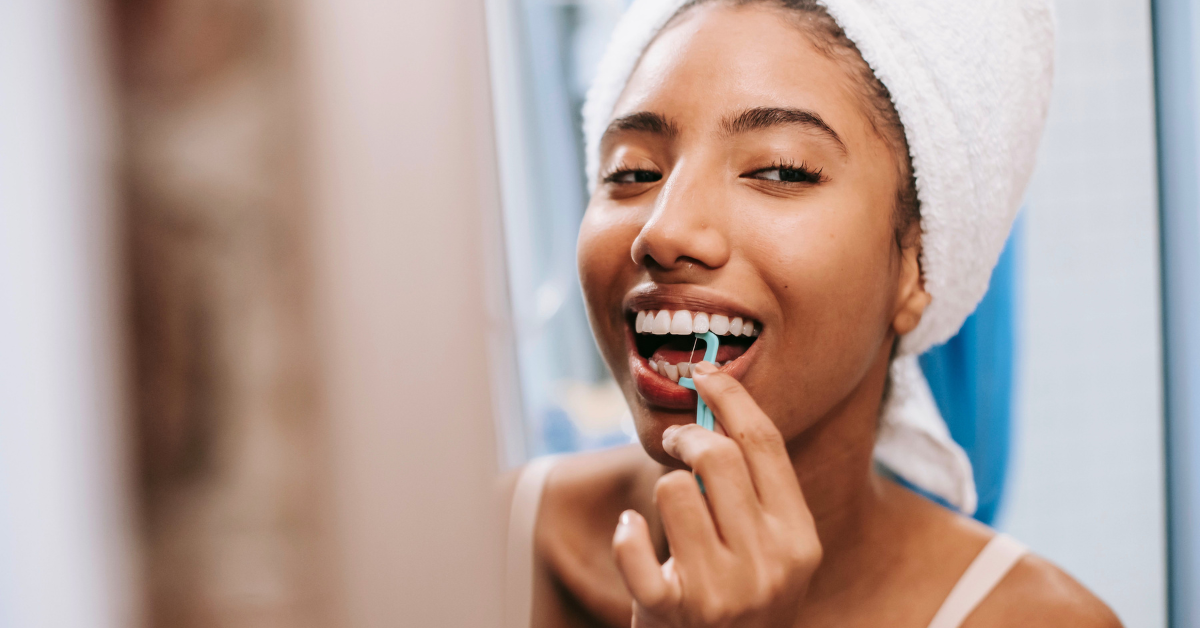
Photo by Sora Shimazaki
Your smile is one of the first things people notice, and it can play a major role in how confident you feel when walking into a room. Yet oral health often slips to the bottom of the self-care list, somewhere below skincare, workouts, and your eight glasses of water goal.
The good news is that maintaining a healthy smile rarely requires a dramatic lifestyle overhaul. It comes from small, consistent habits practiced on the days you feel motivated, and the days you do not.
Whether you already have a reliable dental routine or are trying to take better care of your teeth, these six everyday habits can help protect your smile for years to come.
RELATED ARTICLE: 4 Things to Expect When Wearing Dentures (And How to Adjust Comfortably)
Daily Habits for a Healthier, Brighter Smile
01) Brush Like You Mean It
Two minutes, twice a day. It sounds almost too simple to make a difference, but brushing is the foundation of a healthy dental routine. Many people rush through the process, spending less than a minute brushing before moving on with their day. Slow down and give each area of your mouth proper attention. Use a soft-bristled toothbrush, apply gentle pressure, and brush the front, back, and chewing surfaces of every tooth.
Remember to brush along your gumline and gently clean your tongue, where bacteria can also collect. Brushing too aggressively will not clean your teeth more effectively and may irritate your gums or gradually wear down enamel. For a closer look at the proper technique, the American Dental Association’s brushing guidance covers it in detail.
02) Floss Before You Talk Yourself Out Of It
Brushing cleans the surfaces your toothbrush can reach, but it cannot fully clean the tight spaces between your teeth. That is where flossing becomes essential. Cleaning between your teeth once a day helps remove trapped food particles and plaque before they contribute to cavities, gum irritation, or bad breath. Gently guide the floss between each tooth and curve it around the sides rather than snapping it against your gums.
If traditional floss feels inconvenient, floss picks, interdental brushes, or a water flosser may make the habit easier to maintain. The best method is the one you can use safely and consistently. Keep your preferred flossing tool somewhere visible, such as beside your toothbrush, so skipping it feels harder than simply getting it done.
03) Rethink What’s In Your Glass
Sugary drinks can be harder on your teeth than many people realize. Bacteria in plaque feed on sugar and produce acids that wear down enamel over time. Frequency matters too. Slowly sipping soda, sweet tea, juice, or a flavored latte throughout the afternoon repeatedly exposes your teeth to sugar and acid. Even drinks marketed as healthy can contain more sugar than expected.
You do not necessarily have to give up your favorite drinks entirely. Try enjoying them with a meal instead of sipping them for several hours, and drink water afterward to help rinse your mouth. Using a straw may also reduce direct contact with your front teeth.
Water remains one of the best everyday choices for your smile because it helps wash away food particles, supports saliva production, and keeps your mouth from becoming overly dry.
More in Wellness:





04) Book The Checkup You Keep Rescheduling
It can be tempting to postpone a dental appointment when nothing hurts, but many dental problems begin before they cause noticeable symptoms. Regular checkups allow your dentist to identify small concerns before they become more complicated, uncomfortable, and expensive. A small cavity may require a relatively simple filling, while an untreated cavity can eventually lead to an infection or the need for more extensive treatment.
Professional cleanings also remove hardened tartar that cannot be brushed or flossed away at home. Your dental team can check the health of your gums, look for signs of enamel wear, and recommend changes based on your individual needs. Before leaving an appointment, schedule the next one. Booking in advance removes one more opportunity to forget or continue putting it off.
05) Don’t Ignore A Missing Tooth
Teeth can be lost for many reasons, including injury, decay, gum disease, or an older dental problem that has gradually worsened. Although a gap may seem like a cosmetic concern, leaving a missing tooth untreated can affect more than the appearance of your smile.
The surrounding teeth may begin shifting toward the open space, potentially changing your bite and making certain areas more difficult to clean. Bone loss may also occur in the area because the jaw is no longer receiving stimulation from the tooth root.
Depending on your oral health, budget, and the location of the missing tooth, your dentist may discuss several replacement options. Modern treatments such as dental implants can restore the appearance and function of a natural tooth while helping many people feel more comfortable eating, speaking, and smiling. The right option will vary from person to person, so speak with a qualified dental professional before deciding which treatment is most appropriate for you.
06) Treat Your Smile As Part Of Your Whole Health
Your mouth is not separate from the rest of your body. Oral health can influence how comfortably you eat, speak, sleep, and move through your daily routine. Research has also found associations between gum disease and certain broader health conditions. Although that does not mean one directly causes the other in every case, it is another reason to take persistent inflammation, bleeding gums, pain, or changes in your mouth seriously.
Think of caring for your smile in the same way you think about movement, sleep, nutrition, and the products on your bathroom shelf. It is another meaningful part of supporting your overall well-being. Pay attention to symptoms that do not improve, including bleeding when brushing, swollen gums, ongoing sensitivity, loose teeth, mouth sores, or persistent bad breath. A dental professional can help determine whether something requires treatment rather than leaving you to guess.
Small Habits, A Smile That Lasts Decades
A healthy smile does not require a flawless routine or a bathroom shelf filled with expensive gadgets. It requires consistency. The same quiet consistency that supports glowing skin, stronger muscles, and other long-term wellness goals.
Brush thoroughly, clean between your teeth, be mindful of sugary drinks, and attend regular dental appointments. If doing everything at once feels overwhelming, choose one habit to improve today and add another once the first begins to feel automatic.
The smile you want to feel confident about twenty years from now is being shaped by the small, ordinary choices you make today.
Learn how newer approaches to appetite and weight management are changing the conversation around hunger, metabolism, GLP-1 medications, and the brain-gut connection. Understanding the science, benefits, limitations, and safety considerations can help you have a more informed conversation with your healthcare provider about your options.