
How to Improve Leg Health With 5 Everyday Wellness Habits
sharing is caring :)
Disclaimer: Je’Ana C. curates the Shades of Tatiana product selections. We only recommend products we genuinely love. If you buy something through our affiliate links, we may earn a small commission at no cost to you.
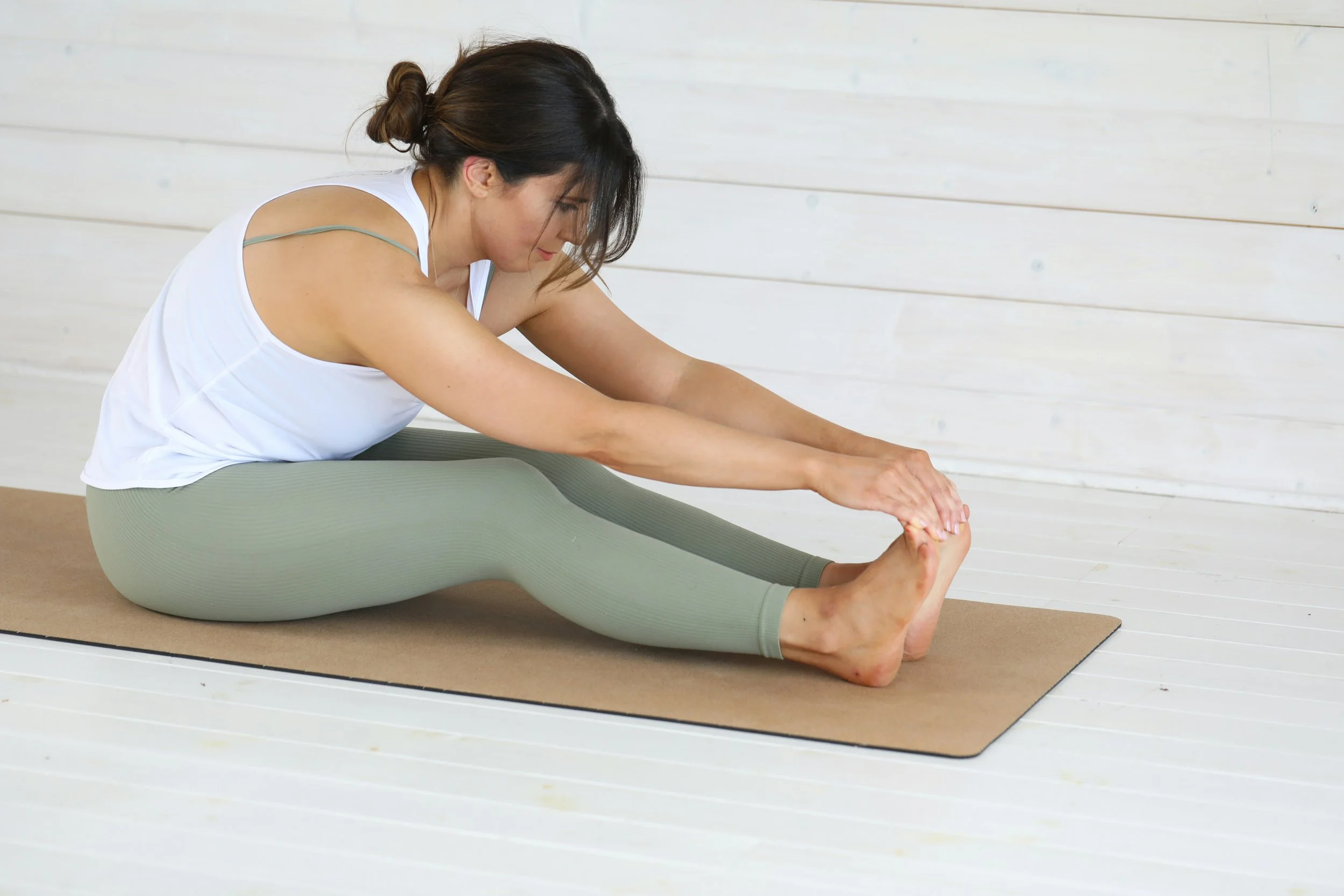
Photo by Margaret Young on Unsplash
Your legs do a lot more work than you probably give them credit for. They carry you through morning routines, long workdays, errands, workouts, and everything in between. Yet leg health can easily become an afterthought until you start noticing soreness, stiffness, heaviness, or fatigue.
The good news is that caring for your legs doesn't require an elaborate wellness routine. Regular movement, strength exercises, hydration, recovery, and simply paying attention to how your legs feel can all become part of your everyday self-care.
These habits are especially helpful if you spend much of your day sitting at a desk or standing in one place. Instead of waiting until your legs feel tired at the end of the day, think of leg care as another way to support your overall mobility and comfort. Here are five simple ways to give your legs a little more attention.
RELATED ARTICLE: The 5 Biggest Mistakes That Impact Your Health and Wellbeing
5 Simple Ways to Support Better Leg Health
01) Build Strength Into Your Everyday Routine
Strong legs support much more than your workouts. The muscles in your hips, thighs, and calves are involved in everyday movements like standing, walking, climbing stairs, and maintaining balance.
Your calf muscles also contract as you walk and move your ankles, helping blood travel from the lower legs back toward the heart. Strong legs also improve balance, stability, and your ability to stay active as you get older.
You don't necessarily need a complicated gym routine to start working these muscles. A few simple movements can fit naturally into your day:
Calf Raises: Stand with your feet comfortably apart and slowly lift your heels until you're standing on the balls of your feet. Lower with control and repeat.
Ankle Rotations: While seated, lift one foot and gently circle your ankle in each direction before switching sides.
Bodyweight Squats: Squats strengthen several major muscle groups throughout the lower body and can make everyday movements easier.
Sit-to-Stands: Practice standing from a sturdy chair and sitting back down with control. This is a simple functional exercise that works several leg muscles at once.
Start with a comfortable number of repetitions and focus on good form rather than trying to do as many as possible. If a movement causes pain, stop and consider modifying it or discussing the exercise with a qualified healthcare or fitness professional.
02) Break Up Long Periods of Sitting or Standing
A workout is great for your overall health, but what you do during the rest of the day matters too. If you sit at a desk for several hours, it's easy to realize that you've barely moved since breakfast. Long stretches in the same position can leave your legs feeling stiff, tired, or uncomfortable.
Look for small opportunities to change positions and move regularly throughout the day. You might:
Walk around for a few minutes between tasks.
Take a short walk during lunch.
Use the stairs when it's practical.
Do ankle pumps underneath your desk.
Stand while taking a phone call.
Stretch your legs after a long drive or flight.
Park a little farther away when running errands.
These simple habits to boost circulation can help you build more movement into days that might otherwise be fairly sedentary. The goal doesn't have to be constant activity. Simply changing positions and adding short movement breaks can prevent hours from passing without using your legs.
03) Know When Leg or Vein Changes Need Professional Attention
Healthy habits can support your overall wellness, but they can't prevent or correct every problem involving your legs or veins. Spider veins and varicose veins are fairly common, and some people may develop them even when they're active and otherwise healthy. While they can sometimes be primarily a cosmetic concern, varicose veins may also be associated with symptoms such as aching, heaviness, itching, swelling, or discomfort.
If you're experiencing persistent symptoms or you've noticed significant changes in the appearance of your veins, consider discussing them with a healthcare professional. Depending on the underlying issue and your individual needs, a vein specialist may recommend anything from lifestyle changes and compression therapy to minimally invasive procedures. One option used for certain varicose veins is laser vein therapy, which uses heat to close a targeted vein so blood can be redirected through other healthy veins.
The appropriate treatment depends on the cause and severity of your symptoms, so professional evaluation is important before deciding which approach is right for you. Also pay attention to symptoms that are sudden or dramatically different from your usual leg discomfort. Sudden swelling in one leg, particularly when accompanied by pain, warmth, or redness, deserves prompt medical attention. Chest pain or shortness of breath should be treated as an emergency.
More in Wellness:





04) Support Your Legs With Balanced Nutrition and Hydration
There isn't one special food that guarantees healthier legs, but your overall eating habits can support the systems that keep your body functioning well. Aim for a varied diet that includes fruits, vegetables, whole grains, lean proteins, and healthy fats. Foods such as berries, citrus fruits, leafy greens, nuts, seeds, and other plant-based options can provide vitamins, minerals, fiber, and other nutrients as part of a balanced diet.
Fiber is another useful part of your overall wellness routine. Fruits, vegetables, beans, lentils, and whole grains are easy ways to add more of it to your meals.
Hydration matters too. Keeping a water bottle nearby throughout the day is a simple habit that can make it easier to drink regularly, particularly when you're busy or working from home. If you've exercised, spent time outdoors in hot weather, or otherwise lost more fluids than usual, pay extra attention to hydration.
Instead of searching for the perfect "circulation food," focus on the bigger picture: balanced meals, adequate hydration, and eating habits that support your overall health.
05) Give Your Legs Time to Recover
Rest and recovery deserve a place in your leg wellness routine too. After a long day of standing, walking, traveling, or exercising, your legs may simply need a chance to relax. Gentle stretching, changing positions, and putting your feet up for a while can feel especially good after you've been on them all day.
If exercise is responsible for your discomfort, learning how to relax sore muscles post-workout can help you create a more intentional recovery routine instead of pushing through soreness every day. Some people may also benefit from compression stockings, particularly when recommended for a specific medical or occupational reason. However, compression isn't appropriate for everyone, so speak with a healthcare professional if you're considering wearing them regularly or if you have existing circulation problems.
You can also pay attention to the little things that affect how your legs feel throughout the day. Are your shoes comfortable enough for the amount of walking you do? Are you standing in the same position for hours at work? Are you giving yourself enough recovery time between intense workouts?
Takeaway
Your legs support you through almost everything you do, so giving them a little attention is an important part of your overall wellness routine. You don't need to completely change your lifestyle. Build strength gradually, move regularly throughout the day, eat a balanced diet, stay hydrated, and give your muscles enough time to recover. Just as importantly, pay attention when persistent pain, swelling, visible vein changes, or other symptoms suggest that something deserves a professional opinion.
Leg wellness isn't about doing everything perfectly. It's about creating small, sustainable habits that help you stay comfortable, active, and mobile for years to come.
Learn how newer approaches to appetite and weight management are changing the conversation around hunger, metabolism, GLP-1 medications, and the brain-gut connection. Understanding the science, benefits, limitations, and safety considerations can help you have a more informed conversation with your healthcare provider about your options.