
5 Tips for Planning the Perfect City Getaway
sharing is caring :)
Disclaimer: Je’Ana C. curates the Shades of Tatiana product selections. We only recommend products we genuinely love. If you buy something through our affiliate links, we may earn a small commission at no cost to you.
There is something especially exciting about escaping to a new city for a few days. You can trade your normal routine for unfamiliar streets, neighborhood cafés, museums, local restaurants, beautiful architecture, and the simple excitement of waking up somewhere completely different. The challenge is fitting all of that into a relatively short trip without turning your getaway into a race against the clock.
When you only have a few days somewhere, it's tempting to create a packed itinerary so you don't "waste" any time. Suddenly, you're crossing the city for an attraction at 9 a.m., rushing through lunch to make a reservation at noon, and checking your watch while visiting somewhere you were genuinely excited to see.
A good city getaway should leave you feeling like you experienced the destination, not like you completed an endurance challenge. The secret is finding the right balance between preparation and flexibility. Choose a destination that fits the type of trip you're craving, stay somewhere convenient, pack for how you'll actually spend your days, and prioritize the experiences that matter most to you. Then leave enough space for the parts you couldn't have planned.
Here are five ways to create a city getaway that feels exciting, memorable, and surprisingly easy to enjoy.
RELATED ARTICLE: Simple Wellness Habits To Feel Your Best While Traveling
The Ultimate Guide to Planning a City Getaway
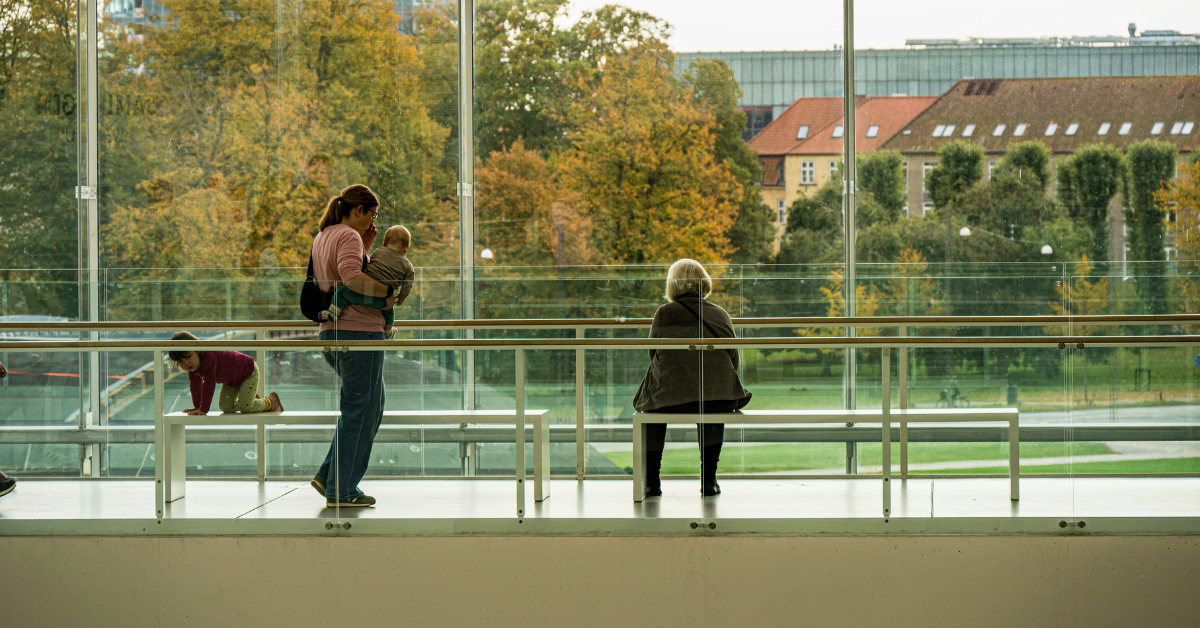
Photo by Julia Taubitz on Unsplash
01) Choose a City Based on the Experience You Want
The best city for your getaway isn't necessarily the destination everyone else seems to be visiting. Start with what you actually want from the trip. Are you an art lover who could happily spend an afternoon wandering through galleries and museums? Are you planning the entire trip around food? Do you love historic neighborhoods, nightlife, architecture, shopping, parks, or simply finding a café and watching the city move around you?
Once you know the kind of experience you're craving, choosing a destination becomes much easier. You should also think about the pace you want. A large city can give you endless things to see and do, but that doesn't necessarily make it the best choice for every trip. Sometimes a smaller or more walkable city gives you enough variety without making you feel like you've only scratched the surface.
Consider practical questions too:
How many days do you actually have?
How long will it take to reach the destination?
What does accommodation typically cost?
Is the city easy to navigate without a car?
What will the weather be like?
Are the attractions you're most interested in relatively close together?
Are there major events happening during your dates that could affect prices or crowds?
For a short getaway, travel time matters more than you might think. If you only have three or four days available, spending a large portion of the trip traveling may not be worth it. A destination that's closer to home could give you considerably more time to actually explore. Don't overlook cities you've always thought were "close enough to visit anytime," either. Sometimes the easiest getaway is one you've been postponing simply because it doesn't feel far enough away to count as a vacation.
02) Choose Your Accommodation Based on Location, Not Just the Room
When you're planning a city getaway, where you stay can greatly affect how the trip feels. A beautiful hotel isn't quite as convenient if you have to spend an hour traveling back and forth every time you want to visit the neighborhoods on your itinerary. Before booking, pull up a map. Mark several of the restaurants, attractions, neighborhoods, shops, or experiences you're most interested in. Then look for accommodations that make those places relatively easy to reach.
Staying somewhere central can be especially helpful on a short trip because it gives you more opportunities to walk and makes spontaneous changes much easier. A centrally located option like the NoMad hotel, for example, can put you in an area where you can begin exploring as soon as you step outside instead of treating transportation as the first activity of every day.
Location can also make midday breaks more realistic. If your hotel is relatively close to where you're exploring, you can drop off shopping bags, change before dinner, take a quick rest, or grab something you forgot without losing much of the afternoon. That doesn't mean you automatically need to stay in the busiest part of the city. A residential neighborhood can offer quieter evenings, neighborhood cafés, local restaurants, and a completely different perspective from a major tourist district.
If you're considering somewhere farther from the center, check transportation options before booking. Check how easily you can reach the places you want to visit and whether you'll still be comfortable making that journey at the end of a long day. Your ideal location should ultimately match how you plan to spend the trip.
03) Pack for the City You Are Actually Exploring
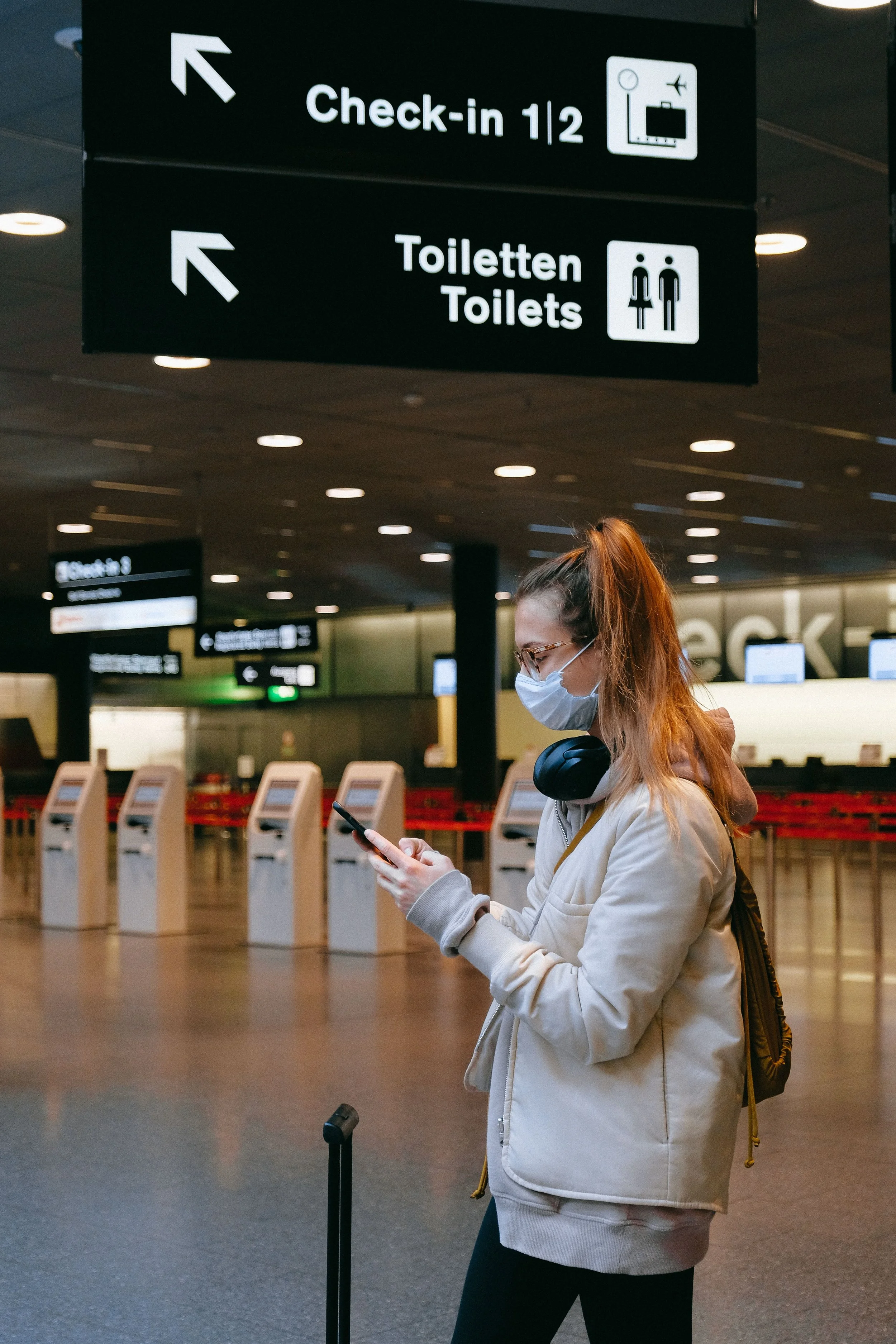
A short trip shouldn't require an enormous suitcase. City breaks usually involve moving through airports or train stations, walking several blocks with luggage, navigating stairs, and fitting everything into a smaller hotel room. The less unnecessary stuff you carry, the easier it all becomes.
Start by checking the weather forecast and thinking through your actual itinerary. Then build your clothes around pieces that work together. Instead of packing a separate outfit for every possible activity, choose a simple color palette and bring clothing you can easily remix.
To master the art of packing, focus on versatile pieces and layers rather than preparing for every unlikely scenario. A simple city-break packing list might include:
Three to four tops
Two versatile bottoms
One dress or slightly dressier outfit
One or two layering pieces
A jacket appropriate for the weather
Comfortable everyday shoes
A second pair of shoes if needed
A compact crossbody or day bag
A portable phone charger
A reusable water bottle
Essential toiletries and medications
Most importantly, bring shoes you've already worn. A city getaway is not the ideal time to discover that your beautiful new shoes start hurting after fifteen minutes. You're likely to walk much more than you normally do, so comfort should take priority.
Packing cubes can also make a small suitcase easier to organize, particularly if you're moving between multiple accommodations or sharing luggage space. And leave a little extra room. If you're the type of traveler who loves browsing local boutiques, markets, bookstores, or souvenir shops, you may appreciate not having to sit on your suitcase just to close it on the way home.
More in Travel:




04) Plan Enough to Avoid Wasting Time, but Not Every Minute
The best city itineraries have structure without feeling rigid. Before your trip, identify the handful of things you'd genuinely be disappointed to miss. Maybe that's a famous museum, a particular restaurant, a historic site, a neighborhood you've always wanted to explore, or one specific experience. Those become your priorities. Building a rough itinerary around them gives your days some direction while still leaving room for unexpected discoveries.
One of the easiest ways to organize a city itinerary is by neighborhood. Instead of traveling back and forth across town several times a day, group nearby attractions together. For example, you could spend the morning visiting a museum, have lunch somewhere within walking distance, explore nearby shops or streets in the afternoon, and stay in the same general area for dinner. That reduces transportation time and gives you more opportunities to notice the smaller things between destinations.
Research reservations beforehand too. If there's something you'd be genuinely upset to miss, don't assume you'll be able to walk in whenever you arrive. Check whether timed tickets or reservations are recommended or required. Then deliberately leave some space open. You might discover a shop you want to explore, stumble across a market, find a restaurant that looks better than the one you saved online, or decide you need an hour to sit somewhere with a coffee.
Those unplanned moments are often what make a trip feel personal. You don't need to see everything. You need enough time to enjoy the things you actually choose to see.
05) Let Food Become Part of the Experience
One of the best ways to experience a city is through what you eat there. Instead of treating meals as something you squeeze between attractions, make a few of them part of the itinerary. Before your trip, save several restaurants, cafés, bakeries, food markets, or local specialties you'd like to try.
You don't have to reserve every meal. In fact, having a mix of planned and spontaneous dining usually gives you more flexibility. Maybe you book one restaurant you've been especially excited about, save a few casual options near the neighborhoods you'll be exploring, and leave the rest open.
Try foods associated with the destination when you can. That might mean visiting a food market, trying a neighborhood bakery, ordering a regional dish, stopping somewhere for street food, or simply asking what a restaurant is known for. Look beyond the streets directly surrounding the biggest tourist attractions too. A short walk into another neighborhood can sometimes lead you to smaller cafés and restaurants you wouldn't have discovered if you stayed entirely within the main sightseeing areas.
It can also be helpful to save restaurants on a map before leaving home. Then, when you're hungry after spending several hours exploring, you're choosing between a few places you already researched instead of standing on the sidewalk desperately searching for somewhere nearby.
And don't underestimate simple meals. Not every dining experience needs to be a reservation at a famous restaurant. Sometimes grabbing pastries in the morning, eating lunch in a park, or accidentally finding an incredible little restaurant while wandering through a neighborhood becomes one of your favorite memories from the entire trip.
Takeaway
A memorable city getaway isn't measured by how many attractions you manage to squeeze into a few days. It's about giving yourself enough structure to use your time well while leaving enough freedom to experience the city around you. Choose a destination that matches the kind of trip you want, not simply the one everyone else is visiting. Stay somewhere that makes exploring convenient, pack for the amount of walking you'll realistically do, and organize your must-see experiences without filling every hour of your itinerary.
Then permit yourself to wander. Take the scenic street instead of the fastest route. Stay longer at the café you love. Skip something on your list because you discovered somewhere more interesting. Spend an afternoon exploring one neighborhood instead of crossing the city five times trying to see everything. The best city breaks often feel like you've seen enough to fall in love with a place while still having a reason to come back.
If you could book a city getaway for this weekend, which city would you choose first?









Learn how to stay comfortable while enjoying outdoor recreation with practical tips for choosing the right gear, staying hydrated, pacing yourself, and planning a comfortable place to rest. A little preparation can help you spend less time dealing with discomfort and more time enjoying your outdoor adventures.