
5 Ways Spending Time Outdoors Can Support Your Wellness
Sometimes, simply stepping outside can change the way your day feels. When so much of everyday life involves screens, notifications, work, and constantly moving from one responsibility to the next, spending time outdoors can offer a welcome change of pace.
Nature can become a powerful antidote to stress, but incorporating outdoor time into your wellness routine doesn't have to mean planning an ambitious hiking trip every weekend. A walk through your neighborhood, lunch in a local park, an afternoon beside the water, or a weekend camping trip can all give you opportunities to slow down and reconnect with your surroundings.
The goal isn't to turn being outdoors into another wellness task you have to complete perfectly. It's about finding realistic ways to spend more time away from your usual environment while moving, resting, exploring, or simply enjoying a quieter moment.
RELATED ARTICLE: How to Manage Stress Naturally and Boost Your Energy
How to Make Nature Part of Your Wellness Routine
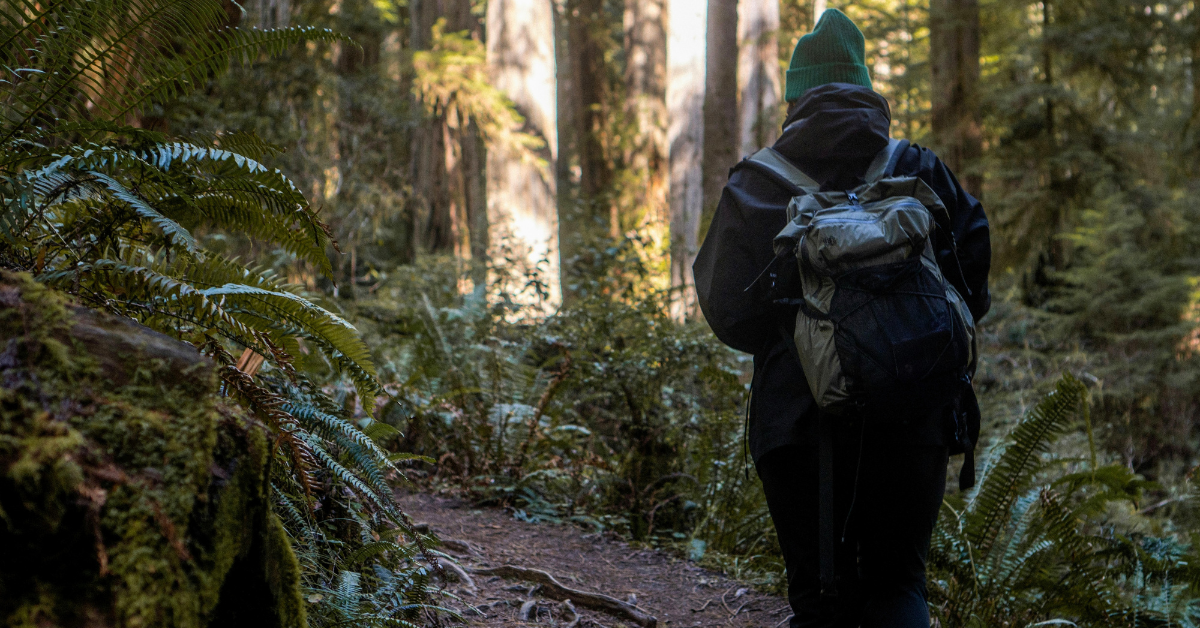
Photo by Chaewool Kim on Unsplash
01) Spend More Time in Green Spaces
There's something noticeably different about stepping away from busy streets, screens, and indoor spaces and spending time surrounded by trees, grass, water, or other natural scenery. Research continues to explore the relationship between time in nature and physical and emotional well-being, and the healing benefits of the outdoors are one reason practices such as forest bathing have gained attention.
However, you don't need access to a remote forest to make outdoor time part of your routine. Visit a local park, sit outside with your morning coffee, walk a tree-lined trail, eat lunch outdoors, or spend a little time gardening. Even relatively short periods outside can give you a chance to step away from your usual surroundings and focus on what's happening around you. Try approaching the experience without turning it into another productivity goal. You don't need to track your distance, reach a particular step count, or accomplish anything. Sometimes, simply being outside is enough.
02) Turn Your Walk or Hike Into a Mindful Moment
Walking and hiking allow you to move your body while also paying more attention to your environment. Instead of focusing entirely on how quickly you're moving or how far you've traveled, occasionally slow down and notice what's around you. Listen to birds, wind, water, or leaves moving through the trees. Pay attention to the temperature, the ground beneath your feet, and the scenery as it changes as you walk.
Exploring nature for mental health can also be an opportunity to temporarily shift your attention away from the constant stream of emails, notifications, errands, and other things competing for your focus. You can still challenge yourself with longer or more difficult hikes if that's something you enjoy. The point is simply to remember that outdoor movement doesn't always need to become a workout. Some days, a slow walk through the park might be exactly what you need.
03) Prepare for a More Relaxing Outdoor Escape
Spending time outdoors can be restorative, but realizing halfway through a camping trip that you've forgotten an essential item is considerably less relaxing. A little preparation can help you spend more time enjoying the experience and less time solving preventable problems. Start by researching your destination. Check the expected weather, available facilities, trail conditions, campground rules, and anything else that might affect your plans. Then create a packing list based on the specific activities you'll be doing.
A digital camping supplies planner can help you track gear and reduce the chance of forgetting something important. Your list might include shelter, weather-appropriate clothing, food, water, first-aid supplies, lighting, navigation tools, chargers or backup batteries, and any activity-specific equipment you need. Preparing doesn't mean eliminating spontaneity. It simply gives you a stronger foundation so unexpected changes are easier to handle once you're outside.
More in Wellness:




04) Pack Food That Keeps You Fueled
Outdoor adventures can require more energy than your typical day, especially when you're walking, hiking, swimming, or spending hours exploring. Planning your food ahead of time can help you avoid relying entirely on whatever is available nearby. The best options will depend on your trip length, available storage, dietary preferences, and whether you'll have access to cooking equipment.
A few ideas include:
For day hikes: Pack convenient foods such as nuts, dried fruit, fruit, sandwiches, wraps, or granola bars that are easy to carry and eat along the way.
For camping: Choose meals that don't require much cookware or complicated prep. Chili, pasta, soups, rice dishes, and other one-pot meals can keep cleanup manageable.
Prep ahead: Wash and chop ingredients at home when appropriate so there's less work to do at your campsite.
Stay hydrated: Bring enough drinking water for your plans and know in advance whether reliable drinking water will be available at your destination.
You don't need to create a perfectly balanced camping menu. Focus on bringing foods you enjoy that are practical for the environment and provide enough fuel for whatever you've planned.
05) Use Outdoor Time as a Chance to Unplug
One of the nicest things about being outdoors is having a reason to disconnect from your usual digital routine temporarily. Your phone can still be an important tool for navigation, emergency communication, weather updates, and photographs, so a complete digital detox isn't always realistic or necessary. Instead, look for intentional periods when you don't need to be checking it.
Put your phone away while sitting around the campfire. Leave notifications off during a hike. Eat breakfast outside without scrolling through social media. Spend an evening talking, reading, journaling, or watching the sunset instead of catching up on emails.
You might also find that spending more time outdoors naturally changes your day's rhythm. Without the same indoor distractions, mornings can feel slower and evenings quieter. The goal isn't to prove that you can live without technology. It's simply to give your attention a break and allow yourself to be fully present where you are.
Takeaway
Supporting your wellness through outdoor time doesn't require climbing mountains, buying expensive camping equipment, or disappearing into the wilderness every weekend.
Start with what is realistic for your life. Take your morning coffee outside, walk through a nearby park, plan a picnic, try a beginner-friendly trail, or spend a weekend camping somewhere you've always wanted to explore.
What matters is finding ways to step away from your normal environment, move at a pace that feels good, and give yourself opportunities to notice what's happening beyond your screen.
Nature doesn't need to become another item on your wellness checklist. It is a place where you go to move, explore, slow down, and reconnect with the world around you.
What's your favorite way to spend time outdoors when you need to reset?






Learn how newer approaches to appetite and weight management are changing the conversation around hunger, metabolism, GLP-1 medications, and the brain-gut connection. Understanding the science, benefits, limitations, and safety considerations can help you have a more informed conversation with your healthcare provider about your options.