
5 Simple Ways to Add More Plant-Based Foods to Your Diet
sharing is caring :)
Disclaimer: Je’Ana C. curates the Shades of Tatiana product selections. We only recommend products we genuinely love. If you buy something through our affiliate links, we may earn a small commission at no cost to you.
Wellness isn't built around one perfect meal, workout, or morning routine. It's shaped by the small choices you make consistently, from how you sleep and manage stress to the foods that help you feel satisfied and energized throughout the day.
Adding more plant-based foods is one simple way to add variety to your meals. Fruits, vegetables, beans, lentils, whole grains, nuts, and seeds can provide fiber and a wide range of nutrients without requiring you to completely change how you eat.
You don't have to become vegan, replace every food in your kitchen, or follow a strict set of rules to experiment with plant-focused eating. Instead, think about where you can add more variety and which plant foods you genuinely enjoy enough to eat regularly.
RELATED ARTICLE: The 5 Biggest Mistakes That Impact Your Health and Wellbeing
How to Add More Plant Protein to Your Wellness Routine
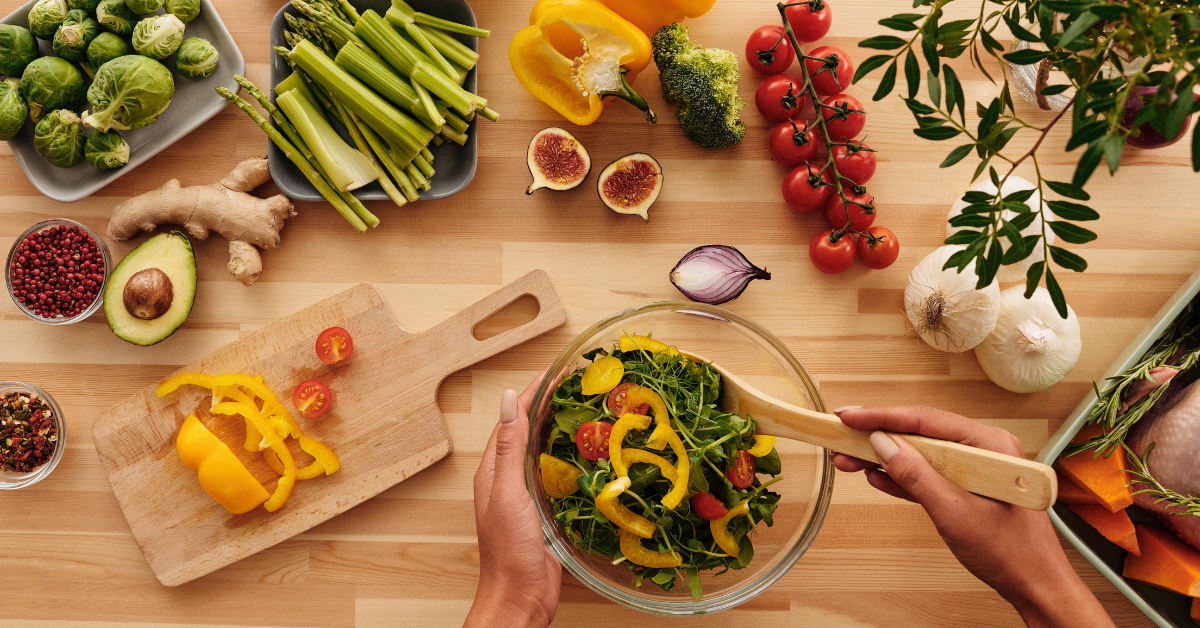
Photo by Vanessa Loring
01) Look at Wellness as a Bigger Picture
Wellness involves much more than what you eat. Sleep, movement, stress, relationships, environment, and everyday routines can all influence how you feel. That's why it can help to view your habits as interconnected rather than searching for one food or wellness practice that will somehow fix everything.
For example, if you're regularly tired, consider a few things. Are you getting enough sleep? Are your days especially stressful? Are you eating regular meals? Are you drinking enough water? Are you giving yourself enough time to rest?
Nutrition is one piece of that larger picture. Choosing a varied diet that includes foods you enjoy can help provide your body with the nutrients it needs while still leaving room for flexibility. Instead of aiming for a flawless wellness routine, focus on building habits you can realistically maintain.
02) Add More Plant Foods Without Making It All or Nothing
Plant-based eating doesn't have to mean eliminating every animal product from your diet. For some people, plant-based describes a completely vegan diet. For others, it simply means making fruits, vegetables, beans, whole grains, nuts, seeds, and other plant foods a bigger part of their meals. That flexibility can make the approach much easier to maintain.
You could start with one meatless dinner each week, use beans in a meal you normally make with meat, add fruit to breakfast, blend vegetables into a smoothie, or experiment with a plant-based milk you enjoy. Try thinking about what you can add rather than immediately focusing on what you need to remove. A bowl of pasta might get spinach and white beans added. A salad might become more filling with chickpeas, quinoa, or tofu. Oatmeal could include fruit, nuts, and seeds. Small additions can gradually expand the variety in your diet without making every meal feel like a completely new project.
03) Explore Different Sources of Plant Protein
Protein plays several important roles in the body, including supporting tissue maintenance and repair. Fortunately, there are plenty of ways to include protein when you're eating more plant-based foods.
Common options include:
Lentils
Chickpeas
Black beans and other legumes
Tofu and tempeh
Edamame
Nuts and seeds
Nut and seed butters
Quinoa
Certain whole grains
You don't necessarily need a protein supplement if you're already meeting your nutritional needs through food. However, convenience matters too. If you prefer smoothies, need an easy post-workout option, or struggle to fit enough protein into meals, a vegan protein powder can be an option.
If you use protein powder, check the ingredient list, serving size, and nutrition information rather than assuming every plant-based product is nutritionally identical. The best protein source is ultimately one that works with your dietary needs, tastes good to you, and fits naturally into the way you already eat.
More in Wellness:




04) Give Your Gut a Variety of Plant Foods
Your digestive system contains a large community of microorganisms known as the gut microbiome. Researchers continue to study how these microorganisms interact with digestion, metabolism, the immune system, and other aspects of health. Diet is one of many factors that can influence this environment. Fiber-rich foods such as fruits, vegetables, legumes, nuts, seeds, and whole grains can be particularly useful additions to a varied diet.
Learning more about a healthy gut microbiome can also help explain why dietary variety often matters more than relying heavily on one supposedly "perfect" food. Instead of eating the same vegetables every week, experiment with different colors and types of produce. Rotate between beans and lentils. Try unfamiliar grains, fruits, herbs, nuts, or seeds.
If you're significantly increasing your fiber intake, do so gradually and drink enough fluids. A sudden increase may cause digestive discomfort for some people. You don't need to count every different plant you eat. Aim for variety when it's practical, and pay attention to how different foods make you feel.
05) Make Plant Protein Easy to Use Every Day
Adding more plant protein sources doesn't require learning an entirely new collection of recipes. Start with meals you're already making and look for simple additions or substitutions.
A few ideas include:
Boost your breakfast: Add nuts, seeds, nut butter, soy-based foods, or plant protein powder to oatmeal or smoothies.
Make salads more filling: Add chickpeas, lentils, beans, tofu, edamame, nuts, or seeds instead of relying only on vegetables.
Keep easy snacks around: Nuts, roasted chickpeas, edamame, nut butter, or other convenient foods can make between-meal options easier.
Upgrade soups and stews: Beans and lentils work well in many soups, curries, chili recipes, and one-pot meals.
Try a plant-focused dinner: Tacos with black beans, lentil pasta, tofu stir-fry, or chickpea curry can introduce new protein sources without requiring complicated cooking.
Keep convenience in mind too. Canned beans, frozen vegetables, microwaveable grains, pre-washed greens, and other shortcuts can still fit into a nutritious routine. Making balanced food choices doesn't have to require cooking everything from scratch. Finding realistic habits you can repeat is often much more valuable, and adding nourishing foods to your routine can be one of the best healthy things you do for yourself.
Takeaway
Adding more plant-based foods to your wellness routine doesn't have to involve following a strict diet or completely changing what you eat. Start with foods you already enjoy. Add beans to a familiar meal, keep nuts or seeds available for snacks, experiment with tofu or lentils, or add another serving of fruit or vegetables.
Over time, those small choices can help create a more varied and nourishing way of eating without turning food into another area where you feel pressured to be perfect. Most importantly, build your routine around your individual needs. No single eating pattern works equally well for everyone, and plant-based foods can be another useful part of a balanced approach to wellness.
What's your favorite plant-based food or ingredient to add to everyday meals?






Learn how to process difficult emotions with practical strategies for identifying what you feel, calming intense reactions, practicing acceptance, recognizing trauma responses, and knowing when to seek additional support. Emotional healing takes time, but small, intentional steps can help you respond to challenging feelings with greater clarity and care.