
How to Improve Hair Health: From Daily Care to Non-Surgical Solutions
sharing is caring :)
Disclaimer: Je’Ana C. curates the Shades of Tatiana product selections. We only recommend products we genuinely love. If you buy something through our affiliate links, we may earn a small commission at no cost to you.
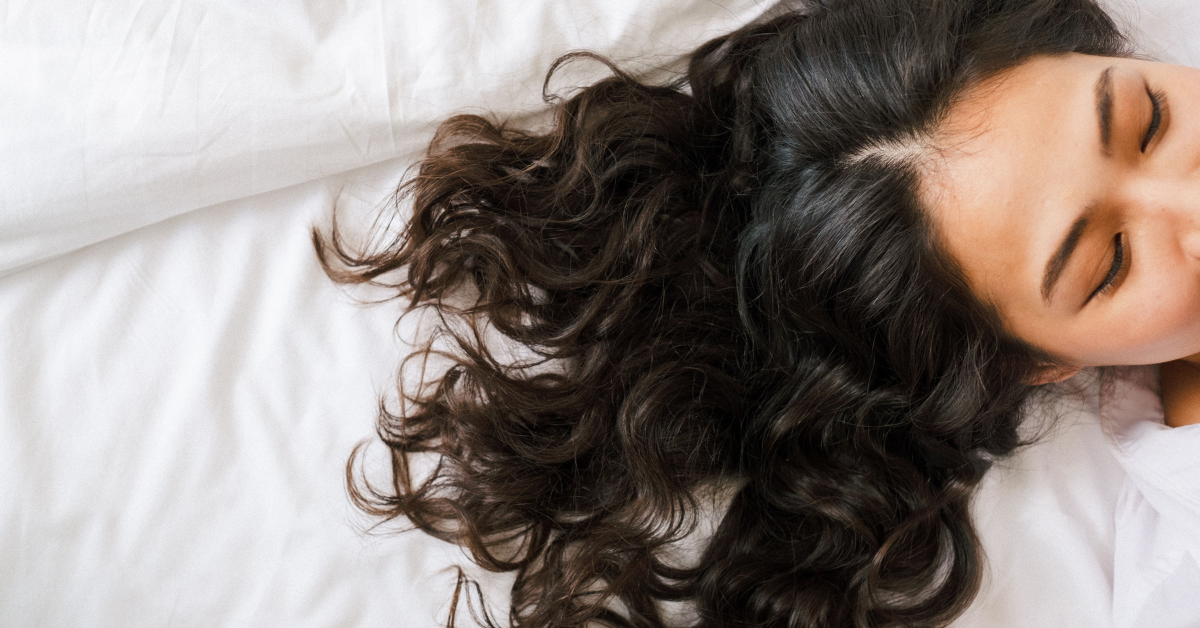
Photo By Pexels
Healthy, beautiful hair doesn't happen by accident. Whether your goal is to maintain strong, shiny strands, reduce breakage, or address thinning hair, achieving healthy locks requires a combination of the right products, consistent habits, and targeted solutions.
Hair is often considered one of our most defining features, influencing both our appearance and confidence. Yet with daily exposure to heat styling, environmental stressors, and product buildup, keeping hair in its best condition can sometimes feel like a challenge.
Fortunately, there are many ways to support healthy hair growth and improve your hair's overall condition. From selecting products tailored to your hair type to exploring innovative non-surgical solutions, here are some practical tips to help you achieve healthier, stronger hair.
RELATED ARTICLE: Top 14 Common Hair Care Habits That Could Actually Damage Your Hair
Essential Hair Care Tips for Healthier, Stronger Hair
01) Choosing the Right Products for Your Hair Type
A successful hair care routine begins with understanding your unique hair type and its specific needs. Straight, wavy, curly, and coily hair textures all require different levels of moisture, nourishment, and styling support.
Shampoos and conditioners formulated specifically for your hair type create the foundation for healthy hair. For example, oily hair often benefits from lightweight, clarifying shampoos that remove excess buildup without over-drying the scalp. On the other hand, dry or damaged hair typically responds best to deeply hydrating conditioners enriched with ingredients such as argan oil, coconut oil, or shea butter.
Leave-in treatments can also make a significant difference. Heat protectants help minimize damage from styling tools, while nourishing serums and oils can reduce frizz, add shine, and improve manageability.
When shopping for products, pay close attention to ingredient lists. Limiting products that contain harsh sulfates and parabens can help preserve your hair's natural moisture balance and support a healthier scalp environment. Investing in high-quality products designed for your specific hair concerns can significantly improve long-term results.
02) Nail Down the Basics of Hair Maintenance
Even the best products can only do so much if daily hair care habits aren't supporting your overall hair health. One of the most important steps is reducing excessive heat exposure. Frequent use of straighteners, curling irons, and blow dryers can weaken the hair shaft over time, leading to dryness and breakage. Whenever possible, allow your hair to air dry and reserve heat styling for special occasions. When heat is necessary, always apply a protective spray beforehand.
The way you handle your hair matters as well. Wet hair is particularly vulnerable to damage, so using wide-tooth combs instead of a harsh brush can help prevent unnecessary breakage. Gentle detangling, starting from the ends and working upward, can also minimize stress on the hair.
Your scalp deserves attention too. Regular scalp exfoliation can help remove product buildup, excess oil, and dead skin cells, creating a healthier environment for hair growth. Additionally, gentle scalp massages during shampooing may help improve circulation and support stronger, healthier-looking hair over time.
03) The Wonders of Non-Surgical Hair Replacement
For individuals experiencing hair thinning or hair loss, modern advancements offer effective solutions that don't require surgery.
Today, non surgical hair replacement provides a variety of options designed to restore confidence and create a natural-looking appearance. Custom hair systems are among the most popular choices, offering personalized solutions that blend seamlessly with existing hair. These systems are designed for comfort, durability, and a realistic appearance, allowing users to enjoy everyday activities with confidence.
Another increasingly popular option is scalp micropigmentation. This treatment uses specialized pigments to create the appearance of fuller hair density by replicating hair follicles and filling in sparse areas. It can be an excellent low-maintenance solution for those seeking the look of a fuller hairline without ongoing styling concerns. These innovative treatments allow individuals to address hair loss concerns while avoiding the recovery time and potential risks associated with surgical procedures.
04) Pamper Your Hair with Professional Treatments
Sometimes your hair needs a little extra care beyond what at-home routines can provide.
Professional salon treatments can help restore moisture, repair damage, and improve the overall appearance of your hair. Deep-conditioning treatments, protein therapies, scalp treatments, and glossing services can all help revitalize dull, dry, or stressed hair.
Regular trims are equally important. While trimming doesn't directly affect hair growth, it helps eliminate split ends and prevents further damage from traveling up the hair shaft.
Consulting with a trusted stylist can help you determine which treatments are best suited to your hair type, concerns, and goals. A personalized approach often delivers the best results and helps maintain healthier hair between appointments.
05) Diet and Lifestyle for Healthy Hair
Healthy hair starts from within. What you eat can directly affect the strength, growth, and appearance of your hair. Specifically, foods rich in biotin, omega-3 fatty acids, and vitamins A, C, and E all play important roles in supporting healthy hair growth. Foods such as salmon, eggs, nuts, seeds, leafy greens, and avocados provide essential nutrients that nourish hair follicles and support overall scalp health.
Hydration is equally important. Drinking enough water helps support your body's natural functions, including delivering nutrients to the scalp and maintaining moisture balance throughout the hair.
Managing stress, getting enough sleep, and maintaining a balanced lifestyle can also contribute to healthier hair. Chronic stress can impact hair growth cycles, making self-care an important part of any hair wellness routine.
Takeaway
Hair care is an ongoing commitment, but the results are worth the effort. By combining the right products, healthy daily habits, proper nutrition, professional treatments, and advanced solutions such as non-surgical hair replacement systems, you can create a routine that supports stronger, healthier, and more beautiful hair.
Whether you're looking to reduce frizz, repair damage, maintain your natural texture, or address thinning hair, consistency is key. Small improvements made every day can lead to noticeable results over time.
After all, your hair is a major part of your overall appearance and confidence, so it deserves the same level of care and attention as the rest of your wellness routine.
What is the best hair care tip or product that has made a noticeable difference in your hair health? Share your experience in the comments below!
DON’T FORGET TO SHARE :)




Learn how to build a simple skincare routine focused on cleansing, moisturizing, sun protection, and targeted treatments when you actually need them. A minimalist approach can make it easier to support your skin barrier, avoid unnecessary irritation, and keep your skin healthy and hydrated without filling your bathroom with products.