
How to Support Glowing Skin From the Inside Out
sharing is caring :)
Disclaimer: Je’Ana C. curates the Shades of Tatiana product selections. We only recommend products we genuinely love. If you buy something through our affiliate links, we may earn a small commission at no cost to you.
Healthy-looking skin doesn't come from one serum, supplement, or perfectly planned meal. Your complexion reflects a combination of genetics, skincare, sun exposure, environment, age, hormones, and everyday habits.
A consistent topical routine still matters, especially when it comes to protecting your skin barrier and wearing sunscreen. But what happens outside the bathroom mirror can matter too. Sleep, nutrition, hydration, stress, and overall health can all influence how your skin looks and feels.
Supporting your skin from within doesn't require a complicated "detox" or an expensive collection of wellness products. Start with habits that support your whole body, then give your skin time to respond.
RELATED ARTICLE: 9 Best Ranked Korean Skincare Products For Brightening And Hyperpigmentation
6 Ways to Support Healthy, Glowing Skin From Within

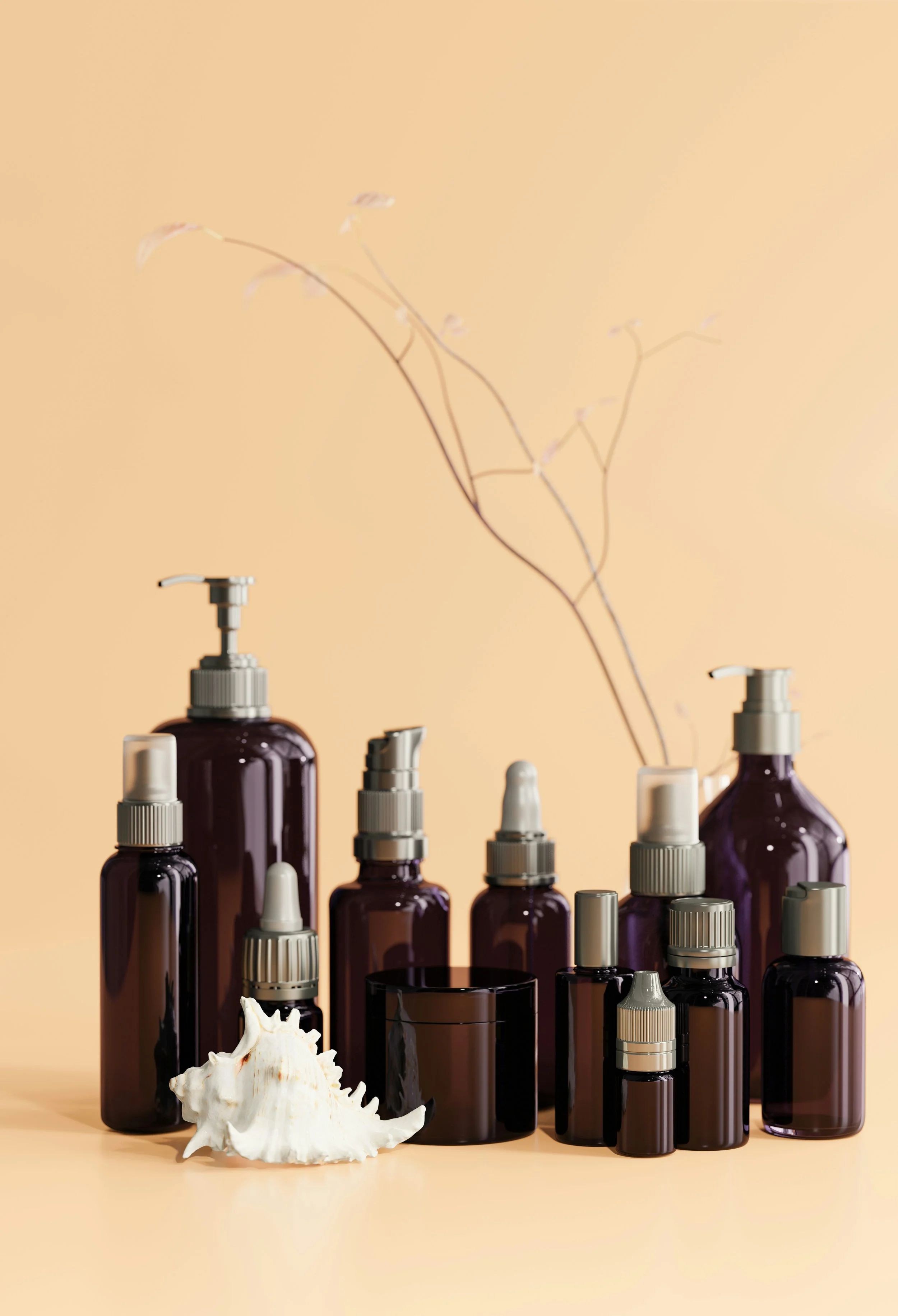
Photo by CRYSTALWEED cannabis on Unsplash
01) Look Beyond Topical Skincare Alone
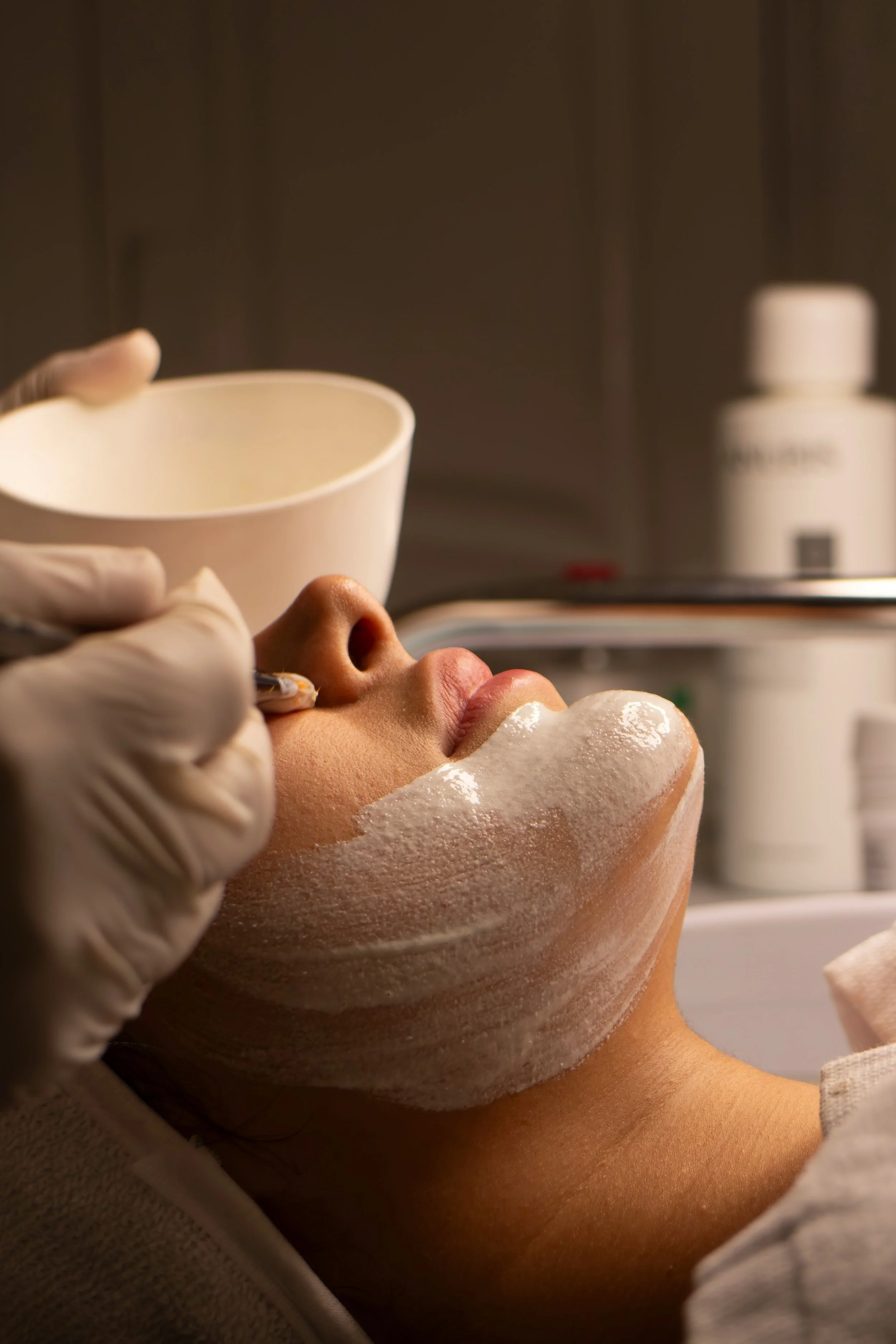
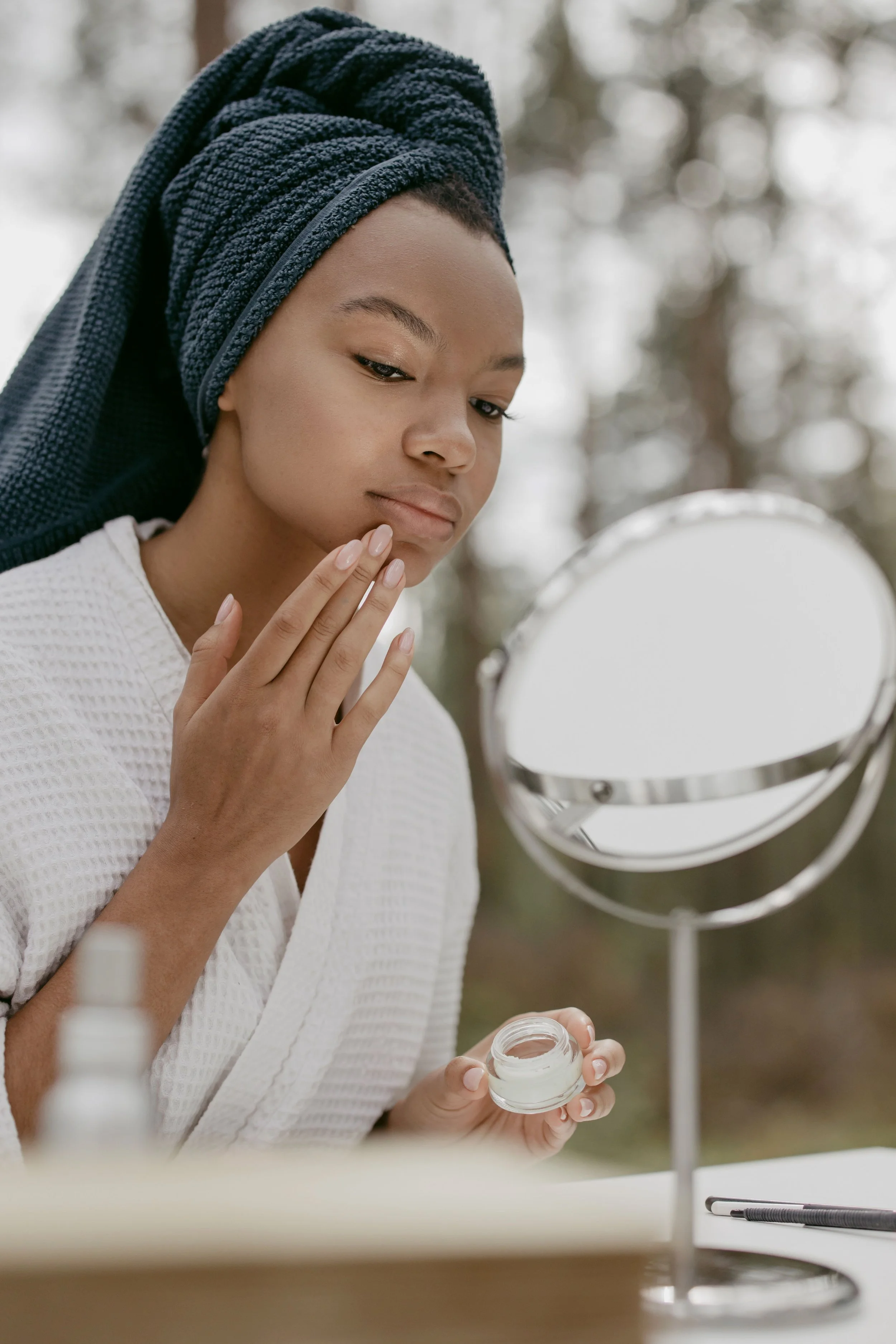
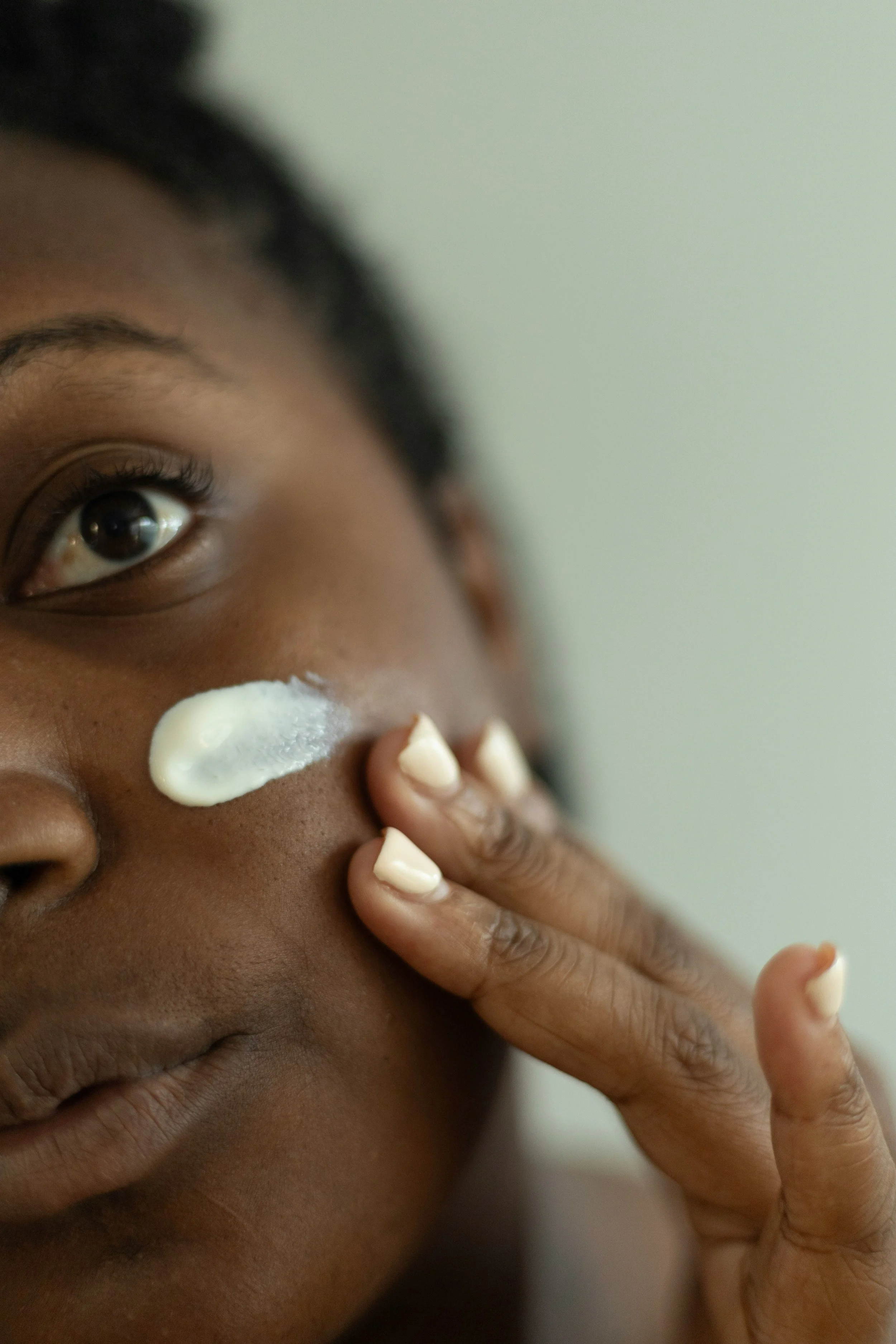
Skincare products can do plenty of important work. Cleansers remove buildup, moisturizers support the skin barrier, sunscreen protects against ultraviolet radiation, and targeted ingredients can help address concerns such as acne, dryness, or uneven pigmentation. If you're building your routine from the outside first, these skincare tips for a healthy complexion.
But skin doesn't exist separately from the rest of your body. Sleep, stress, hormonal changes, medications, medical conditions, nutrition, and other internal factors may influence your complexion. Stress hormones, for example, are part of a much larger physiological stress response that can affect different systems throughout the body. That doesn't mean every breakout or patch of dry skin is caused by stress, dehydration, or something you ate.
Skin concerns often have multiple possible causes. If you're experiencing persistent acne, rashes, irritation, sudden changes, or another problem that isn't improving, a dermatologist or other qualified healthcare professional can help you figure out what's really going on. And when you make lifestyle changes, give them time. Skin changes gradually, so one especially healthy dinner or one perfect night of sleep is unlikely to transform your complexion overnight.
02) Build Meals Around Variety, Not "Perfect Skin" Foods
No single food guarantees glowing skin. A more useful approach is eating a varied diet that provides the nutrients your entire body needs. Vitamin C, for example, contributes to normal collagen formation, while protein supplies amino acids the body uses for tissue maintenance and repair. Dietary fats also play important roles throughout the body.
Rather than trying to create a special "skin diet," incorporate a variety of foods you enjoy. That might include:
Berries and citrus fruits
Bell peppers and leafy greens
Beans and lentils
Eggs
Fish
Nuts and seeds
Whole grains
Yogurt or other foods that fit your dietary needs
One easy strategy is simply adding something colorful to meals you already eat. Add berries to oatmeal, sliced peppers to lunch, or a vegetable you enjoy alongside dinner.
Supplements deserve a little more caution. Products such as Verdant Organic may be marketed for purposes such as lymphatic support, puffiness, or general wellness, but marketing claims don't automatically mean a supplement has been proven to improve skin or treat swelling.
"Natural" also doesn't automatically mean risk-free. Check ingredients carefully, and speak with a qualified healthcare professional or pharmacist before taking a supplement if you use medications, have a medical condition, are pregnant, or have questions about possible interactions. Have a healthcare professional evaluate persistent or unexplained swelling rather than treating it only with a supplement.
03) Stay Hydrated Without Obsessing Over Water
Hydration supports normal body functions, but drinking huge amounts of water isn't a shortcut to flawless skin. If you're already adequately hydrated, forcing yourself to drink much more water likely won't erase fine lines, replace moisturizer, or suddenly make your complexion glow.
Instead, drink regularly throughout the day and pay attention to your own needs. Fluid requirements can vary depending on:
Activity level
Temperature and humidity
Diet
Pregnancy or breastfeeding
Illness
Medications
Individual health conditions
A reusable bottle can help if you often forget to drink, but you don't need to turn hydration into another metric you constantly monitor. Urine color can sometimes provide a rough clue about hydration, although it's not a perfect measurement. Certain foods, medications, vitamins, and health conditions can also change its color. Food contributes fluid too. Fruits, vegetables, soups, yogurt, and other water-containing foods all count toward overall intake.
If you're exercising intensely or sweating heavily for an extended period, fluids and electrolytes may both become relevant. Learning how electrolytes support fluid balance can help you understand why hydration involves more than water alone. For ordinary daily activities, however, most people don't need to automatically add electrolyte products to every drink.
More in Beauty:

04) Handle Facial Puffiness Gently
Waking up with a slightly puffy face doesn't automatically mean something is wrong. Temporary puffiness can happen for many reasons, including sleep position, a salty meal, allergies, hormonal changes, alcohol, crying, or normal overnight fluid shifts. For mild morning puffiness, simple approaches may help you feel more comfortable. Try a cool compress for several minutes or gently massage your face with clean hands. If you frequently wake up puffy, sleeping with your head slightly elevated may also be worth trying.
Gentle is the important word. You don't need aggressive facial massage or intense pressure to "drain toxins." Your lymphatic system already performs important functions throughout the body without needing manual detoxing every morning.
Pay attention to patterns instead. If puffiness appears after certain meals, during allergy season, or after poor sleep, you may start recognizing what affects you. Persistent or unexplained swelling deserves a different approach. Sudden facial swelling, difficulty breathing, significant pain, swelling of the lips or tongue, or another severe reaction can require urgent medical attention.
05) Lifestyle Habits for a Healthy Glow
A good skincare routine is harder when you're consistently exhausted and stressed. Adults generally benefit from prioritizing sufficient, regular sleep, although individual needs can vary. Instead of focusing only on hitting one exact number every night, work toward a schedule that leaves you reasonably rested.
A few habits may help:
Keep your wake time relatively consistent.
Give yourself enough time to wind down before bed.
Keep your bedroom comfortable and dark.
Reduce stimulating screen use if it regularly delays sleep.
Avoid making bedtime another stressful wellness project.
Stress management matters for your overall well-being too. Regular movement can be one useful tool, whether that's a 20-minute walk, strength training, yoga, dancing, cycling, or another activity you actually enjoy. Other options might include journaling, hobbies, spending time outside, connecting with friends, setting boundaries, or simply creating more downtime.
You don't need to eliminate stress to have healthy skin. The idea is to support your overall health rather than treating every stressful day as something that will immediately show up on your face.
06) Protect Your Skin From the Outside Too
"Beauty from within" shouldn't distract from one of the most important things you can do for your skin externally: protect it from excessive sun exposure. Use a broad-spectrum sunscreen with SPF 30 or higher on exposed skin and reapply according to the product directions, particularly when you're outdoors for extended periods, swimming, or sweating.
You can also combine sunscreen with shade, hats, sunglasses, and protective clothing when appropriate. Then keep the rest of your routine realistic. For many people, a basic routine can include:
A gentle cleanser
A moisturizer appropriate for their skin
Broad-spectrum SPF 30+ during the day
Targeted treatments when needed
You can always add more products later, but more isn't automatically better. Overloading your routine with exfoliants, actives, and trending ingredients can sometimes create irritation instead of improving your skin. Your internal and external habits should work together rather than competing for attention.
Takeaway
Healthy-looking skin usually isn't the result of one dramatic change. It's the accumulation of small, consistent habits: eating a varied diet, staying reasonably hydrated, getting enough rest, managing stress in ways that work for you, protecting your skin from the sun, and maintaining a skincare routine your skin can tolerate.
You don't need to chase every supplement, wellness trend, or "glow from within" promise. Give your body the basics it needs, pay attention to changes, and remember that perfectly smooth, poreless skin isn't the standard for healthy skin. Texture, pores, occasional blemishes, and normal variation are all part of having real skin.
Which habit makes the biggest difference in how your skin looks and feels: sleep, hydration, nutrition, stress management, or your skincare routine?












Discover how everyday habits such as balanced nutrition, hydration, quality sleep, stress management, and consistent skincare can support healthy-looking skin. Learn how to care for your complexion from both the inside and outside without relying on quick fixes or complicated wellness routines.